



What's Happening?
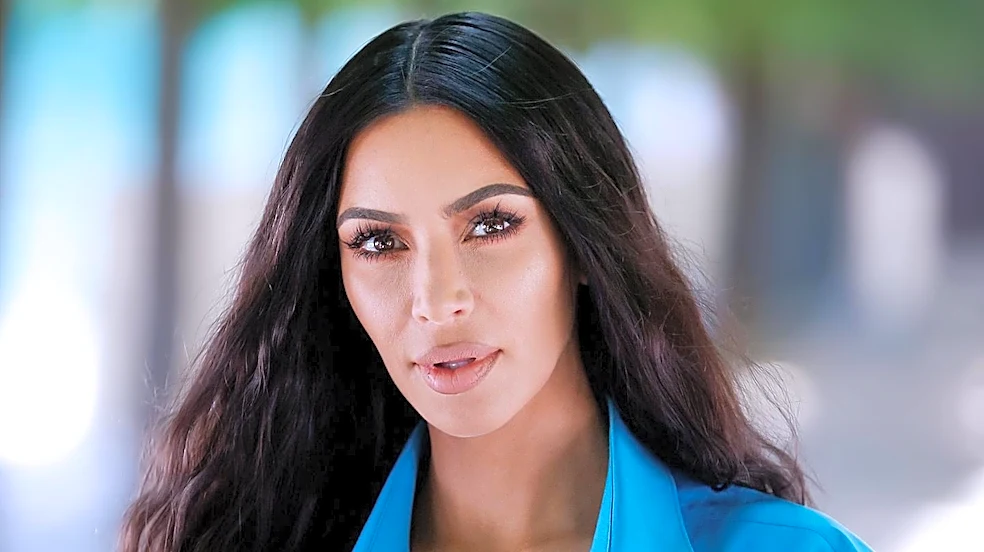
Kanye West declined to be interviewed for Kim Kardashian's upcoming authorized biography, "Citizen Kim: The Woman Who Created the Future," authored by Jonathan Van Meter. According to Van Meter, Kardashian initially indicated West would participate, but
as West's behavior became more troubling, including antisemitic rants, the author deemed it unethical to interview him during what he perceived as a mental health crisis. Van Meter stated that he did not require an extensive interview from West, who was described by others as potentially speaking for seven hours if contacted. Ray J also declined to be part of the project. The biography is scheduled for release on October 27.
Why It's Important?
This development highlights the ongoing public scrutiny surrounding Kanye West's recent conduct and its impact on his professional and personal associations. His refusal to participate in a biography about his former wife, coupled with the author's ethical considerations regarding his mental state and controversial statements, underscores the challenges faced by public figures and biographers when dealing with sensitive personal issues. The decision not to include West's perspective, despite his significant role in Kardashian's life, could influence the narrative presented in the book, potentially shaping public perception of both individuals. It also reflects a broader societal conversation about accountability and the ethical responsibilities of media professionals when covering individuals experiencing mental health challenges or engaging in controversial behavior.
What's Next?
The biography, "Citizen Kim: The Woman Who Created the Future," is set to be released on October 27. Its publication will likely draw attention to the narratives presented, particularly regarding Kim Kardashian's relationships and career, without direct input from Kanye West. Public and media reactions to the book's content, especially concerning the portrayal of West and the reasons for his exclusion, are anticipated. This situation may also reignite discussions about the intersection of celebrity, mental health, and public discourse, potentially influencing how future biographies and media projects approach similar sensitive subjects. The absence of West's voice in the biography could lead to further speculation or commentary on his past actions and current status.
Beyond the Headlines
The decision by Jonathan Van Meter not to interview Kanye West due to his "troubling behavior" and "antisemitic rants" raises significant ethical questions for biographers and journalists. It underscores the dilemma of balancing comprehensive storytelling with the responsibility to avoid exploiting or legitimizing problematic conduct, especially when mental health concerns are present. This situation reflects a growing awareness in media of the potential impact of platforming individuals whose statements are deemed harmful or indicative of a crisis. It also highlights the complex nature of documenting the lives of public figures, where personal struggles and controversial actions often intersect with their public image and professional relationships. The author's choice could set a precedent for how future biographical works navigate similar ethical quandaries, emphasizing a shift towards more responsible and sensitive reporting practices.