

What's Happening?
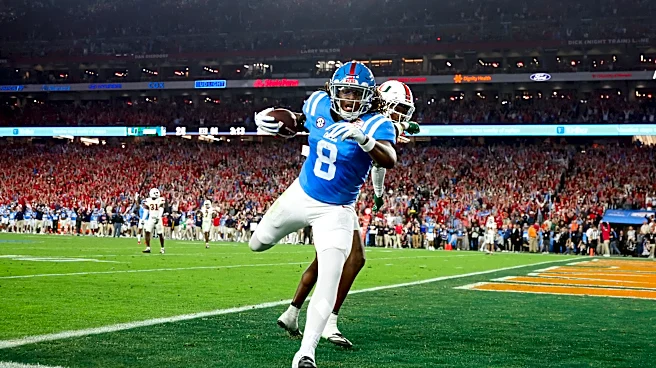
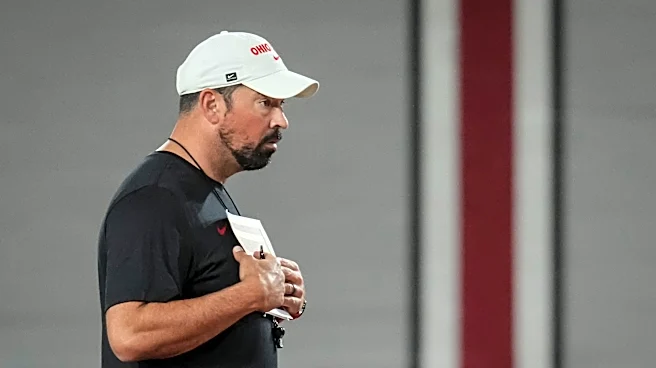
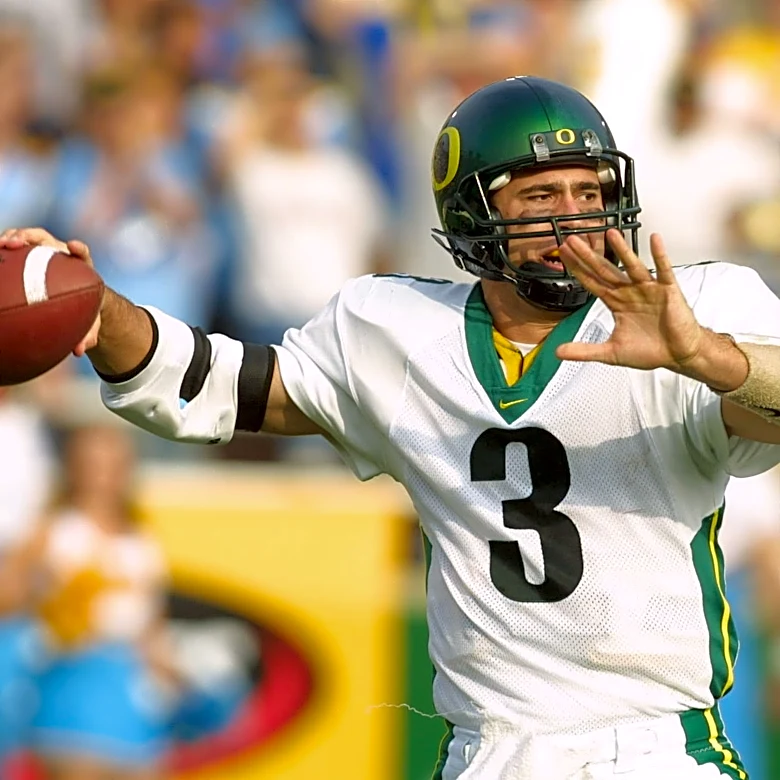
Oregon football coach Dan Lanning has voiced strong disapproval regarding the recent trend of NFL players returning to college football. This shift is largely attributed to the Name, Image, and Likeness (NIL) era and a recent Louisiana court order that
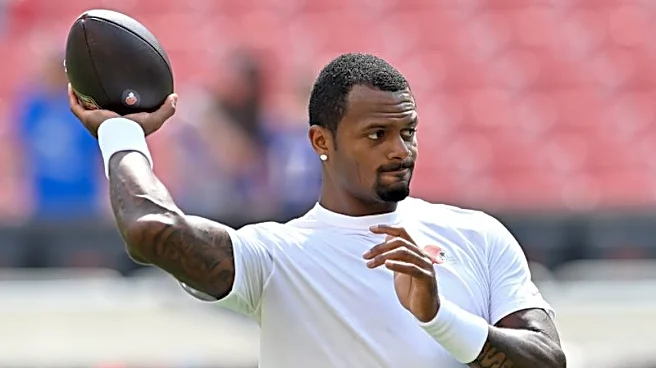
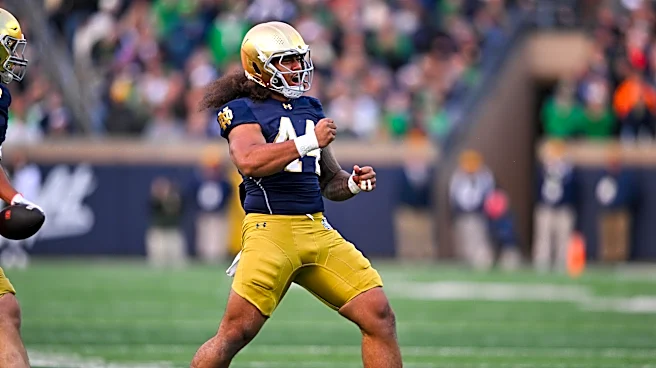
granted additional eligibility to various fifth-year athletes. The new five-year eligibility model allows players to compete for five seasons starting either upon college enrollment or when they turn 19. Lanning argues that once a player enters the NFL, they should remain there and not have the option to return to college. He also highlighted the logistical challenges for college programs, stating that bringing back former NFL players would necessitate removing current roster members who have dedicated their off-season to the team. This sentiment is echoed by some NFL coaches, including Cleveland Browns head coach Todd Monken, who expressed bewilderment at NFL franchises losing players during preseason and training camp due to the allure of extended college eligibility and NIL opportunities.
Why It's Important?
This development signifies a significant disruption in the traditional progression of football careers from college to the NFL, impacting both collegiate and professional leagues. For college football, the return of experienced, professional-level players could alter competitive balances, potentially benefiting programs that can attract such talent while disadvantaging others. It also raises questions about fairness to existing college athletes who might lose roster spots. For the NFL, the loss of players during critical preseason periods can disrupt team building and preparation, affecting roster stability and competitive integrity. The financial incentives provided by NIL deals in college sports are now directly competing with early-career NFL contracts, creating a complex landscape where players have more leverage and diverse options, challenging established norms in player development and recruitment for both levels of the sport.
What's Next?
The ongoing debate and differing opinions from college and NFL coaches suggest that this issue will likely continue to evolve. It is probable that stakeholders, including the NCAA, NFL, and player associations, will need to address the implications of these new eligibility rules and the financial dynamics of NIL. Discussions may arise regarding potential adjustments to eligibility criteria, roster management rules, or even collaborative agreements between professional and collegiate sports bodies to manage player transitions more effectively. The situation could lead to further legal challenges or policy changes aimed at clarifying the boundaries between professional and amateur status in football. Individual players will continue to weigh their options between immediate NFL opportunities and extended college careers with NIL benefits, potentially leading to more unpredictable player movement in the coming seasons.
Beyond the Headlines
Beyond the immediate concerns of roster management and competitive balance, this trend highlights a fundamental shift in the power dynamics within sports. The increased financial autonomy and extended eligibility for college athletes, largely driven by NIL, challenge the long-standing amateurism model of collegiate sports. This could lead to a more professionalized college sports environment, blurring the lines between amateur and professional athletes. Ethically, questions arise about the fairness to younger college players whose development or opportunities might be curtailed by the return of more experienced professionals. Legally, the Louisiana court order sets a precedent that could be challenged or replicated in other jurisdictions, further complicating national eligibility standards. Culturally, it reflects a broader societal trend where individual economic empowerment is increasingly prioritized, even within traditionally structured institutions like sports leagues, potentially reshaping the fan experience and the perception of college athletics.