





What's Happening?
Warner Bros. Discovery (WBD) attempted to shelve the movie 'Coyote vs. Acme,' a live-action/animated hybrid film, reportedly to claim a tax write-off. This move has drawn significant attention to WBD's practice of disappearing nearly completed films for
financial benefits. Despite the studio's efforts to sideline it, the film has garnered generally positive reviews, with many critics considering it one of the best Looney Tunes movies in years. The movie, loosely based on Ian Frazier’s 'Coyote v. Acme' piece, follows Wile E. Coyote as he sues the Acme Corporation over its faulty products, with attorney Kevin Avery representing him. The film satirizes corporate practices, framing Acme as a blend of WBD, Apple, Tesla, and Lockheed Martin. Ketchup Entertainment ultimately acquired the distribution rights, ensuring its release on August 28th.
Why It's Important?
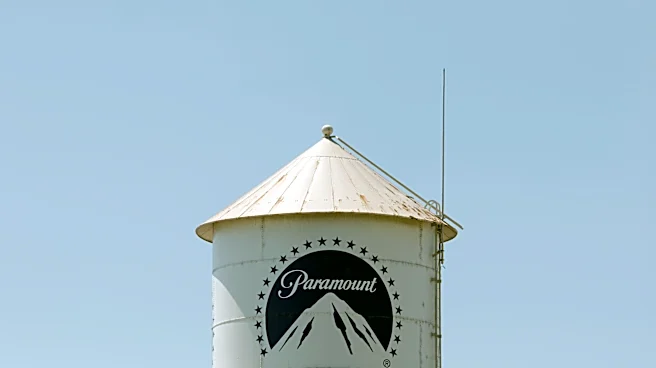
WBD's strategy of shelving completed films for tax write-offs has significant implications for the film industry and creative talent. This practice can demoralize filmmakers and artists whose work is effectively erased for financial gain, potentially leading to a chilling effect on creative risk-taking. The positive reception of 'Coyote vs. Acme' after WBD's attempt to bury it highlights a potential disconnect between corporate financial strategies and artistic merit. This situation could make WBD appear as a company prioritizing short-term tax benefits over the long-term value of its intellectual property and the morale of its creative teams. The controversy also brings into question the ethical responsibilities of large media conglomerates towards their content and the public, especially as WBD navigates a potential merger with Paramount. The public's awareness of such practices could influence audience perception and trust in the studio.
What's Next?
With 'Coyote vs. Acme' set for release on August 28th through Ketchup Entertainment, its box office performance and critical reception will be closely watched. A successful run could further underscore WBD's misjudgment in attempting to shelve it, potentially leading to internal re-evaluations of their content strategy. The ongoing scrutiny of WBD's tax write-off practices might influence future decisions regarding film releases and acquisitions, especially in light of its potential merger with Paramount. This incident could also prompt broader industry discussions about the financial mechanisms studios use and their impact on creative output. Other studios might face pressure to be more transparent about their content strategies, and filmmakers may seek stronger contractual protections against similar shelving practices.
Beyond the Headlines
The 'Coyote vs. Acme' controversy delves into the deeper tension between art and commerce in the entertainment industry. The film itself, with its meta-commentary on corporations and legal battles, ironically mirrors the real-life drama surrounding its release. The portrayal of Acme as a conglomerate akin to WBD suggests a self-awareness within the creative team, potentially making the film a subtle critique of its own studio's practices. This situation raises questions about the value placed on creative work when it can be discarded for financial maneuvers. It also highlights the power dynamics within Hollywood, where corporate decisions can override artistic endeavors. The public's strong reaction to WBD's actions indicates a growing demand for accountability and transparency from major media companies, especially concerning the preservation and distribution of creative content.