






What's Happening?
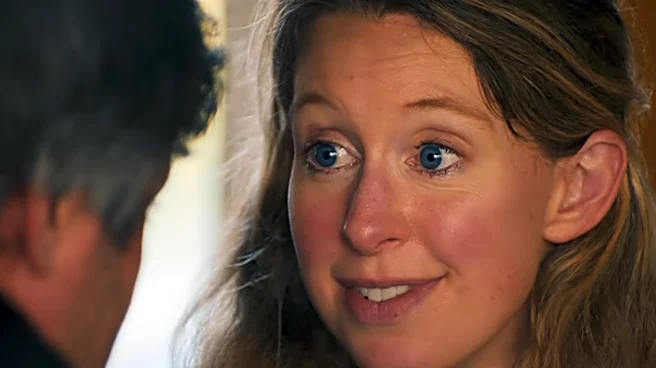
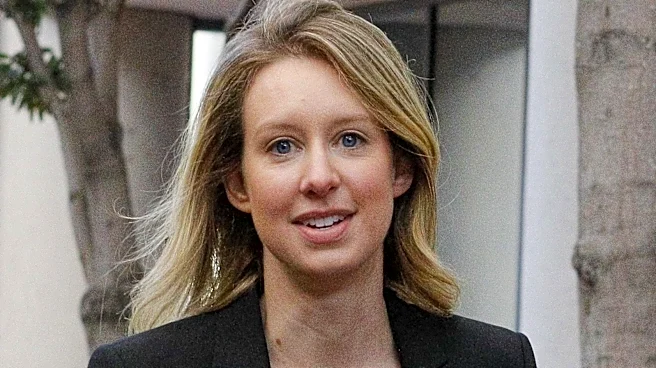
The documentary "You Can See Everything," focusing on convicted Theranos founder Elizabeth Holmes, has become a significant cultural moment and a box-office success, defying typical expectations for documentaries. Directed by Nathan Fielder and Lance
Oppenheim, the film gained traction due to its unconventional release, which involved a secret production followed by a barely announced theatrical debut. Experts attribute its popularity to several factors, including the element of surprise, unprecedented access to Holmes in the weeks before her prison sentence, and the unique, often surreal, filmmaking style of Nathan Fielder. The documentary avoids traditional talking-head interviews and instead offers a psychological analysis, absurdist comedy, and investigative journalism blend, leaving audiences with more questions than answers about Holmes's true motivations and her relationship with partner Billy Evans. This ambiguity, coupled with viral teaser trailers and meme-worthy moments, fueled widespread discussion both online and offline.
Why It's Important?
The success of "You Can See Everything" highlights a shift in audience engagement with non-fiction storytelling, demonstrating that unconventional narratives and a sense of exclusivity can drive significant public interest. The film's ability to generate widespread conversation and debate underscores the power of shared media experiences in contemporary culture. It also reflects a continued public fascination with high-profile figures like Elizabeth Holmes and the broader implications of corporate fraud and Silicon Valley narratives. For the film industry, its box-office performance as a documentary suggests that unique approaches to subject matter and marketing can attract audiences typically drawn to blockbuster spectacles. Furthermore, the film's open-ended nature encourages critical thinking and personal interpretation, fostering a deeper level of engagement than documentaries that offer definitive conclusions, thereby influencing how audiences perceive and discuss complex real-world events and personalities.
What's Next?
The documentary's continued presence in cultural discourse is expected, especially as it transitions from theaters to streaming platforms, potentially reaching an even wider audience. Its unique narrative and the lingering questions it poses about Elizabeth Holmes are likely to sustain discussions in online communities and social circles. The film's success could also influence future documentary filmmaking, encouraging creators to experiment with less conventional storytelling methods and release strategies. Given its critical acclaim and cultural impact, "You Can See Everything" is poised for a significant awards-season campaign, which will further keep it in the public conversation and potentially garner more accolades. The ongoing debate about Holmes's sincerity and the filmmakers' intentions will likely continue to evolve as more viewers engage with the complex portrayal presented in the documentary.
Beyond the Headlines
The documentary delves into deeper psychological and sociological implications beyond the immediate story of Elizabeth Holmes. It explores the human desire for exclusive access and understanding of enigmatic figures, particularly those involved in high-stakes scandals. The film's deliberate ambiguity about Holmes's true nature taps into a collective curiosity about deception, self-delusion, and manipulation, prompting viewers to confront their own biases and interpretations. Ethically, the documentary raises questions about the nature of truth in non-fiction filmmaking, especially when the lines between observation, staging, and provocation are blurred. Culturally, its viral spread and memeification reflect how complex narratives are consumed and reinterpreted in the digital age, where shared experiences and social commentary become integral to media consumption. This phenomenon suggests a long-term shift in how audiences engage with and process information about public figures and controversial events, favoring participatory interpretation over passive reception.