







What's Happening?
Paramount Pictures and real estate developer Rick Caruso have announced a partnership to reopen the Bay Theater in the Palisades Village shopping and dining complex. The theater, which was previously operated by Netflix, has been closed since the Palisades Fire.
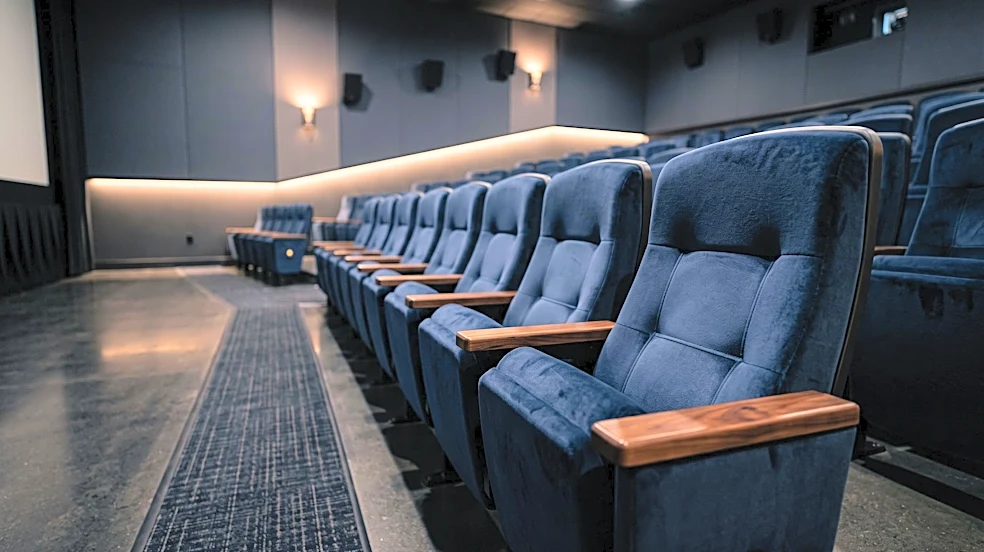
Originally opened by Cinéopolis in 2018, the venue will undergo revitalization with plans for a reopening before the end of the year. The collaboration aims to restore a key entertainment offering to the Pacific Palisades community. Rick Caruso emphasized Paramount's legacy in cinematic storytelling and its commitment to Los Angeles and the future of the theatrical experience. David Ellison, chairman and CEO of Skydance, the parent company of Paramount Pictures, highlighted the theater's significance to the neighborhood's fabric and expressed honor in supporting the community's comeback. The revitalized Bay Theater will feature first-run theatrical releases, classic films, and curated events, along with high-end amenities such as luxury seating, advanced sound and projection technology, and in-theater dining. Paramount has engaged luxury dine-in cinema operator The Lot to manage the culinary experience, which will include chef-driven menus and handcrafted cocktails.
Why It's Important?
This partnership signifies a significant investment in the future of the theatrical moviegoing experience, particularly in a local community setting. The reopening of the Bay Theater, following its closure due to the Palisades Fire and its previous operation by a streaming giant, underscores a belief in the enduring appeal of communal cinema. For Paramount Pictures, it represents a direct engagement with local audiences and an opportunity to showcase its films in a premium environment, potentially influencing how studios interact with exhibition. For Rick Caruso, it reinforces Palisades Village as a vibrant community hub, enhancing its appeal as a retail and entertainment destination. The involvement of The Lot also highlights a growing trend in cinema toward offering a more luxurious and comprehensive entertainment experience, combining film with high-quality dining. This move could serve as a model for other communities looking to revitalize local entertainment venues and for studios seeking to strengthen their connection with moviegoers beyond traditional multiplexes.
What's Next?
Paramount Pictures and Caruso anticipate announcing a specific reopening date for the Bay Theater in the coming weeks, with the goal of welcoming patrons before the end of the year. Following the reopening, the theater will begin offering a diverse program of first-run films, classic cinema, and special events. The Lot will finalize and unveil its menu for the Bay Theater, which is expected to mirror the upscale dining options available at its other locations. The partnership also plans to introduce 'experiential activations' and 'immersive theatrical moments' to further enhance the moviegoing experience and contribute to the revitalization of the Palisades community. The success of this venture could influence future collaborations between major studios and local developers in creating unique, high-end cinematic destinations, potentially setting a new standard for community-based entertainment venues across the U.S.
Beyond the Headlines
The reopening of the Bay Theater through this partnership reflects a broader industry trend of re-evaluating the theatrical experience in the age of streaming. While streaming services gained significant traction, this initiative suggests a renewed confidence in the unique value of physical cinemas as community gathering places. The emphasis on luxury amenities, in-theater dining, and curated events indicates a strategic shift towards making moviegoing an event-driven, premium experience rather than just a transactional one. This could lead to a bifurcation in the exhibition market, with high-end, experience-focused theaters coexisting with more traditional, volume-driven cinemas. Furthermore, the collaboration between a major studio like Paramount and a prominent developer like Caruso highlights a potential new model for content distribution and audience engagement, where studios play a more direct role in shaping the exhibition environment. This could also have cultural implications, fostering a sense of local community identity around shared cinematic experiences.