







What's Happening?
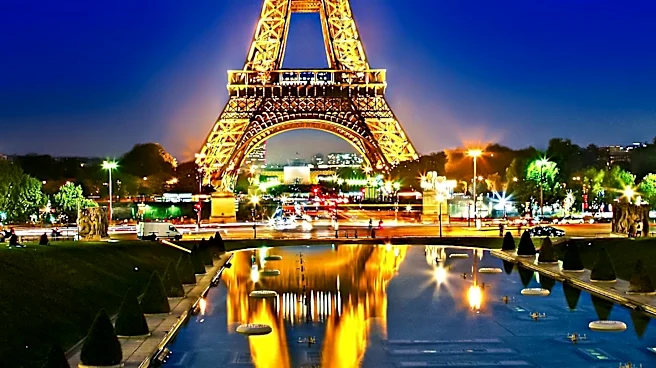
Paris, France, is highlighted as a premier destination offering a diverse range of cultural, historical, and artistic attractions. Key landmarks include the Eiffel Tower, which provides panoramic city views and an hourly light show after dusk. The Louvre
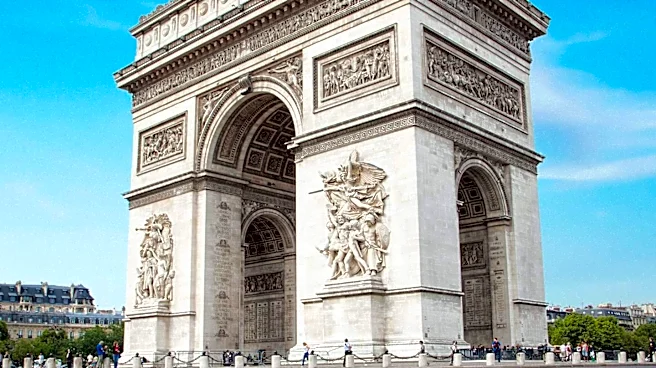
Museum, originally a royal palace, now houses extensive art collections spanning various civilizations. Visitors can also explore the opulent Palace of Versailles, known for its Baroque architecture and expansive gardens. Other notable sites include the historic Notre-Dame Cathedral, the Impressionist masterpieces at Musée d’Orsay, and the stunning stained-glass windows of Sainte-Chapelle. For those seeking unique experiences, the city offers the mysterious underground Catacombs and the scenic River Seine cruises. The city's charm extends to its vibrant neighborhoods like Saint Germain Des Prés and Butte-aux-Cailles, as well as tranquil green spaces such as the Luxembourg Gardens and Parc des Buttes-Chaumont. The Arc de Triomphe stands as a monumental symbol of victory, and Les Invalides provides insight into military history, housing Napoleon Bonaparte's tomb. Montmartre Hill, with the Sacré-Cœur Basilica, offers breathtaking city vistas.
Why It's Important?
Paris's enduring appeal as a global tourist destination significantly impacts the travel and tourism industries worldwide, including those in the U.S. The city's rich cultural offerings, from world-renowned museums to historical monuments, attract millions of visitors annually, contributing to a robust international tourism economy. For U.S. travelers, Paris represents a quintessential European experience, driving demand for transatlantic flights, accommodation services, and tour operators. The city's influence on fashion, art, and cuisine also shapes global trends, affecting related industries in the U.S. The preservation and accessibility of these historical and cultural sites are crucial for maintaining this economic and cultural exchange. Furthermore, the continuous promotion of Paris as a top travel spot encourages cultural appreciation and international understanding among U.S. citizens, fostering a broader perspective on global heritage and artistic achievements. The economic benefits extend to various sectors, including hospitality, transportation, and retail, both in France and in countries like the U.S. that facilitate this tourism.
What's Next?
Paris is expected to continue its efforts in maintaining and enhancing its tourist infrastructure to accommodate the ongoing influx of visitors. Future developments may include further restoration projects for historical sites, such as the ongoing work at Notre-Dame Cathedral, and initiatives to improve visitor experiences, potentially through advanced digital guides and streamlined access to popular attractions. The city will likely focus on sustainable tourism practices to manage environmental impact and preserve its heritage for future generations. Marketing campaigns will continue to highlight both iconic landmarks and lesser-known gems to attract a diverse range of travelers. Additionally, the city may explore new cultural events and exhibitions to keep its offerings fresh and engaging. The hospitality sector will likely adapt to evolving traveler preferences, with an emphasis on unique and authentic Parisian experiences. Efforts to integrate technology, such as mobile applications for navigation and booking, will also likely expand to enhance convenience for tourists.
Beyond the Headlines
Beyond its surface-level attractions, Paris embodies a profound cultural narrative that has shaped Western civilization. The city's architecture, from Haussmann-era boulevards to Gothic cathedrals, tells a story of centuries of artistic and political evolution. The presence of world-class institutions like the Louvre and Musée d’Orsay underscores Paris's role as a custodian of global art and history, influencing artistic movements and intellectual thought worldwide. The city's commitment to preserving its heritage, even in the face of modernization, reflects a deep cultural value placed on continuity and identity. This dedication extends to its vibrant street life, café culture, and culinary traditions, which are integral to the Parisian experience. The ethical implications of mass tourism, such as balancing visitor numbers with local quality of life and environmental concerns, are ongoing considerations. Paris serves as a living museum, offering not just sights but an immersive cultural education that transcends typical tourist experiences, fostering a deeper appreciation for human achievement and historical legacy.