








What's Happening?
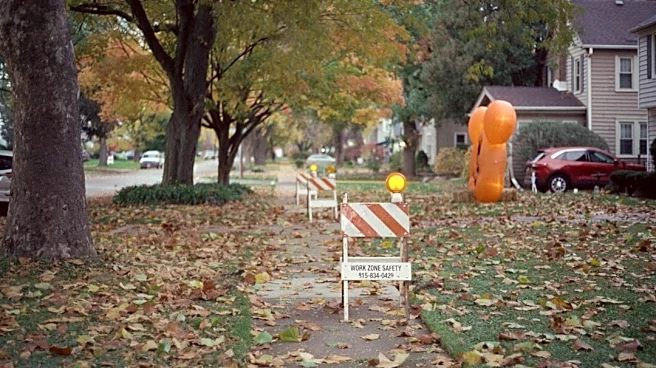
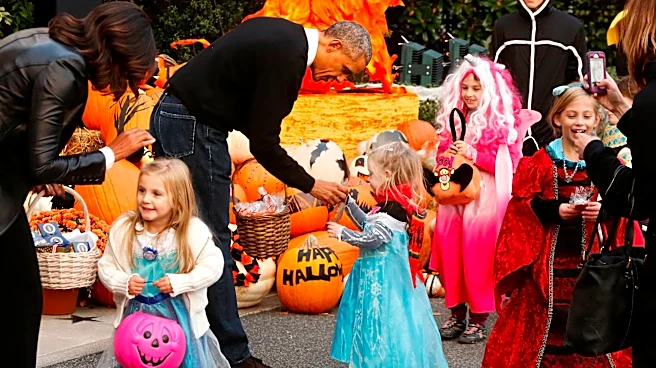
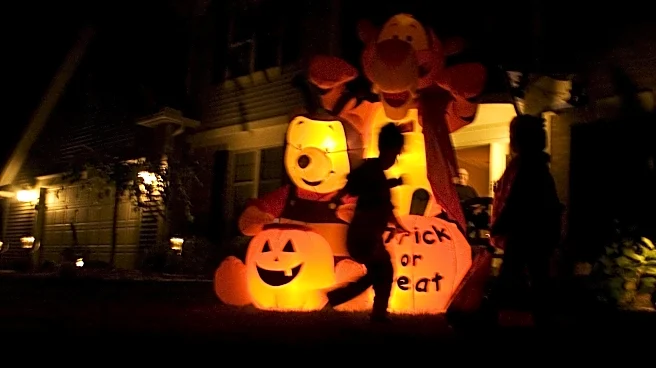
The Bowling Green city government is recommending that trick-or-treating in neighborhoods take place between 4 p.m. and 8 p.m. on Saturday. While this is a recommended timeframe, city Public Information Officer Debi West clarified that there is no hard
rule set for the festivities, stating that the specific times are ultimately up to the individuals handing out candy and the parents taking their children out. Warren County government and other nearby communities are suggesting similar hours. Officials are encouraging trick-or-treaters and families to prioritize safety during Halloween activities. The Bowling Green Police Department (BGPD) will not have additional patrols specifically for Halloween but will have officers roaming areas with high foot traffic. The BGPD also advises motorists to exercise caution and parents to dress their children in high-visibility vests for increased safety.
Why It's Important?
The recommendation of specific trick-or-treating hours by local government, while not mandatory, serves as a guideline to promote safety and community cohesion during Halloween. This initiative helps to standardize expectations for residents, potentially reducing confusion and ensuring that children can enjoy the holiday in a safer environment. The emphasis on pedestrian safety, particularly the advice for drivers to be cautious and for children to wear high-visibility clothing, addresses common risks associated with increased foot traffic on Halloween night. For local law enforcement, the decision to have officers patrol high-traffic areas rather than implement additional patrols reflects a strategic allocation of resources to manage public safety during a busy community event, balancing celebratory activities with necessary precautions.
What's Next?
As Halloween approaches, residents of Bowling Green and surrounding areas are expected to follow the recommended trick-or-treating hours, though individual discretion will ultimately determine participation times. The focus will remain on safety, with continued advisories for both pedestrians and motorists. Local businesses and community organizations may host additional Halloween-themed events, such as Pumpkin Alley and Rockin’ Trick or Treat, providing alternative or supplementary activities for families. The effectiveness of the city's recommendations will be observed through public adherence and the overall safety record of the evening. Future Halloween planning will likely draw upon the experiences and outcomes of this year's event, potentially leading to refined guidelines or safety campaigns.
Beyond the Headlines
The annual tradition of Halloween trick-or-treating, while seemingly simple, involves a complex interplay of community norms, public safety concerns, and local governance. The city's recommendation reflects an effort to balance the festive spirit with practical considerations for child safety and traffic management. This informal regulation highlights how communities adapt to seasonal events, often relying on collective responsibility and shared understanding rather than strict enforcement. The role of public information officers and police departments in disseminating safety advice underscores their function in community education and risk mitigation. Furthermore, the continuation of community-organized events alongside neighborhood trick-or-treating demonstrates the diverse ways in which American communities celebrate holidays, fostering social interaction and local engagement.