




What's Happening?
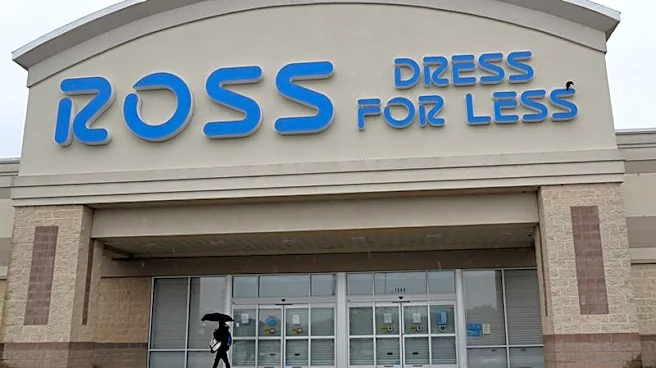
Ross Stores, Inc. (ROST) experienced a 2.99% stock decline, trading at $213.31, extending a previous 3.41% slide. This downturn follows the release of its third-quarter report, which, despite beating profit estimates, included a holiday-quarter earnings
forecast that fell below Wall Street's expectations. The company reported strong third-quarter results with sales increasing by 12% to $6.26 billion and comparable-store sales climbing 8% due to higher customer traffic. Operating margin expanded to 12.3%, and earnings per share reached $1.91, surpassing both consensus and company forecasts. However, the forward outlook for the fourth quarter maintained a comparable-sales growth outlook of 4% to 5%, a significant deceleration from the 8% achieved in the third quarter and the 9% gain from the previous year's holiday period. Furthermore, the company trimmed its quarterly EPS guidance to $2.16–$2.25, below the approximately $2.27 consensus, citing increased domestic freight costs from elevated fuel prices and higher marketing and store-labor investments. The full-year EPS range was raised to $8.75–$8.84, but this figure includes about $0.60 per share from tariff refunds booked in the second quarter, which shifted investor focus to the underlying earnings performance.
Why It's Important?
The decline in Ross Stores' stock highlights investor sensitivity to forward-looking guidance, even when current performance is strong. The lowered holiday-quarter earnings forecast, attributed to rising operational costs such as freight and labor, signals potential challenges for the retail sector, particularly for off-price retailers that rely on efficient supply chains and competitive pricing. This situation could impact consumer sentiment and spending patterns, especially among middle-income and lower-to-moderate-income households that Ross Stores primarily serves. The company's ability to manage these increased costs while maintaining its value proposition will be crucial. The market's reaction also suggests that investors are scrutinizing the sustainability of earnings, especially when one-time benefits like tariff refunds are factored in. This could lead to a broader re-evaluation of growth expectations for other retailers facing similar cost pressures and competitive landscapes.
What's Next?
Attention will now shift to the November–December selling season, with upcoming Black Friday foot traffic and monthly retail sales data providing the first concrete indicators of whether Ross Stores' 4%–5% holiday comparable-sales plan is achievable. Management has indicated an improvement in early fourth-quarter trends after a period of unseasonably warm weather, a claim that the market will seek confirmation for. The next formal update will be with the fourth-quarter results in early March, which will also include initial fiscal 2027 guidance and commentary on unit growth beyond the 115 stores opened this year. Additionally, the company has a $0.445 quarterly dividend payable on December 31 to holders of record on December 8, and continued share buybacks under a $2.55 billion authorization are in progress. Macroeconomic factors such as fuel costs, consumer sentiment, and the Federal Reserve's policy path will also influence the company's performance and investor perception. The market will be watching for sustained traffic gains and double-digit EPS growth to determine if the current stock pullback is a temporary valuation reset or indicative of a longer-term trend change.
Beyond the Headlines
The situation at Ross Stores reflects broader economic currents impacting the retail industry, particularly the delicate balance between managing operational costs and meeting consumer demand for value. The emphasis on tariff refunds in the full-year EPS guidance underscores how external factors, such as trade policies, can significantly influence corporate profitability and investor confidence. This also highlights the increasing pressure on retailers to absorb or pass on rising costs, which could affect pricing strategies and ultimately consumer purchasing power. The off-price retail model, while resilient in various economic conditions, is not immune to inflationary pressures on freight and labor. The market's focus on underlying earnings, excluding one-time gains, suggests a more discerning approach to financial reporting, pushing companies towards greater transparency regarding their core operational performance. This trend could lead to a re-evaluation of how investors assess corporate health and growth prospects in a volatile economic environment.