



What's Happening?
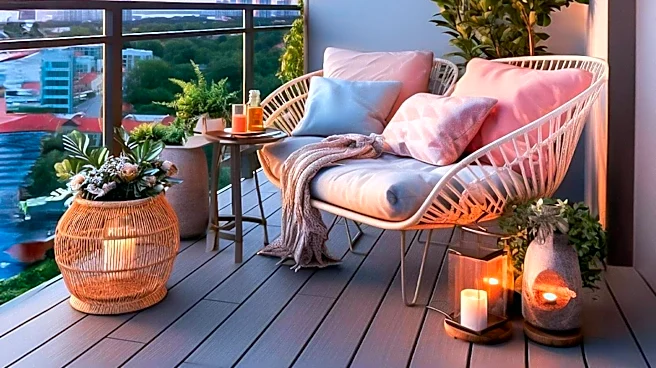
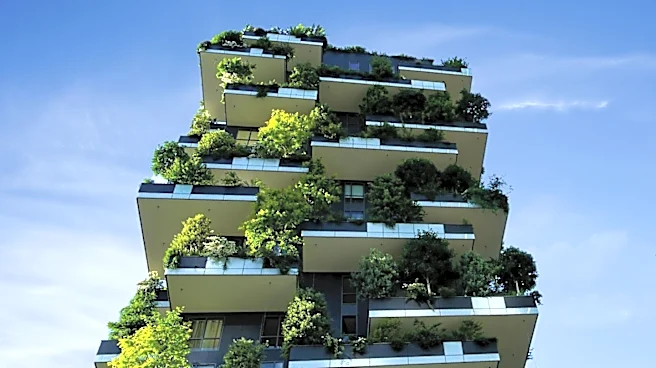
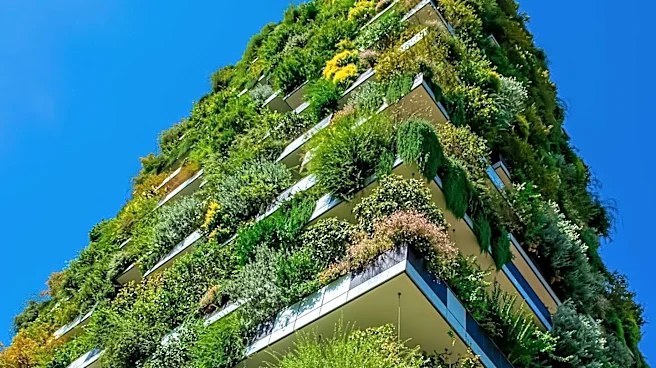
Biophilic Design is being utilized to transform narrow urban courtyards into immersive, private sanctuaries, even in areas with tight footprints like inner-city Sydney terraces. The approach involves shifting living elements to vertical planes, such as walls,
and pairing lush, multi-layered vertical greenery with warm timber decking and concealed utility screening. This method demonstrates that spatial constraints are not limitations but rather invitations to design vertically, creating restorative connections to nature without requiring sprawling square footage. The transformation of a neglected lightwell into a green space highlights the effectiveness of intentional design in maximizing every architectural plane to integrate natural elements.
Why It's Important?
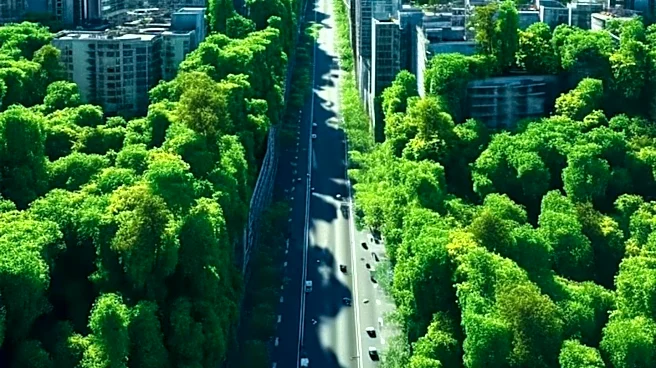
This application of biophilic design is significant for urban environments, where space is often at a premium and access to nature is limited. By demonstrating that even small, constrained areas can be transformed into green sanctuaries, it offers a scalable solution for improving urban well-being and sustainability. The integration of vertical gardens and living walls can contribute to urban greening initiatives, enhance biodiversity, and potentially mitigate urban heat island effects. For residents, these green spaces provide psychological respite, reduce stress, and improve overall quality of life by fostering a connection to nature. This trend could influence urban planning and architectural practices in densely populated U.S. cities, promoting healthier and more resilient urban living.
What's Next?
The success of such projects is likely to encourage wider adoption of vertical gardening and living wall technologies in urban development across the U.S. This could lead to increased demand for specialized landscape architecture and design services focused on biophilic principles for small spaces. Future developments may include further innovation in plant selection for vertical gardens, advanced irrigation systems, and integration with smart home technologies for automated maintenance. Educational initiatives and policy changes could also promote the incorporation of biophilic design elements in new constructions and renovations, particularly in multifamily housing and commercial buildings, to enhance occupant well-being and environmental sustainability.
Beyond the Headlines
The transformation of small urban spaces into green sanctuaries through biophilic design reflects a broader cultural shift towards valuing nature in everyday life, even amidst urbanization. It challenges the traditional view of urban spaces as purely functional and highlights the ethical responsibility of designers to create environments that support human health and ecological balance. This approach can also foster a sense of community and pride in urban neighborhoods, as shared green spaces become focal points. Furthermore, it underscores the potential for design to address environmental challenges like air quality and biodiversity loss within city limits, demonstrating that sustainable living can be integrated into even the most constrained urban settings.