



What's Happening?
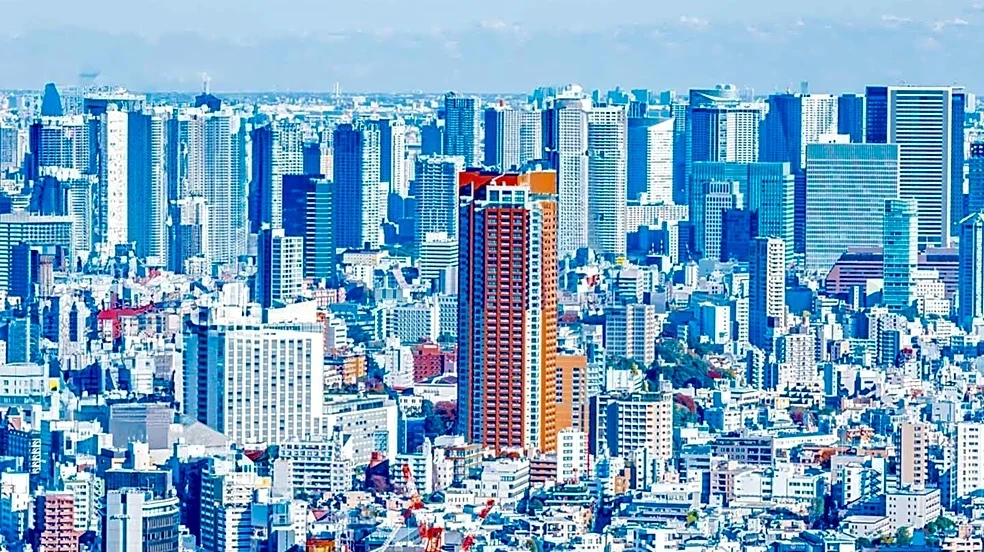
There is a growing call for cities to prioritize public spaces that are freely accessible, require no purchase, and allow for varied levels of engagement, from active participation to quiet contemplation. This perspective emphasizes that true public spaces,
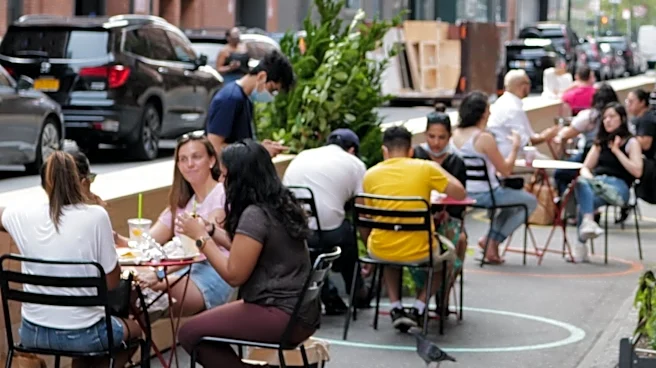
as defined by the United Nations’ Habitat III issue paper, are publicly owned or used, accessible to everyone without a profit motive, and include streets, open spaces, and public facilities. The argument is made that while commercial venues offer sociability, they should not be the only option. Instead, cities need spaces like shaded benches, neighborhood gardens, and public squares where individuals can simply exist without obligation. Research indicates that such spaces foster 'ordinary encounters' and 'weak ties' that contribute to shared urban life, even if they don't automatically create close-knit communities. The importance of physical comfort, such as shade, seating, and accessible facilities, is also highlighted as crucial for making spaces truly inclusive.
Why It's Important?
The advocacy for truly free and accessible public spaces addresses a critical need in urban environments where commercialization often dictates access and interaction. By emphasizing spaces that 'ask nothing of us,' it challenges the trend of public areas becoming extensions of private businesses, where comfort and lingering are contingent on consumption. This approach is vital for fostering social equity, ensuring that all residents, regardless of economic status, have opportunities for connection, relaxation, and engagement with their community. Such spaces are essential for mental well-being, offering respite from the demands of daily life and opportunities for spontaneous social interaction that strengthens community bonds. Prioritizing unprogrammed spaces also allows for organic community development, where residents can shape their own experiences rather than being dictated by planned events, fostering a deeper sense of ownership and belonging.
What's Next?
This advocacy could lead to shifts in urban planning and public policy, encouraging city developers and governments to integrate more genuinely public spaces into their designs. There may be increased pressure on municipalities to invest in and maintain parks, libraries, and public squares that prioritize free access and comfort over commercial viability. Designers and architects might be challenged to create spaces that are welcoming without being prescriptive, offering flexibility for diverse uses and individual preferences. Community groups may also become more vocal in demanding such spaces, advocating for policies that protect and expand non-commercial public realms. The ongoing dialogue could also influence funding models for public spaces, potentially leading to innovative approaches that ensure their sustainability without relying on commercialization.
Beyond the Headlines
The concept of 'places that ask nothing of us' delves into the fundamental human need for unburdened existence and connection. In a society increasingly driven by productivity and consumption, these spaces offer a radical alternative—a place to simply 'be.' This has profound implications for mental health, reducing stress, and fostering a sense of collective identity. It also touches upon the democratic ideal of shared public life, where diverse individuals can coexist and interact on neutral ground, transcending social and economic divides. The challenge lies in balancing the need for such spaces with the economic realities of urban development and maintenance. Ultimately, this movement calls for a re-evaluation of what constitutes a 'successful' urban environment, shifting the focus from economic output and programmed activity to the quality of life and the richness of human experience it affords its inhabitants.