



What's Happening?
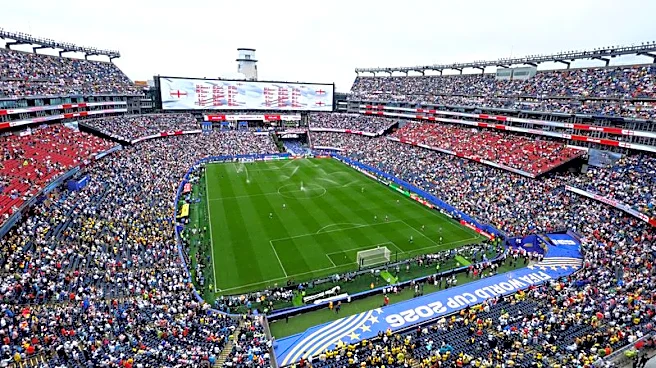
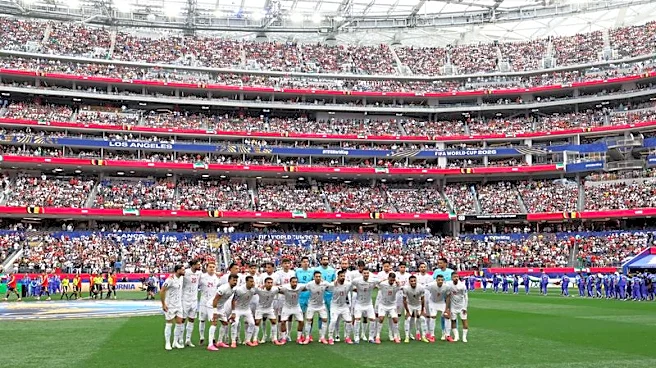
The World Cup, even before its final match, has achieved a significant feat by uniting a global audience in a shared experience. The tournament, which is yet to conclude, has already brought together people from diverse backgrounds, creating moments of
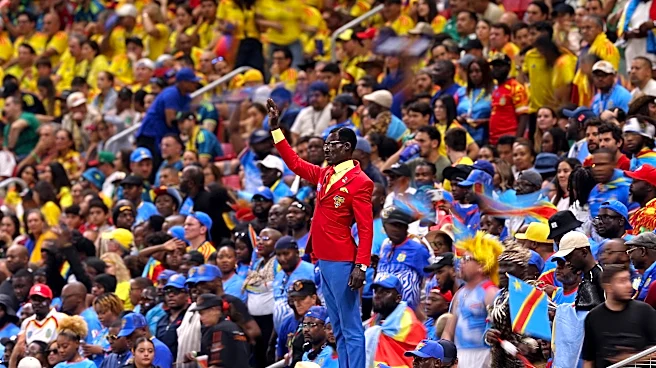
unity and shared excitement. This phenomenon is observed in various settings, from a Senegalese flag in a Lyft to packed taquerias in cities without teams in the tournament. The World Cup's impact extends beyond the competition itself, fostering a temporary collapse of social and cultural distances as people worldwide engage with the event. FIFA reports that the last men's World Cup engaged approximately five billion people, illustrating the massive global reach and the appetite for shared experiences.
Why It's Important?
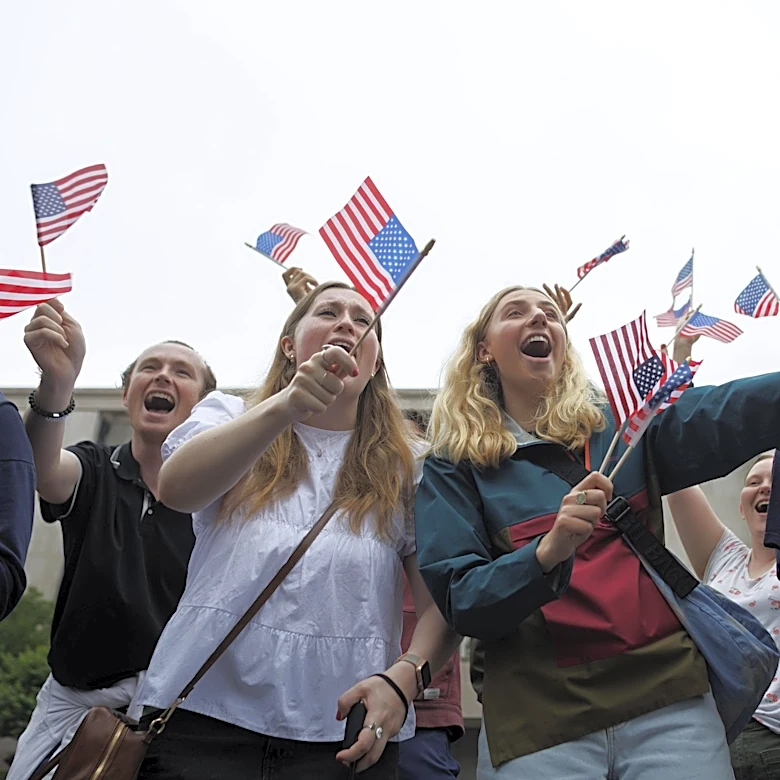
The significance of the World Cup extends beyond sports, as it serves as a rare occasion for global unity in an increasingly fragmented world. The event highlights the human desire for shared experiences, which persists despite the rise of personalized media consumption. In the U.S., the tournament has sparked a growing interest in soccer, with more Americans engaging with the sport than ever before. This shift is particularly notable among younger generations, indicating a long-term change in the country's sports culture. The World Cup's ability to bring people together, even in a divided world, underscores the power of sports as a unifying force.
What's Next?
As the World Cup progresses, the focus will shift to the final matches and the crowning of a champion. However, the broader impact of the tournament will continue to resonate, particularly in the U.S., where soccer's popularity is on the rise. The event may lead to increased investment in soccer infrastructure and youth programs, further embedding the sport in American culture. Additionally, the global unity experienced during the World Cup could inspire similar efforts in other areas, promoting international cooperation and understanding.
Beyond the Headlines
The World Cup's unifying effect raises questions about the potential for sports to bridge cultural and social divides. While the tournament is a commercial enterprise, its ability to foster genuine human connections cannot be overlooked. This phenomenon challenges the notion that unity is merely a marketing tool, suggesting that shared experiences can transcend commercial interests. The event also prompts reflection on the role of sports in society and its potential to inspire positive change beyond the field.