

What's Happening?
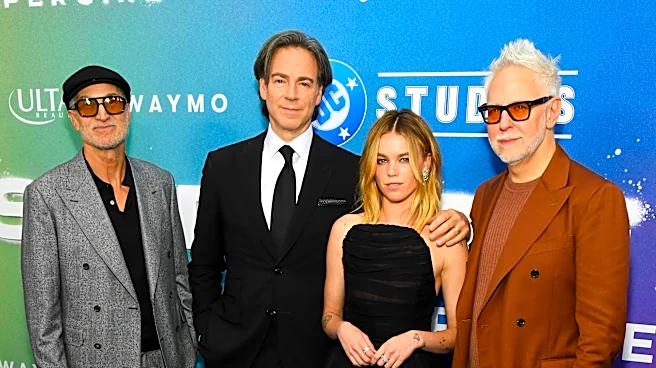
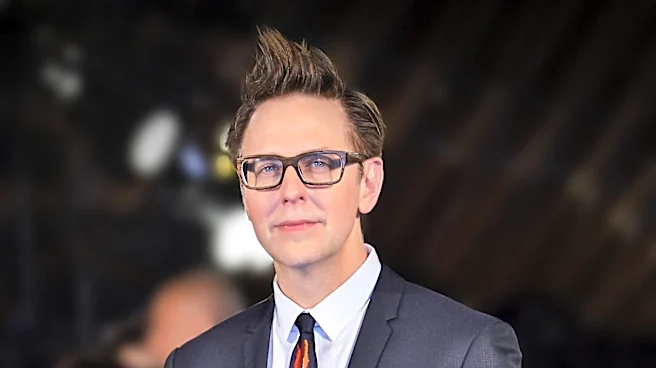
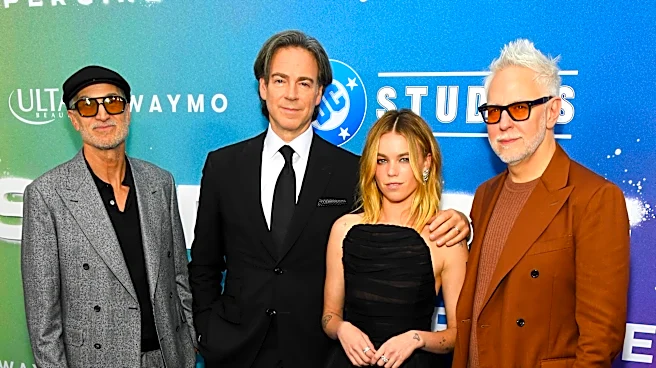
The 2026 film 'Supergirl' starring Milly Alcock has been described as a significant box office failure and an 'uninspired space adventure.' This cinematic misstep reportedly contributed to James Gunn's removal as co-CEO of DC Studios. The movie, a direct
adaptation of the 2021-2022 miniseries 'Supergirl: Woman of Tomorrow,' faced criticism for its script, direction, and portrayal of the titular character. Despite being fast-tracked with a completed script, unlike other planned DCU projects, 'Supergirl' did not resonate with audiences or critics. The film's narrative choices, including a cynical Supergirl and a departure from comic-accurate portrayals, were highlighted as contributing factors to its poor reception. Milly Alcock, who played Supergirl, reportedly removed all traces of the film from her Instagram following the backlash, indicating the severity of the film's failure.
Why It's Important?
The commercial and critical failure of 'Supergirl' carries significant implications for the future of the DC Universe and the broader superhero film industry. The reported firing of James Gunn as co-CEO suggests a major shake-up in leadership and creative direction at DC Studios, potentially leading to a re-evaluation of their cinematic strategy. This event underscores the increasing pressure on studios to deliver successful adaptations, especially after the mixed reception of previous DC Extended Universe films. The film's failure also highlights the challenges of adapting popular comic book characters for the big screen, particularly when deviating from established fan expectations regarding character portrayal and narrative tone. For actors like Milly Alcock, a high-profile flop can impact career trajectories and public perception, demonstrating the high stakes involved in leading major franchise films. The industry may become more cautious about fast-tracking projects without a robust creative vision and audience alignment.
What's Next?
The immediate consequence of 'Supergirl's' failure is the reported departure of James Gunn as co-CEO, which will likely lead to a restructuring of DC Studios' leadership. This could result in a new creative direction for the DC Universe, potentially altering the slate of upcoming films and television series. The poor performance of 'Supergirl' may also cause studios to reconsider their approach to female-led superhero movies, possibly leading to more conservative choices in character development and storytelling. For the Supergirl character specifically, her cinematic future remains uncertain, especially given Milly Alcock's apparent disassociation from the project. Future DCU projects will likely face increased scrutiny, and there may be a renewed emphasis on ensuring comic accuracy and fan engagement to avoid similar box office disappointments. The industry will be watching closely to see how DC Studios navigates this setback and attempts to regain audience trust.
Beyond the Headlines
The failure of 'Supergirl' extends beyond mere box office numbers, touching upon deeper industry trends and cultural discussions. The criticism regarding the film's 'modern Hollywood' problems and its perceived prioritization of an 'agenda over superhero action' reflects ongoing debates within the entertainment industry about creative freedom versus audience expectations. The film's portrayal of Supergirl as a 'sloppy drunken hot mess' and the decision to delay her iconic costume appearance raise questions about how female superheroes are presented and whether these portrayals alienate core fan bases. Furthermore, the comparison to 'True Grit' as an inspiration for the narrative, while potentially interesting, highlights the challenge of translating diverse comic book storylines into universally appealing cinematic experiences. This event could prompt a broader re-evaluation of creative processes within major studios, encouraging a more balanced approach that respects source material while also striving for contemporary relevance.