

What's Happening?
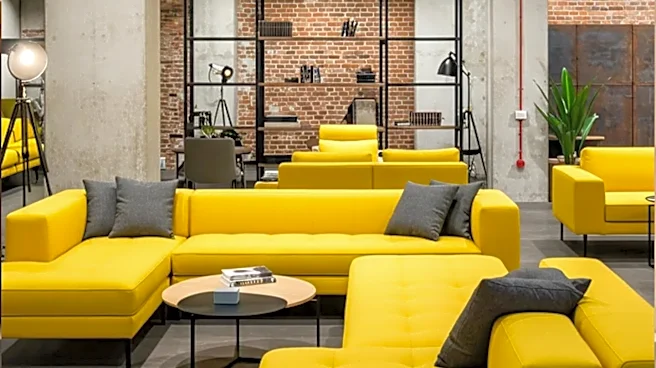
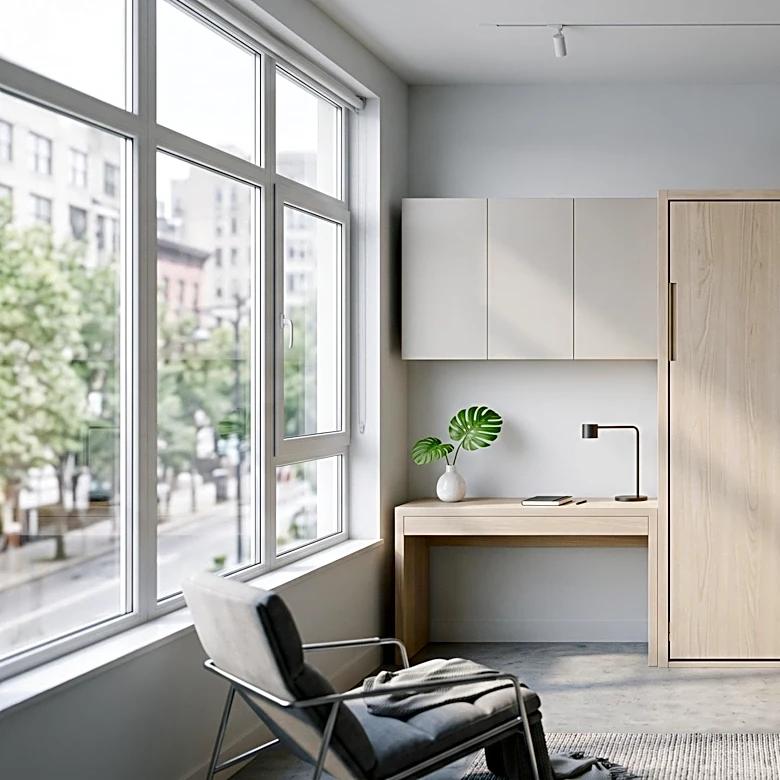
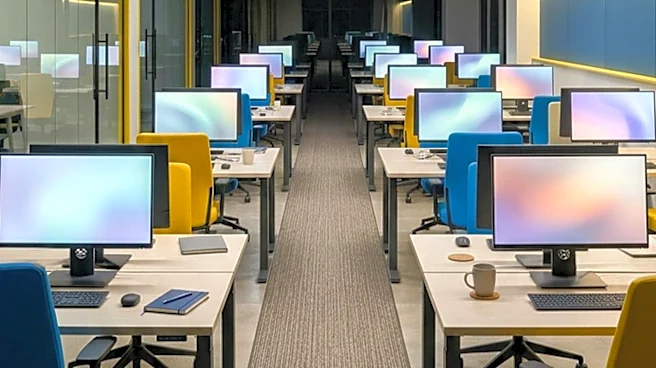
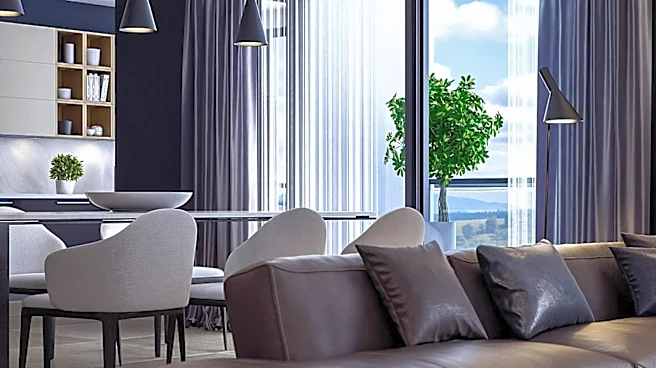
Artvoom is advocating for a rethinking of open-plan office design through the use of creative room divider ideas. The company highlights that while open-concept living promotes inclusivity and spaciousness, there is a growing need for zoning solutions
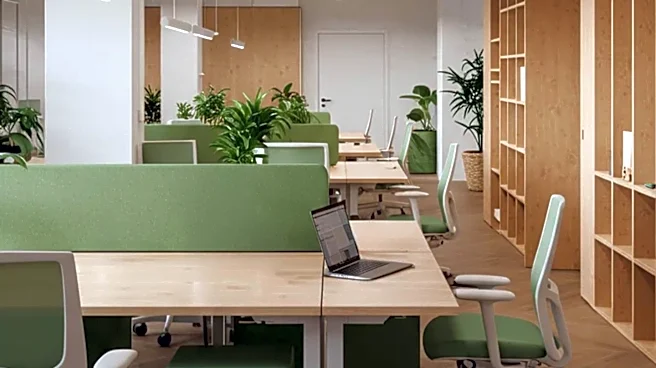
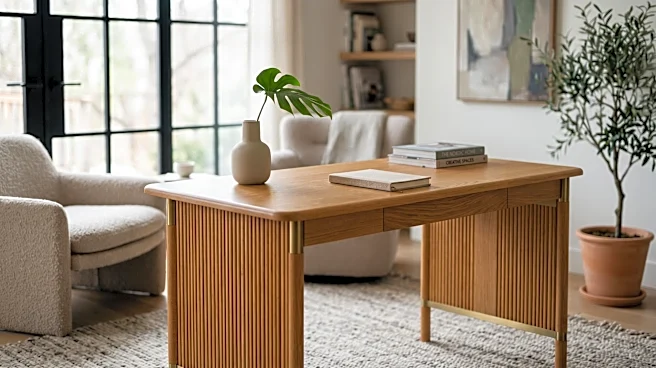
that provide privacy and functionality. Artvoom suggests various approaches, including decorative room partitions with geometric patterns, slat and wooden dividers that allow light and transparency, and the strategic use of veneer panels. The company also emphasizes leveraging furniture placement to define areas and incorporating elements like pendant lighting as visual guides. These solutions aim to create distinct zones within open spaces without sacrificing the overall sense of openness, addressing challenges in both residential and commercial settings.
Why It's Important?
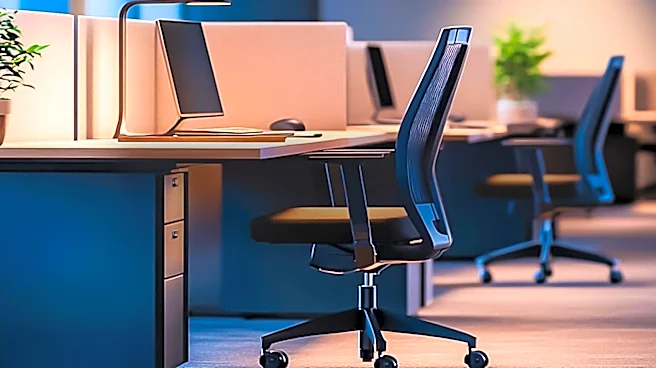
The re-evaluation of open-plan design with creative room dividers is important for U.S. businesses and homeowners seeking to optimize their spaces. For businesses, this approach can enhance employee productivity by providing designated quiet zones for focused work while maintaining collaborative areas. It addresses common complaints about noise and lack of privacy in open offices, which can negatively impact concentration and well-being. For homeowners, these ideas offer practical solutions for creating multifunctional spaces in smaller residences or for families needing distinct areas for work, relaxation, and social gatherings. By offering flexible and aesthetically pleasing zoning solutions, Artvoom's concepts contribute to more adaptable, comfortable, and efficient living and working environments, impacting real estate utilization and interior design trends.
Beyond the Headlines
The discussion around creative room dividers touches upon deeper societal trends related to personal space and the evolving nature of work and home life. The desire for both openness and privacy reflects a psychological need for connection balanced with individual autonomy. Ethically, this trend encourages designers and businesses to consider the human experience more holistically, moving beyond purely functional layouts to spaces that support emotional and cognitive well-being. Culturally, it signifies a move towards more personalized and flexible environments, challenging the one-size-fits-all approach to design. This could lead to long-term shifts in architectural practices and interior design philosophies, emphasizing adaptability and user-centric solutions as core tenets of modern space creation.