



What's Happening?
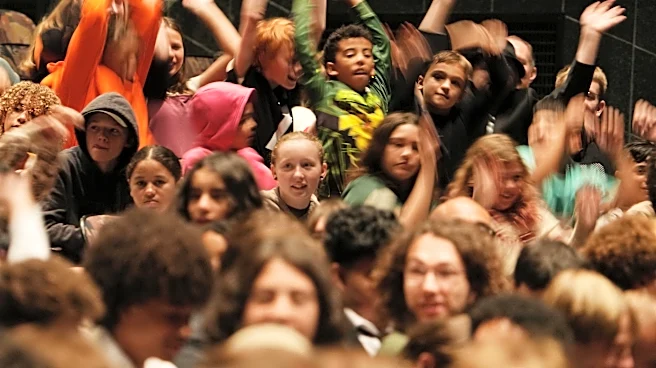
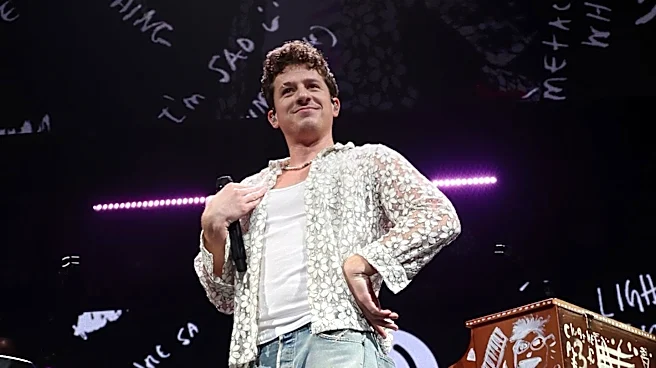
Charlie Puth, the musician, recently served as a special guest on an episode of 'Celebrity Substitute,' where he taught a class of elementary school children in New York City about music composition. Puth's primary goal was to demonstrate that music can
be created from anything, enhancing various aspects of life, including science and math. He shared that his mother was a music educator, which made the teaching experience a full-circle moment for him. During the lesson, Puth engaged the students by having them record everyday noises, such as scraping a comb or peeling masking tape, into his music workspace. He then combined these sounds to create a beat. Following this, the group collaboratively wrote lyrics for their song, which they then sang and rapped together. This educational endeavor comes after Puth concluded the North American leg of his 'Whatever’s Clever!' Tour.
Why It's Important?
This initiative by Charlie Puth highlights the value of creative education and the importance of exposing young children to the arts in innovative ways. By demonstrating how everyday sounds can be transformed into music, Puth demystifies the creative process and encourages children to see musical potential in their surroundings. This approach can foster critical thinking, problem-solving skills, and an appreciation for sound design from an early age. The involvement of a celebrity like Puth can also inspire more children to explore music, potentially sparking new interests and talents. Furthermore, his acknowledgment of his mother's influence as a music educator underscores the significant role that early exposure and mentorship play in artistic development. This event contributes to the broader conversation about integrating arts into STEM education, showing how music can complement and enhance learning in other subjects.
What's Next?
While the immediate impact is the broadcast of this 'Celebrity Substitute' episode, the long-term effects could include increased interest in music education programs and creative arts within elementary schools. Puth's method of using accessible, everyday sounds might inspire educators to adopt similar hands-on approaches to teaching music, making it more engaging and relatable for students. The exposure from this appearance could also lead to further collaborations between musicians and educational institutions, promoting arts integration in curricula. For Charlie Puth, this experience reinforces his public image as an artist who values education and community engagement, potentially leading to more opportunities in educational outreach or advocacy for music programs. The success of such initiatives could influence policy discussions around funding and support for arts education in U.S. public schools.
Beyond the Headlines
Beyond the immediate educational benefits, Puth's lesson touches on deeper implications regarding creativity and accessibility in the digital age. By using a music workspace to combine recorded sounds, he implicitly introduces children to modern music production techniques and the idea that technology can be a tool for artistic expression. This can help bridge the gap between traditional music education and contemporary digital arts. The concept of finding music in everyday life also promotes mindfulness and a heightened awareness of one's environment, encouraging a more artistic perception of the world. This approach can empower children, regardless of their access to traditional instruments, to engage with music creatively. It also subtly challenges the notion that music creation is exclusive to trained professionals, making it more inclusive and approachable for a wider audience, potentially fostering a new generation of diverse musical talent.