





What's Happening?
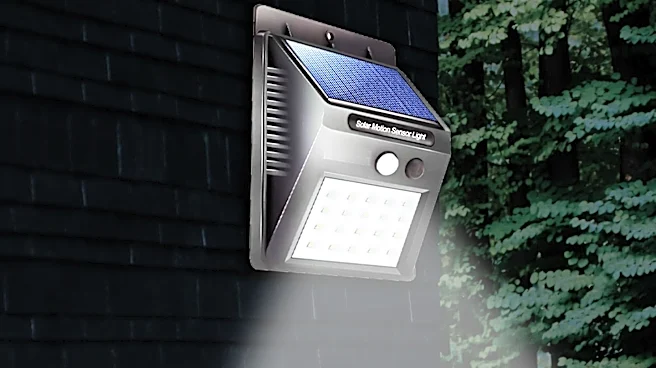
Homeowners in Ohio are increasingly adopting pet-safe motion sensors as a solution to maintain robust home security without triggering false alarms caused by pets. Traditional motion detectors often sense any movement, including that of animals, leading
to unnecessary alerts. Pet-safe motion sensors, however, utilize advanced technology to differentiate between human and pet movement. These sensors are calibrated to ignore pets below a certain weight or size, typically up to 40 or 80 pounds, depending on the model. The technology behind this involves a combination of infrared detection and intelligent algorithms that analyze the size, speed, and heat signature of moving objects. This allows the system to disregard small, fast-moving animals like dogs and cats, significantly reducing false alarms and providing a more reliable security system.
Why It's Important?
The integration of pet-safe motion sensors is crucial for Ohio homeowners with pets, as it addresses a common frustration with traditional security systems: false alarms. These false alarms can lead to unnecessary stress, potential fines from local authorities, and a diminished trust in the security system's reliability. By minimizing these occurrences, pet-safe sensors enhance peace of mind, allowing pets to move freely within the home without compromising security. This approach ensures continuous protection, whether residents are home or away. Furthermore, investing in pet-safe motion sensors can be a cost-effective solution in the long run by avoiding service fees or fines associated with false alarms. This technology allows for a layered security approach when combined with other features like window and door sensors, glass break detection, and video surveillance cameras, creating a comprehensive and pet-friendly security system.
What's Next?
As the demand for pet-friendly security solutions grows, the market is likely to see further advancements in pet-safe motion sensor technology. This could include more precise calibration options for various pet sizes and species, improved integration with smart home automation systems, and enhanced AI-driven algorithms for even more accurate human-pet differentiation. Consumers will likely have more choices in customizable pet immunity settings to suit their specific needs and home layouts. Security providers, such as Prudential Alarm in Ohio, will continue to offer expert consulting and installation services, ensuring proper sensor placement and calibration for optimal performance. The trend towards comprehensive, integrated security systems that accommodate pets is expected to continue, with potential positive impacts on home insurance policies for homeowners demonstrating proactive risk management.
Beyond the Headlines
The development of pet-safe motion sensors highlights a broader trend in technology: the increasing personalization and adaptability of smart home devices to individual lifestyles and needs. This innovation reflects a growing understanding that security solutions must integrate seamlessly into daily life, rather than imposing restrictions. Beyond the practical benefits of reducing false alarms, these sensors contribute to a more harmonious living environment for both humans and their animal companions. Ethically, it underscores the importance of designing technology that considers the well-being of all household members, including pets. This focus on user-centric design, coupled with advanced AI capabilities, sets a precedent for future smart home technologies that are not only effective but also considerate of diverse household dynamics and privacy concerns.