






What's Happening?
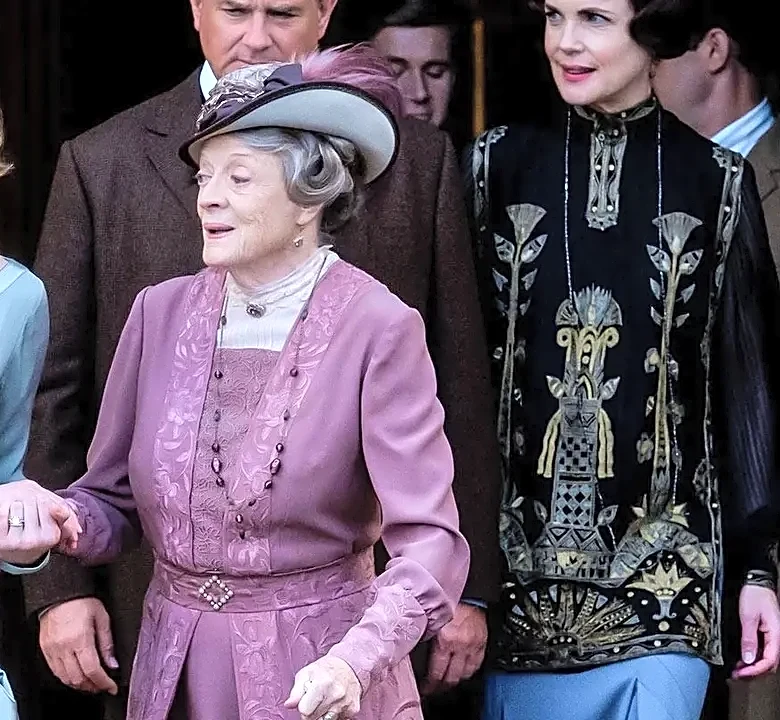
In a significant social maneuver, Bertha Russell has successfully taken over the hosting duties for a presidential dinner from Agnes van Rhijn. This development occurs as Agnes's plans to host President Grover Cleveland are jeopardized by unfavorable
newspaper coverage, which questions her suitability as a hostess due to her old-fashioned approach. Bertha, leveraging her connections within the Heritage Society and utilizing modern technology like the telephone, arranges to transfer the prestigious event to her own, more modern residence. The White House and the Heritage Society ultimately agree to the change, leaving Agnes furious but outmaneuvered. This event highlights the ongoing social rivalry between the established old money and the ambitious new money in Gilded Age New York, with Bertha consistently demonstrating her strategic prowess in navigating and manipulating high society.
Why It's Important?
This social power play is important because it underscores the shifting dynamics of power and influence in Gilded Age New York. Bertha Russell, representing the 'new money,' consistently challenges the established 'old money' elite, personified by Agnes van Rhijn. Bertha's success in securing the presidential dinner not only elevates her family's social standing but also demonstrates the growing importance of wealth and modern influence over traditional lineage and rigid social customs. This event reflects a broader societal transformation where industrial wealth and strategic networking began to eclipse inherited status. It also illustrates how social events were not merely gatherings but crucial battlegrounds for asserting dominance and shaping public perception, with significant implications for the social and political landscape of the era.
What's Next?
The fallout from Bertha's successful coup is expected to intensify the rivalry between the Russell and van Rhijn households. Agnes van Rhijn, known for her strong will and adherence to tradition, is unlikely to accept this defeat gracefully, potentially leading to further retaliatory actions or increased social friction. Bertha, having secured this victory, will likely continue to consolidate her family's position within New York society, possibly seeking to expand her influence in other spheres. This event could also have implications for George Russell's business dealings, as Bertha's social connections are increasingly becoming an asset in his financial struggles, particularly with figures like John D. Rockefeller and the threat of government intervention against monopolies.
Beyond the Headlines
Beyond the immediate social drama, this event subtly explores the theme of progress versus tradition. Bertha's embrace of new technologies, such as the telephone, and her willingness to adapt to changing social norms contrast sharply with Agnes's staunch traditionalism. This conflict reflects the broader societal tensions of the Gilded Age, where rapid industrialization and technological advancements were challenging established ways of life. The episode also touches on the role of media, with 'The Ladies' Home Journal' acting as a powerful arbiter of social reputation, akin to modern-day tabloids or social media. This highlights how public perception, shaped by media, could significantly impact an individual's standing in society, regardless of their actual social lineage or wealth.