


What's Happening?
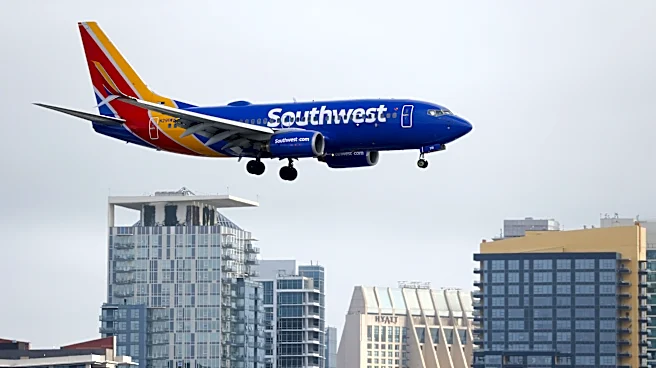
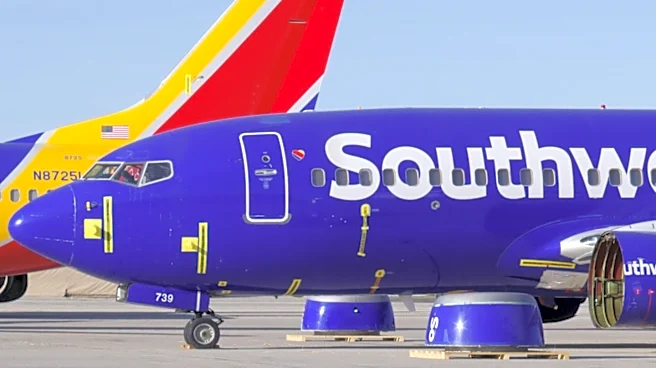
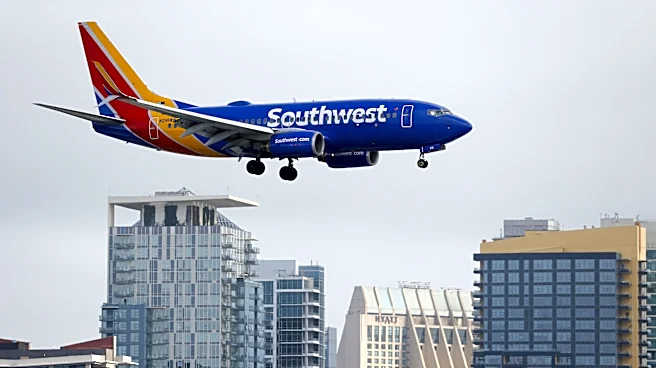
Southwest Airlines is undergoing a significant transformation, moving away from its traditional low-cost carrier model. This shift includes the elimination of its open seating and two-bags-fly-free policies, which were reportedly scrapped by early 2026
following years of unprofitable earnings. The airline is now repositioning itself as a full-service carrier, with plans to introduce its first airport lounges in 2027. Additionally, Southwest has expanded its flight booking window to 11 months, departing from the batch-style flight pricing model previously used by low-cost airlines. This change means that instead of releasing flight schedules in batches, the airline will now operate on a rolling calendar, allowing customers to book flights further in advance. This strategic pivot has been influenced by pressure from activist investor and hedge fund Elliott Investment Management.
Why It's Important?
This strategic overhaul by Southwest Airlines carries significant implications for the U.S. airline industry and its consumers. By abandoning its long-standing low-cost policies, Southwest is directly competing with established full-service carriers, potentially intensifying competition in a market already characterized by high-stakes routes. For consumers, the loss of free checked bags and open seating removes key differentiators that attracted many to Southwest, potentially leading to higher overall travel costs or a shift in customer loyalty. The move to an 11-month booking window, while aligning with industry standards, also signals a more predictable pricing structure, moving away from the dynamic batch pricing that could sometimes offer last-minute deals. This transformation could redefine Southwest's market position and influence pricing strategies across the domestic airline sector, impacting both budget-conscious travelers and those seeking premium services.
What's Next?
Southwest Airlines is set to open its first airport lounges in 2027, a move that will further solidify its transition to a full-service model. The airline will continue to operate with an 11-month rolling flight schedule, with the next batch extension expected to drop on December 17, covering flights until November 6, 2027. This new scheduling approach will advance daily, mirroring the practices of mainstream airlines. The airline is also expected to continue investing in its loyalty program and fostering partnerships with international carriers like Icelandair and French bee. These changes suggest a sustained effort to attract a broader customer base and compete more directly with legacy airlines, potentially leading to further adjustments in its service offerings and pricing strategies in the coming years.
Beyond the Headlines
The transformation of Southwest Airlines from a low-cost pioneer to a full-service competitor reflects a broader trend in the airline industry where the lines between different service models are blurring. This shift could lead to a homogenization of airline services, potentially reducing consumer choice for truly budget-friendly options. The influence of activist investors like Elliott Investment Management highlights the increasing pressure on airlines to prioritize profitability and shareholder value, even if it means abandoning core principles that built their brand and customer loyalty. This development also raises questions about the long-term viability of the pure low-cost carrier model in a highly competitive and regulated market, suggesting that even the most iconic budget airlines may need to adapt significantly to survive and thrive.