




What's Happening?
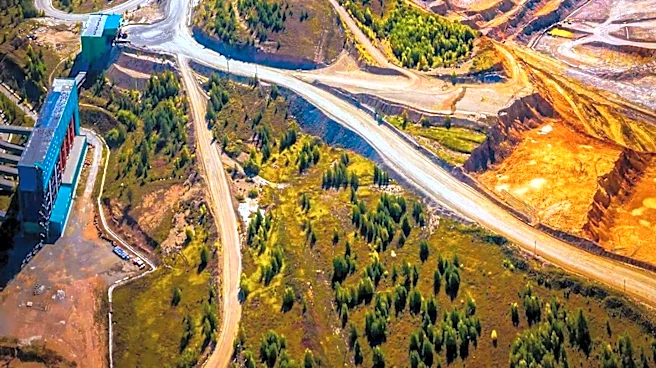
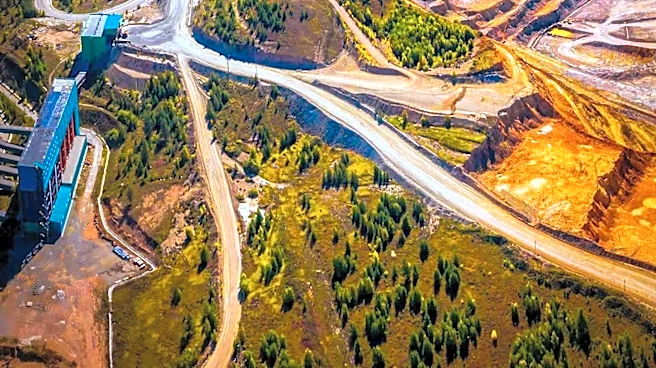
Freeport-McMoRan has sanctioned a substantial $4.5 billion expansion project for its Bagdad copper and molybdenum mine located in Arizona. This strategic investment aims to elevate the mine's annual copper production to over 400 million pounds, with initial
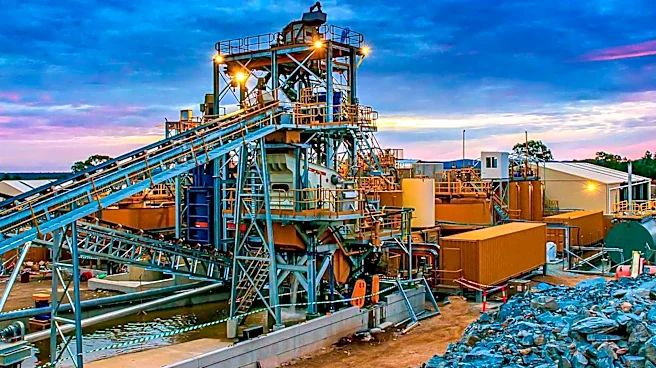
output from the expanded operations anticipated by mid-2030. The decision, made by the company's board on November 4, commits Freeport to a significant enlargement of its wholly-owned facility in northwest Arizona. The expansion is projected to contribute an additional 225 million pounds of copper annually, positioning the Bagdad mine as the second-largest copper producer in the U.S., trailing only Freeport's own Morenci operation. The project's core involves more than doubling Bagdad's mining and milling rates, centered around a new concentrator that will provide approximately 115,000 metric tons per day of additional processing capacity. Complementary infrastructure, including a primary crusher, overland conveyor, and expanded water and power systems, along with new mining equipment, are also part of the comprehensive plan.
Why It's Important?
This $4.5 billion expansion by Freeport-McMoRan is a significant development for the U.S. mining sector and the broader economy. The projected increase in copper output from the Bagdad mine will bolster domestic supply, potentially reducing reliance on foreign imports and enhancing national resource security. Copper is a critical material for numerous industries, including electronics, construction, and renewable energy technologies, making a stable and increased domestic supply vital for economic growth and technological advancement. The investment also signifies a long-term commitment to Arizona's economy, creating jobs during the construction phase and sustaining employment in the operational phase. Furthermore, the expansion includes a substantial increase in molybdenum production, a metal crucial for steel alloys and other industrial applications. This dual-metal output profile adds to the strategic importance of the project, diversifying the U.S. supply chain for these essential raw materials. The project's scale and its potential to reshape the U.S. copper production hierarchy underscore its importance for industrial stakeholders and national economic resilience.
What's Next?
The immediate focus for Freeport-McMoRan will be the execution of the construction phase, which is estimated to span approximately three and a half years. Key milestones will include the delivery of the new processing plant and the supporting infrastructure. While the board authorization sets the capital allocation, the company will need to navigate regulatory approvals and ensure timely project completion to meet the mid-2030 initial production target. Disclosed construction updates and spending reports will be crucial indicators of progress. The successful integration of new processing capacity with higher mining rates and expanded utilities will be paramount. The company's ability to convert this board decision into sustained higher output will determine the practical significance of the expansion, particularly its impact on the U.S. copper production landscape and its position relative to other major mines.
Beyond the Headlines
The substantial investment in the Bagdad mine highlights a broader trend of strengthening domestic supply chains for critical minerals, driven by geopolitical considerations and the increasing demand for materials essential to green technologies. This expansion could set a precedent for other mining companies to invest in existing U.S. operations, fostering a more robust domestic mining industry. However, such large-scale projects also raise environmental considerations, particularly regarding water usage in arid regions like Arizona and the overall ecological footprint of expanded mining activities. The long-term implications for local communities, including potential impacts on infrastructure and social services, will also be a key area of focus. The project's success could influence future policy decisions regarding mining permits, environmental regulations, and incentives for domestic resource extraction, balancing economic benefits with environmental stewardship and community well-being.