



What's Happening?
Gardeners in Loudoun County are preparing their roses for winter dormancy, following advice from Pam Powers, president of the Arlington Rose Foundation and a nationally recognized rose expert. Powers recently conducted a workshop titled “Putting Roses
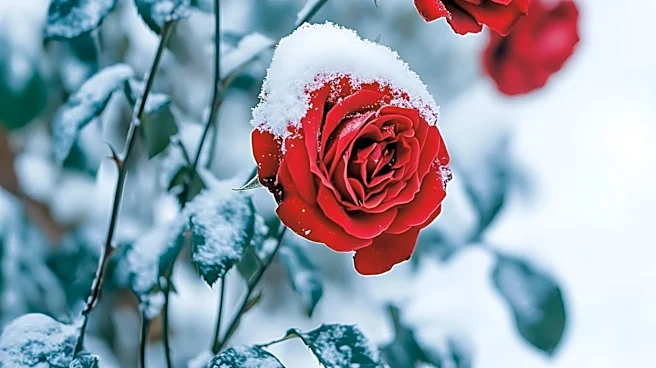
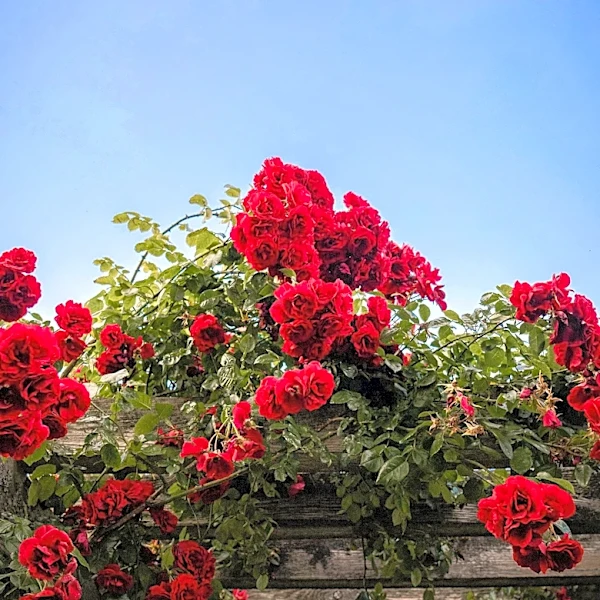
to Bed” at Abernethy & Spencer Greenhouse and Garden Center in Purcellville. Her recommendations include stopping granular fertilizer around Labor Day and liquid fertilizer by late September to signal to roses that dormancy is approaching, preventing new growth that would be vulnerable to cold. Gardeners are also advised to cease deadheading faded blooms, as some varieties produce colorful rose hips that provide winter interest and food for birds. Essential housekeeping tasks involve removing fallen leaves and garden debris to prevent disease and pests, and checking soil pH, aiming for an ideal range of 6.25 to 7. Around Thanksgiving, a light cosmetic trim is recommended for most modern roses to remove unruly canes, while serious pruning is deferred until March. Finally, a generous layer of mulch around the base and lower stems of rose bushes is crucial for protection against freezing temperatures, with potted roses requiring extra insulation.
Why It's Important?
Proper winter care for roses, as outlined by Pam Powers, is vital for the health and longevity of rose gardens across the U.S., particularly in regions with unpredictable winter weather like Northern Virginia. The guidance on timing fertilizer cessation and pruning helps gardeners prevent plant damage and loss, which can be a significant investment in time and resources. This proactive approach to winterization ensures that roses can return to bloom year after year, contributing to the aesthetic value of private gardens and public spaces. The emphasis on natural processes, such as allowing rose hips to form for wildlife, also highlights a growing trend towards ecological gardening practices that support local ecosystems. For the horticultural industry, expert advice from figures like Powers drives sales of appropriate tools, mulches, and soil amendments, while also promoting educational workshops that enhance gardening skills. The reintroduction of historic varieties like the Niphetos rose, once difficult to find due to cold sensitivity, underscores the importance of dedicated enthusiasts and proper care techniques in preserving horticultural heritage and expanding plant diversity available to American gardeners.
What's Next?
As winter approaches, Loudoun County gardeners will be implementing the recommended practices, focusing on mulching and light pruning to protect their roses. The success of these winterization efforts will be evident in the spring, with healthy, re-blooming roses. Abernethy & Spencer Greenhouse and Garden Center, having hosted the rose care workshop, is now shifting its focus to holiday traditions, offering wreath-making workshops throughout November and December. This diversification of offerings indicates a seasonal business strategy common among garden centers, catering to different customer needs throughout the year. The center also plans to continue offering workshops throughout the winter and beyond, suggesting a sustained commitment to community engagement and horticultural education. This ongoing educational outreach will likely foster a more knowledgeable gardening community, leading to better plant care and more resilient gardens. The reintroduction of historic roses like Niphetos, facilitated by dedicated enthusiasts, may inspire further efforts to preserve and cultivate other rare or sensitive plant varieties, enriching the horticultural landscape.
Beyond the Headlines
The practice of preparing roses for winter, often seen as a routine gardening task, carries deeper implications about human interaction with nature and the value placed on beauty and resilience. Pam Powers' analogy of winter rose care as 'insurance' reflects a pragmatic yet caring approach to nurturing living things, highlighting the investment of effort and emotion in gardening. The historical narrative of the Niphetos rose, linked to America's Unknown Soldier, imbues a specific plant variety with national and emotional significance, demonstrating how plants can become symbols of memory and dedication. This connection elevates gardening beyond a mere hobby to an act of cultural preservation. The shift towards understanding and accommodating a plant's natural cycles, such as dormancy, rather than forcing continuous growth, reflects a more harmonious relationship with the environment. This approach encourages patience and observation, fostering a deeper appreciation for the rhythms of nature. Ultimately, the act of 'putting roses to bed' is a testament to the enduring human desire to cultivate beauty and find solace in the natural world, even in the face of unpredictable elements.