






What's Happening?
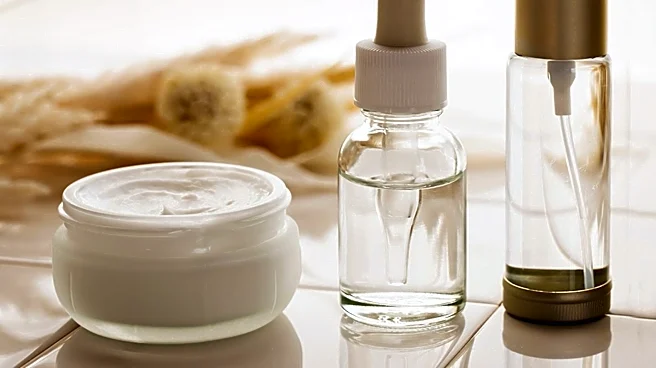
A new report by AlixPartners and CEW (Cosmetic Executive Women) reveals a significant disconnect between beauty, health, and wellness (BHW) executives and consumers in the U.S. The study, titled 'The Extract: Beauty × Health × Wellness 2026,' surveyed
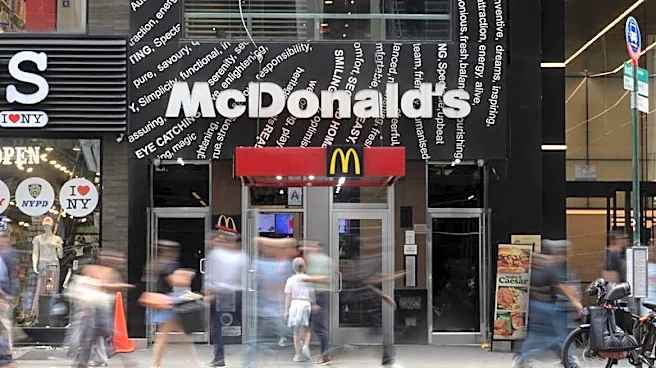
1,000 consumers and nearly 130 BHW executives. It found that while executives consistently rank influencers as a top channel for product discovery, consumers place influencers fifth, behind friends and family, healthcare practitioners, social media ads, and online searches. Influencers barely registered at 32% among consumers, tying with online search, despite representing a large portion of industry marketing budgets. This indicates that brands view community as a distribution channel, whereas consumers see it as a validation mechanism, preferring peer recommendations and trusted healthcare professionals over curated influencer aesthetics. The report also highlights the rapid growth of medspas, now rivaling McDonald's locations in the U.S., and a significant increase in BHW spending by Gen Z and Millennial men.
Why It's Important?
This misalignment in marketing strategy has substantial implications for the U.S. beauty, health, and wellness industry. Executives are overinvesting in influencer marketing, potentially leading to inefficient allocation of resources and missed opportunities to connect with consumers through more trusted channels. The report suggests that brands should shift their focus towards fostering genuine community, facilitating peer recommendations, and engaging with healthcare practitioners. The rise of medspas as a primary point of engagement signifies a fundamental change in how consumers access BHW services, moving away from traditional retail. Furthermore, the increasing engagement and spending power of young men in the BHW sector, often overlooked by the industry, represents a significant growth opportunity. Ignoring these shifts could lead to brands losing market share and failing to meet evolving consumer demands, particularly as consumers prioritize BHW spending above other discretionary categories like travel and fashion.
What's Next?
The findings suggest that BHW companies need to re-evaluate their marketing and engagement strategies. Brands should consider redirecting marketing spend from over-reliance on influencers to channels that consumers actually trust, such as peer recommendations and endorsements from healthcare practitioners. There is an opportunity for brands to invest in building authentic community spaces and integrating with the growing medspa model, which consumers increasingly favor for personalized and practitioner-led services. Additionally, the industry must acknowledge and cater to the burgeoning male demographic in BHW, which is driving significant market growth through subscriptions and protocols. Companies that adapt to these consumer-driven shifts, focusing on trust, integrated solutions, and genuine connection, are likely to gain a competitive advantage in the evolving BHW landscape.
Beyond the Headlines
The report uncovers a deeper societal shift where beauty, health, and wellness have transitioned from discretionary luxuries to essential components of identity and daily life for many Americans. This 'identity cornerstone' status means consumers are willing to prioritize BHW spending even over other significant expenses. The 'pharmification effect,' driven by the rise of GLP-1 drugs, has reset consumer expectations for rapid and effective results across all BHW categories, creating a challenge for brands with slower clinical timelines. The ethical dimension of influencer marketing is also implicitly raised, as consumers express skepticism towards 'paid actors' and seek human support and expert validation. This highlights a growing demand for authenticity and transparency in an industry often characterized by curated images and aspirational, yet potentially misleading, content. The industry's ability to bridge this trust gap will be crucial for long-term success.