





What's Happening?
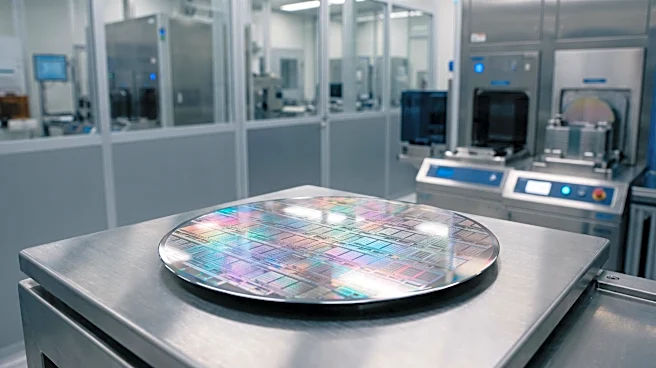
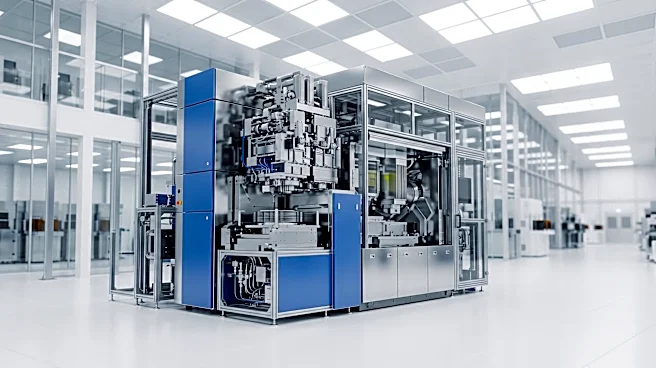
United Microelectronics Corporation (UMC), a Taiwan-based semiconductor foundry, continues to operate as a 'pure-play' manufacturer, producing chips designed by other companies rather than selling its own branded products. UMC specializes in mature and specialty
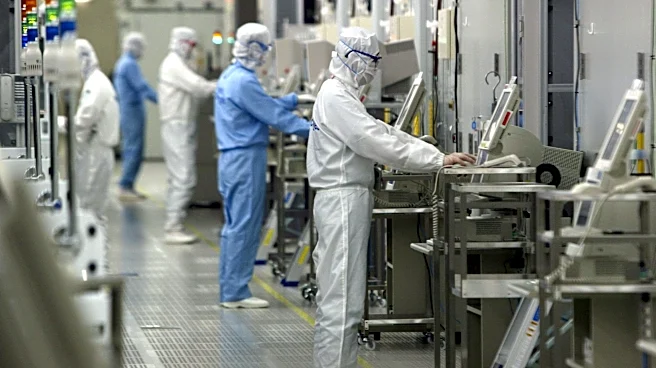
process technologies, typically at 28-nanometer nodes and above, focusing on cost-effectiveness and reliability over the smallest feature sizes. Its offerings include logic and mixed-signal processes, radio-frequency silicon-on-insulator, embedded high-voltage and non-volatile memory, bipolar-CMOS-DMOS power processes, and CMOS image sensors. These technologies support applications in 5G networking, IoT devices, automotive electronics, and display drivers. The company serves a diverse customer base of fabless designers and integrated device makers across communications, consumer, computing, automotive, and industrial sectors. UMC operates approximately 12 fabrication plants in Taiwan, Singapore, China, and Japan, with a monthly capacity exceeding 400,000 wafers on a 12-inch equivalent basis. In fiscal year 2025, UMC reported revenues of approximately US$7.6 billion.
Why It's Important?
UMC's role as a pure-play foundry provides a direct avenue for exposure to the semiconductor manufacturing sector without the concentration risk associated with a single chip designer. Its business model benefits from consistent demand in critical sectors such as automotive, industrial, communications, and consumer electronics. The company's leadership in specialty-node technologies, which prioritize reliability and cost-effectiveness, is crucial for industries where longer product cycles are common. Furthermore, UMC's diversified manufacturing footprint across multiple countries enhances supply-chain resilience, a significant factor given recent global disruptions. Its broad customer mix reduces dependence on any single buyer, contributing to greater stability. The semiconductor industry, however, remains cyclical, with foundry results closely tied to broader economic conditions and end-market fluctuations. Strong competition, particularly from larger players and other Asian foundries, along with geopolitical considerations due to its significant capacity in Taiwan and the Asia-Pacific region, are ongoing challenges.
What's Next?
The semiconductor sector is expected to continue facing cyclical pressures, requiring UMC to navigate economic conditions and end-market swings. The company will need to manage strong competition from larger foundries and other Asian competitors. Geopolitical factors, particularly concerning its manufacturing base in Taiwan and the broader Asia-Pacific region, will remain a significant consideration for its operations and supply chain stability. UMC's business model necessitates ongoing heavy capital expenditure for equipment and facilities to maintain its technological capabilities and production capacity. Future partnerships, such as its 2024 collaboration with Intel on a 12-nanometer process, indicate a strategy to expand its technological offerings and market reach. Investors holding American Depositary Receipts (ADRs) of UMC will also need to consider additional elements such as currency fluctuations and potential variations in governance and reporting standards compared to direct share ownership.
Beyond the Headlines
UMC's historical trajectory, from its founding in 1980 as a spin-off from Taiwan's Industrial Technology Research Institute to becoming a pure-play foundry, highlights Taiwan's foundational role in the global semiconductor industry. Its shift in the 1990s from an integrated device manufacturer to a pure-play model was a strategic move that helped shape the modern chip economy. The company's emphasis on mature and specialty technologies, rather than solely pursuing cutting-edge nodes, underscores a critical segment of the market that values stability, cost, and proven reliability for a wide array of electronic devices. This approach allows UMC to serve a diverse range of applications, from everyday consumer electronics to critical automotive and industrial components, demonstrating the multifaceted nature of semiconductor demand. The ongoing need for heavy capital investment in the semiconductor industry also raises questions about long-term sustainability and the potential for consolidation among foundries.