







What's Happening?
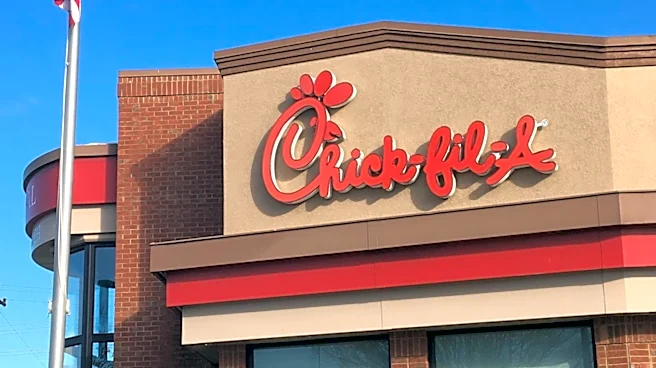
The Jonesboro Board of Zoning Adjustments has approved three variances, clearing the way for the construction of a new Chick-fil-A restaurant at 3504 Southern Creek Lane. Brent Edmiston, representing Chick-fil-A, presented the 1.8-acre project, which
will feature the company's 'P15' prototype. This design emphasizes an 'isolated drive-thru' system to separate drive-thru traffic from dine-in customers, incorporating a designated queue that is 60% higher than minimum standards to prevent vehicles from overflowing onto public streets. Project engineer Allan Wiley of GBC Design requested the variances. The first variance eliminates a required cross-access connection with the adjacent Tommy’s Car Wash, as connecting the properties would direct drive-thru traffic into incoming car wash traffic. The second variance allows a curb cut closer than the city's standard 85 feet from an intersection, providing direct access to the drive-thru entrance. The third variance addresses a city code restricting properties to three access points, with the plan utilizing two entrances and one exit for efficiency and to keep drive-thru traffic separate from dine-in parking. Following a vote, the board approved all three variances.
Why It's Important?
This decision is important for Jonesboro's local economy and urban planning. The approval of variances for a new Chick-fil-A signifies continued commercial development and investment in the area, potentially creating new jobs and increasing local tax revenue. The specific design of the 'P15' prototype, with its emphasis on managing drive-thru traffic, reflects a growing concern in urban planning about traffic congestion caused by popular fast-food establishments. By proactively addressing potential traffic issues with an oversized queue and strategic access points, the city aims to mitigate negative impacts on surrounding public streets and local businesses. This approach could set a precedent for future commercial developments in Jonesboro, influencing how other businesses design their layouts to integrate more smoothly into existing infrastructure. For residents, the new restaurant offers another dining option, while for the city, it represents a balance between facilitating business growth and maintaining urban flow and safety.
What's Next?
With the variances approved, Chick-fil-A can now proceed with the construction of its new restaurant at 3504 Southern Creek Lane in Jonesboro. The next steps will likely involve obtaining necessary building permits, finalizing construction plans, and commencing the physical development of the site. The implementation of the 'P15' prototype, with its advanced traffic management features, will be closely watched as a model for how high-volume businesses can operate within urban environments. Other businesses and developers in Jonesboro may observe the effectiveness of this design in managing customer flow and traffic, potentially influencing future commercial development proposals in the city. The opening of the new Chick-fil-A will also bring new employment opportunities to the area and contribute to the local economy through increased consumer spending and tax revenue. The community will anticipate the completion of the project and the opening of the new establishment.
Beyond the Headlines
The approval of these variances highlights a broader trend in urban development where cities are adapting their zoning regulations to accommodate modern business models, particularly those with high traffic volumes like popular drive-thru restaurants. The 'P15' prototype's focus on an 'isolated drive-thru' and extended queuing capacity reflects a strategic response to the challenges posed by increased reliance on drive-thru services, a trend accelerated by recent societal shifts. This move by Jonesboro's zoning board demonstrates a pragmatic approach to urban planning, balancing the desire for economic growth and consumer convenience with the need to maintain public safety and traffic efficiency. It also underscores the evolving relationship between local governance and corporate development, where specific design innovations are becoming crucial for gaining regulatory approval. This could lead to more flexible and adaptive zoning codes in other U.S. cities, encouraging businesses to invest in infrastructure that minimizes their operational impact on local communities.