



What's Happening?
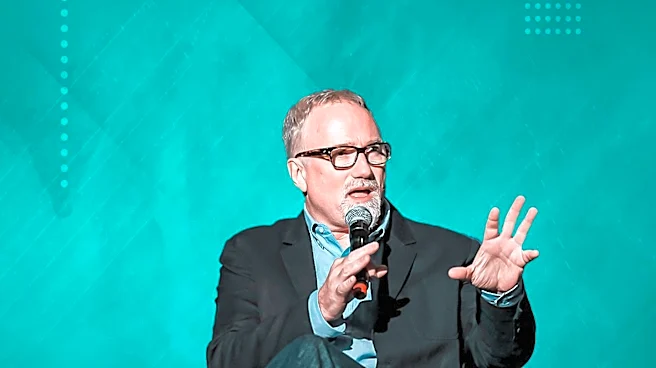
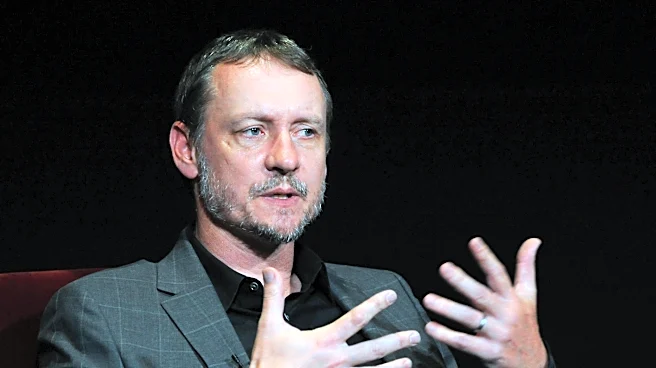
Filmmaker David Fincher recently disclosed that Netflix executives urged him to make the series 'Mindhunter' more akin to 'CSI' to broaden its audience and justify its substantial production costs. During an appearance on the 'Happy Sad Confused' podcast,
Fincher explained that the show's budget escalated significantly over its two seasons, reaching approximately $100 million per season. Netflix, recognizing a dedicated but relatively small audience of two million viewers, questioned how to expand the show's appeal. Fincher recounted a conversation where Netflix asked if the characters could engage in more action-oriented scenarios, such as pursuing suspects with guns, to which he firmly declined, stating it was not the nature of the series. This interaction highlights the tension between creative vision and commercial viability in streaming content production. Fincher's remarks suggest that a third season of 'Mindhunter' is highly improbable, despite earlier hopes from cast members like Holt McCallany for a return in a movie format.
Why It's Important?
This revelation from David Fincher underscores a critical challenge facing the streaming industry: balancing high-quality, niche content with the need for broad audience engagement to justify significant financial investments. 'Mindhunter' was critically acclaimed for its nuanced psychological exploration of serial killers, a style that Fincher indicates Netflix sought to alter for wider appeal. This situation reflects a broader trend where streaming platforms, initially lauded for fostering diverse and experimental storytelling, are increasingly prioritizing content with mass market potential. For creators, it signifies potential pressure to compromise artistic integrity for commercial viability. For viewers, it suggests that unique, character-driven dramas with smaller, dedicated fan bases might be at risk of cancellation if they don't achieve mainstream success. The high production costs associated with premium series, coupled with the competitive landscape of streaming, force platforms to make difficult decisions about which shows to renew and how to shape their content strategy.
What's Next?
Given David Fincher's explicit statements, a third season of 'Mindhunter' appears highly unlikely. Fincher's condition for a return—requiring 10 million people to each send him $10—serves as a metaphorical dismissal of the possibility under current circumstances. This effectively closes the door on the series for the foreseeable future, disappointing its dedicated fanbase. The broader implication for Netflix and other streaming services is a continued focus on data-driven content decisions, where audience size and engagement metrics heavily influence renewal choices. This could lead to a more homogenized content library, favoring shows with broader appeal over those with critical acclaim but limited viewership. Creators of niche, high-budget productions may face increased scrutiny and pressure to adapt their visions to meet commercial targets, potentially leading to fewer unique and experimental series being greenlit or renewed.
Beyond the Headlines
The 'Mindhunter' situation illuminates a deeper philosophical debate within the entertainment industry regarding the value of art versus commerce. Fincher's refusal to 'make concessions to get closer to 'CSI'' highlights a creator's commitment to artistic vision, even when faced with significant financial pressure from a major platform. This tension is not new, but it is amplified in the streaming era where vast sums are invested in content, and success is often measured by subscriber growth and retention. The incident also raises questions about the sustainability of the 'golden age of television,' where platforms could afford to take risks on critically acclaimed but less universally popular shows. As streaming services mature, they may increasingly adopt traditional broadcast network models, prioritizing broad appeal and predictable returns over innovative, niche storytelling. This could lead to a shift in the types of stories told and the creative freedom afforded to filmmakers.