









What's Happening?
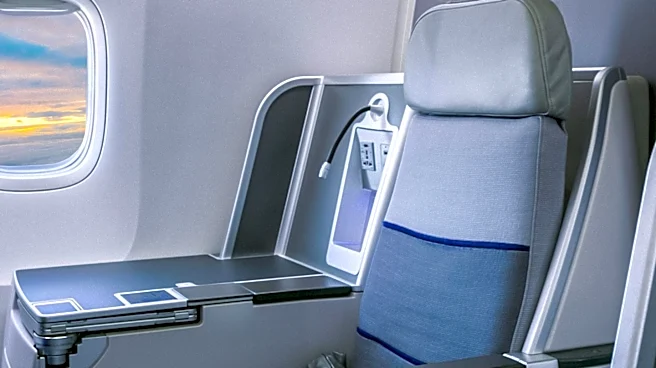
Delta Air Lines is planning to significantly expand its premium cabin offerings on its future Airbus A330-900neo aircraft. The airline's next batch of A330-900neos, with deliveries expected to begin in 2029, will feature 56 Delta One Suites, nearly doubling
the current configuration of 29 suites on its existing A330-900neos. This move aligns Delta with a growing trend among major U.S. carriers, including American Airlines and United Airlines, to create premium-heavy widebody subfleets. The decision is driven by strong demand for premium products, particularly on international routes such as London, and follows the success of Delta's domestic premium cabins, including a 44-seat First Class configuration on its A321neos. While the full seat map for the new configuration is not yet available, the substantial increase in Delta One Suites will necessitate a reduction in other cabin classes.
Why It's Important?
This strategic shift by Delta Air Lines is important for several reasons. Firstly, it signifies a strong belief in the sustained demand for premium travel, both for business and affluent leisure travelers, indicating that the 'premium travel boom' is seen as structural rather than temporary. This could lead to increased revenue for Delta, as premium seats typically yield higher profit margins. Secondly, it intensifies competition among U.S. airlines in the premium segment, potentially prompting other carriers to further enhance their own premium offerings to remain competitive. This focus on premium cabins could also influence aircraft manufacturers to design more flexible cabin layouts. Lastly, for passengers, this means more opportunities to experience Delta's top-tier service, particularly on long-haul international flights, though it may also lead to fewer economy seats on these specific aircraft, potentially impacting pricing and availability for budget-conscious travelers.
What's Next?
As Delta prepares for the delivery of these new A330-900neos starting in 2029, the airline will need to finalize the complete cabin configuration, which will involve determining the allocation of Premium Select, Delta Comfort, and Main Cabin seats. The success of this strategy will depend on Delta's ability to effectively price and fill these 56 Delta One Suites, especially during off-peak seasons or on less popular routes. Competitors like American Airlines and United Airlines, who have already adopted similar premium-heavy strategies, will be closely watching Delta's implementation and market response. This move could also influence Delta's future aircraft orders and cabin retrofit plans for its existing fleet, as the airline aims for 90% of Delta One seats to feature sliding privacy doors by 2030. The long-term impact on passenger experience, airline profitability, and competitive dynamics within the U.S. airline industry will unfold over the coming years.
Beyond the Headlines
Delta's significant investment in premium cabins reflects a broader transformation in the airline industry, moving away from a sole focus on maximizing passenger volume towards optimizing revenue per passenger. This strategy acknowledges the changing demographics of air travelers, with a growing segment willing to pay more for comfort, privacy, and enhanced services. The emphasis on premium offerings also highlights the airlines' efforts to differentiate themselves in a highly competitive market, where basic economy fares often lead to price wars. Ethically, this shift raises questions about accessibility and equity in air travel, as a greater proportion of aircraft space is dedicated to higher-paying customers, potentially reducing options or increasing costs for economy travelers. Culturally, it reinforces the perception of air travel as a tiered experience, where luxury and exclusivity are increasingly prioritized. This trend could lead to a long-term reshaping of airline business models, with a greater emphasis on personalized, high-value services.