
What's Happening?
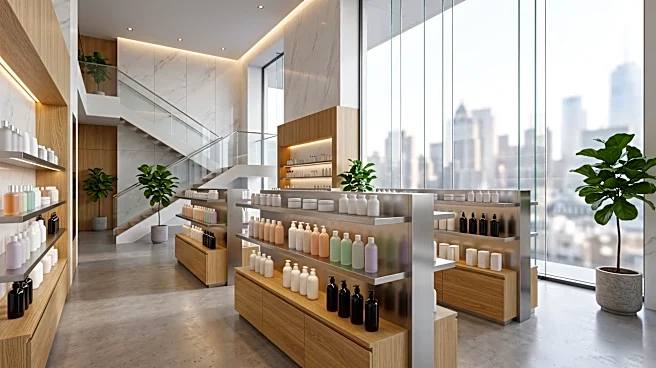
Fashion retailer Musinsa has opened its inaugural physical beauty store in Hongdae, South Korea, dedicating four stories entirely to beauty products. This new retail channel includes Beauty Onnuri Pharmacy
in the basement, a K-beauty-focused concept operated by Korea’s Onnuri Pharmacy franchise. The pharmacy offers one-on-one consultations, including multilingual services for international visitors, and handles medicines and products requiring professional guidance. The upper floors feature skincare, makeup, and health-related products from approximately 600 brands. Musinsa chose Hongdae due to its high concentration of international visitors and young beauty consumers, particularly women in their 20s and 30s, who prefer to experience products offline. This expansion follows the success of Musinsa's beauty zone at its Mega Store in Seongsu, Seoul, where sales increased by 20% in August from April. Additionally, online sales for about 500 beauty brands on Musinsa's platform rose by 35% in three weeks after the Seongsu beauty zone opened, indicating that offline exposure drives online sales.
Why It's Important?
This strategic move by Musinsa highlights a significant trend in the K-beauty market, where fashion platforms are increasingly integrating physical retail spaces to capitalize on growing consumer interest. The emphasis on in-person product experience and personalized consultations, especially with multilingual services, caters to a diverse customer base, including international tourists, which is crucial for market expansion. The success of the Seongsu beauty zone and the subsequent boost in online sales demonstrate the synergistic relationship between online and offline retail in the beauty sector. This model could influence other U.S. and international retailers to adopt similar hybrid strategies, blending e-commerce with experiential physical stores to enhance customer engagement and drive sales. The focus on specific ingredients and tailored advice also reflects a broader consumer demand for specialized and effective skincare solutions, pushing brands to innovate and offer more targeted products.
What's Next?
Musinsa's new Hongdae store is expected to further solidify its position in the competitive K-beauty market and potentially serve as a blueprint for future retail expansions. The company will likely monitor the performance of this new location, particularly its ability to attract international visitors and young consumers, to inform subsequent strategic decisions. Other fashion and beauty retailers in South Korea and globally may observe Musinsa's success to adapt their own retail strategies, potentially leading to a proliferation of similar hybrid online-to-offline models. The continued growth in demand for K-beauty products, driven by both domestic and international consumers, suggests that more brands will invest in innovative retail experiences and product offerings to capture market share. The integration of pharmacy services within a beauty retail space could also become a more common trend, offering consumers a holistic approach to beauty and wellness.
Beyond the Headlines
The opening of Musinsa's physical beauty store in Hongdae reflects a deeper shift in consumer behavior, where the tactile experience of shopping remains vital even in an increasingly digital world. For the U.S. market, this trend suggests that while online shopping offers convenience, physical stores provide an invaluable opportunity for brand immersion, product testing, and personalized interaction, which are particularly important for beauty products. The emphasis on catering to international visitors also underscores the global appeal of K-beauty and the importance of cultural sensitivity and multilingual services in retail. This development could inspire U.S. beauty brands and retailers to re-evaluate their physical footprints, focusing on creating engaging, experience-driven spaces that complement their online presence. Furthermore, the success of affordable beauty products, as seen with Daiso's strategy, indicates a growing market segment that values both quality and accessibility, potentially influencing product development and pricing strategies in the U.S. beauty industry.