





What's Happening?
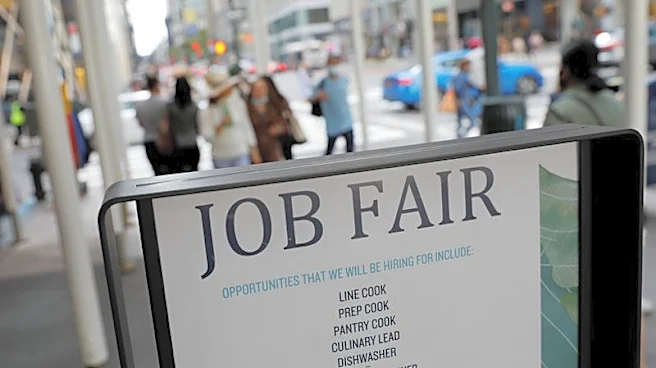
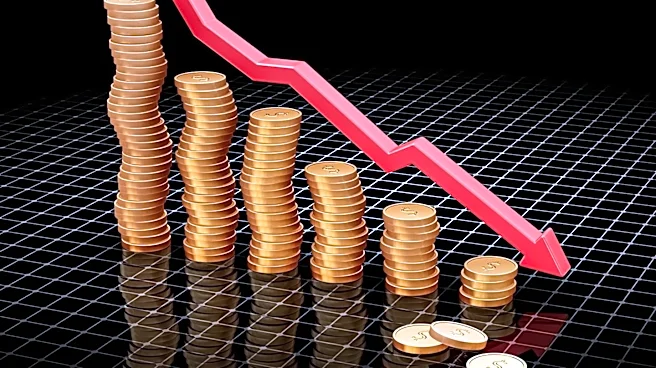
The U.S. economy experienced a loss of 23,000 jobs in July, with significant impacts on the housing market. According to the Bureau of Labor Statistics, the job losses were primarily concentrated in local government education and retail trade, while the healthcare
sector continued to add jobs. Despite the decline in payrolls, broader labor market measures remained stable, with the unemployment rate holding at 4.1%. Economists suggest that the softer hiring trends may influence the Federal Reserve's monetary policy, potentially easing mortgage rates and providing relief for prospective home buyers. The labor market's slowdown is attributed to seasonal factors and ongoing economic challenges.
Why It's Important?
The job losses in July highlight the ongoing challenges facing the U.S. labor market and its ripple effects on the housing sector. With fewer jobs, consumer confidence and spending may be affected, impacting housing demand. However, the potential easing of mortgage rates could offer some relief to home buyers, making housing more affordable. The healthcare sector's continued job growth indicates resilience in certain areas of the economy, providing a counterbalance to declines in other sectors. The Federal Reserve's response to these labor market trends will be crucial in shaping economic conditions and influencing housing market dynamics.
What's Next?
Economists anticipate that the Federal Reserve will closely monitor labor market trends and inflationary pressures as it considers future policy decisions. The potential for lower mortgage rates could stimulate housing demand, but broader economic uncertainties remain. The labor market's performance in the coming months will be critical in determining the trajectory of the U.S. economy and its impact on various sectors, including housing. Stakeholders in the housing industry will need to adapt to changing conditions and remain vigilant in assessing market trends.