





What's Happening?
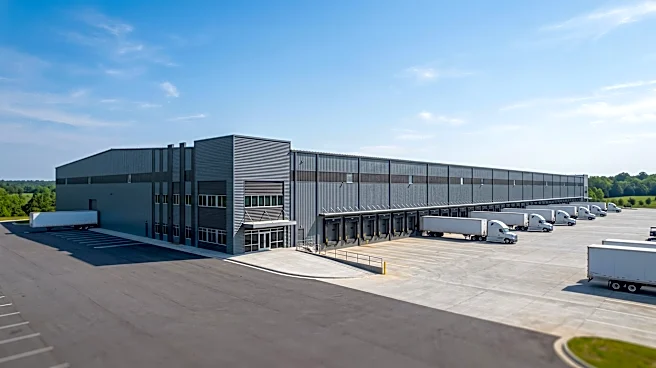
Athletic apparel brand Alo has invested nearly $176 million to establish a national fulfillment and distribution center in Southaven, Mississippi. This new facility, announced by the Mississippi Development Authority on October 12, will occupy up to 1.2
million square feet in an existing building. The project is expected to create more than 400 new jobs, with Alo planning to fill these positions by 2027. Company co-president Norm Hullinger indicated that additional hiring is anticipated during the holiday season. While work on the center began in August, the full operational timeline, including the potential addition of returns processing, remains unspecified. The Southaven operation will manage both fulfillment and distribution for Alo's apparel business, serving customers nationwide. The Mississippi Development Authority, along with DeSoto County and the city of Southaven, is providing assistance for the project, leveraging advantages such as transportation access and the local workforce.
Why It's Important?
This significant investment by Alo in Southaven, Mississippi, underscores a growing trend of companies establishing large-scale distribution hubs in strategic U.S. locations to enhance their supply chain efficiency and reach. For Mississippi, this project is a substantial economic boost, bringing nearly $176 million in capital investment and creating over 400 permanent jobs, with more expected seasonally. This influx of jobs will positively impact the local economy through increased employment, consumer spending, and tax revenues. The state's provision of assistance through its Mississippi Flexible Tax Incentive (MFLEX) highlights the competitive environment among states to attract major businesses, offering incentives to stimulate local growth. The decision to locate in Southaven also emphasizes the importance of transportation infrastructure and a skilled workforce in corporate site selection, benefiting regions that can offer these advantages. This move allows Alo to better serve its national customer base, potentially leading to faster delivery times and improved customer satisfaction, which is crucial in the competitive e-commerce landscape.
What's Next?
Alo will continue its hiring efforts to fill the more than 400 new positions at the Southaven facility, with a target completion date of 2027. Additional seasonal hiring is expected to commence during the upcoming holiday season to manage increased demand. The company may also decide to implement returns processing at the facility, which could further expand its operations and potentially create more job opportunities. The Mississippi Development Authority, along with local government entities, will likely continue to support Alo's integration into the community and ensure the project's successful rollout. Other businesses in the region may experience indirect benefits from the increased economic activity and workforce development. The success of this center could also influence other companies in the athletic apparel or e-commerce sectors to consider similar investments in Mississippi, further solidifying the state's position as a logistics hub.
Beyond the Headlines
The establishment of Alo's distribution center in Southaven reflects broader shifts in retail and logistics, particularly the increasing reliance on robust, geographically dispersed fulfillment networks to meet consumer expectations for rapid delivery. This trend highlights the critical role of supply chain resilience and efficiency in modern business strategy. Furthermore, the project's reliance on state and local incentives, such as the Mississippi Flexible Tax Incentive, raises questions about the long-term economic impact of such programs and whether they create sustainable growth or merely shift investment between regions. The focus on creating over 400 jobs also brings attention to the evolving nature of the workforce, with a growing demand for logistics and warehouse personnel. This development could also spur local educational institutions to tailor programs to meet the specific skill sets required by large distribution centers, fostering a more skilled local labor pool and potentially influencing regional economic development strategies beyond the immediate benefits of the investment.