

What's Happening?
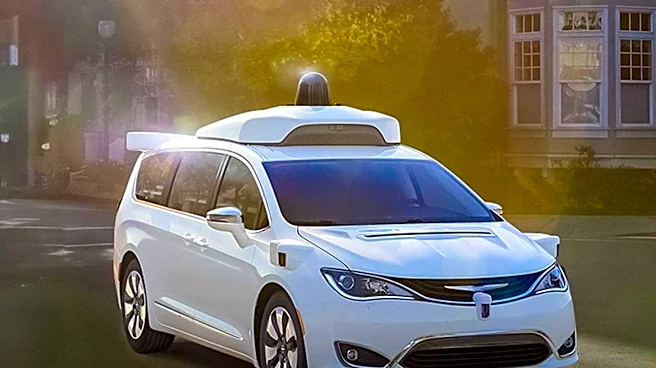
NVIDIA is actively recruiting a Planning and Control Adaptation Intern to join its autonomous driving division. The internship, slated for 2027, is open to Master's or PhD students in Computer Science, Robotics, Automotive Engineering, Electrical Engineering, or related
fields. The selected intern will support the integration and adaptation of planning and control systems across various vehicle platforms, focusing on different dynamics, steering and braking systems, and actuator configurations. Key responsibilities include analyzing driving issues related to path and speed planning, lane changes, merging, yielding, intersections, and lateral and longitudinal control. The role also involves using simulation tools, replay tools, and vehicle logs to identify root causes, validate improvements, and perform cross-carline testing to evaluate driving safety, comfort, smoothness, and robustness. The intern will also develop Python or C++ tools for log analysis, parameter comparison, regression testing, and result visualization, collaborating with engineers on integration, validation, and delivery for production autonomous driving programs.
Why It's Important?
This internship highlights NVIDIA's continued investment in the autonomous vehicle sector, a rapidly evolving industry with significant implications for transportation, logistics, and technology in the U.S. By bringing in new talent, NVIDIA aims to accelerate the development and refinement of its DRIVE platform, which is crucial for the advancement of self-driving technology. The focus on integration and adaptation across diverse vehicle platforms suggests a push towards broader applicability and robustness of autonomous systems, which could lead to safer and more efficient transportation solutions. The development of advanced planning and control algorithms is fundamental to overcoming complex driving scenarios, and the intern's contributions could directly impact the reliability and performance of future autonomous vehicles. This initiative also underscores the growing demand for specialized skills in robotics, AI, and automotive engineering, influencing educational and career pathways in these fields.
What's Next?
The internship is scheduled for 2027, indicating NVIDIA's long-term commitment to advancing its autonomous driving capabilities. Successful interns may have opportunities for future employment, contributing to the talent pipeline for NVIDIA and the broader autonomous vehicle industry. The work performed by the intern will directly feed into the development of NVIDIA's production autonomous driving programs, potentially leading to new features, improved safety, and enhanced performance in future autonomous vehicles. As the autonomous driving sector continues to mature, the insights and tools developed through such internships will be critical for addressing regulatory challenges, public acceptance, and the widespread deployment of self-driving technology. The ongoing research and development in this area will likely influence industry standards and the competitive landscape among technology companies vying for leadership in autonomous solutions.
Beyond the Headlines
The pursuit of advanced autonomous driving technology, as exemplified by NVIDIA's internship program, raises deeper questions about the future of human-machine interaction and the ethical considerations surrounding AI-driven decision-making in critical situations. The development of robust planning and control systems is not just a technical challenge but also involves ensuring the ethical behavior of autonomous vehicles, particularly in unforeseen circumstances. The emphasis on safety, comfort, and robustness reflects the industry's awareness of the need for public trust and acceptance. Furthermore, the demand for specialized skills in this area points to a broader societal shift towards automation and the need for a workforce equipped with advanced technical expertise. The long-term implications include potential changes in urban planning, infrastructure development, and the very nature of transportation, with autonomous vehicles potentially reducing traffic congestion, accidents, and environmental impact, while also posing new challenges related to job displacement and data privacy.