
What's Happening?
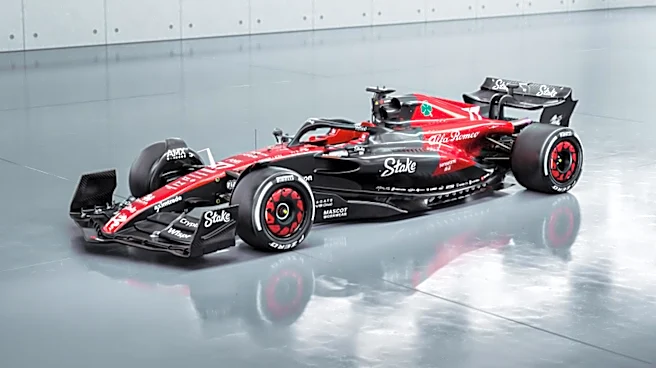
Juan Manuel Correa, an American racing driver currently competing in Indy NXT, has shared insights into his career progression through various junior single-seater categories and his Formula 1 test with Alfa Romeo Sauber. Correa's journey began with a mid-season
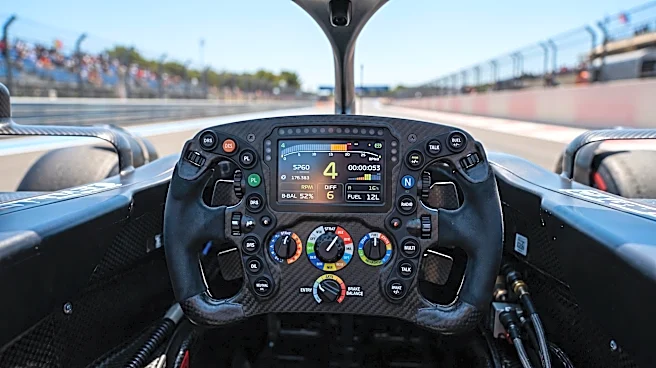
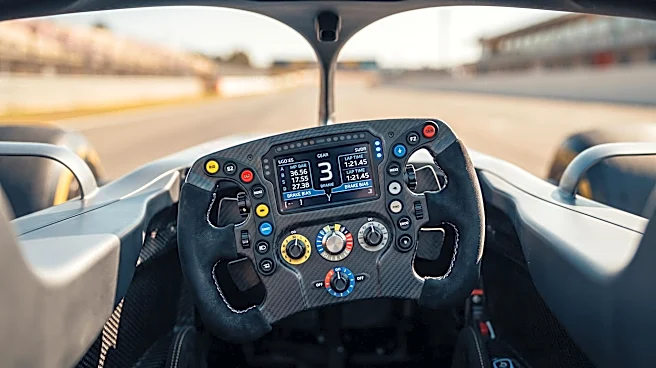
jump to GP3 with Jenzer Motorsport, a move that forced him to adapt quickly to a more powerful car. He later progressed to Formula 2, where he felt well-prepared due to his GP3 experience. A significant milestone in his career was the 2019 F1 test with Alfa Romeo Sauber at Paul Ricard, which provided him with a firsthand experience of Formula 1 machinery. He noted the impressive braking performance and the physical demands, particularly on his neck, but also found the car surprisingly easy to drive and refined. Correa emphasizes that his diverse experiences have shaped his driving style and mindset, teaching him crucial lessons about managing emotions and avoiding overthinking during races.
Why It's Important?
Correa's reflections offer a valuable perspective on the demanding path aspiring American drivers face in international motorsport, particularly in reaching Formula 1. His experience highlights the significant differences between European and North American racing ladders, especially concerning tire characteristics and track styles. The European circuits are described as more 'manicured' with large run-off areas, while American tracks are 'raw' and often bumpy, requiring a different driving approach. This distinction is crucial for understanding the adaptability required from drivers transitioning between these environments. His insights into the F1 test with Alfa Romeo Sauber provide a rare glimpse into the technical and physical demands of top-tier racing, underscoring the precision and development investment in Formula 1 cars. For American motorsport, Correa's journey exemplifies the challenges and necessary adjustments for drivers aiming for the pinnacle of global racing.
What's Next?
Correa continues his career in Indy NXT, applying the lessons learned from his extensive experience in European junior categories. His focus remains on adapting to the unique demands of North American racing, including different tire compounds and track characteristics. The ongoing development of his skills in Indy NXT will be critical for his future prospects in motorsport. His emphasis on mental fortitude and adaptability suggests a strategic approach to his career, aiming to leverage every experience to improve his performance. While the source does not explicitly state his immediate next steps beyond Indy NXT, his continuous learning and adaptation are key indicators of his ambition to progress further in his racing career.
Beyond the Headlines
Correa's narrative extends beyond mere race results, delving into the psychological and cultural aspects of a professional racing career. His emphasis on managing emotions and avoiding overthinking highlights the significant mental component of high-performance sports. The cultural differences he observes between European and North American racing, particularly in track design and driving style, suggest a broader divergence in motorsport philosophies. The 'raw' nature of American tracks, requiring a 'cowboy' attitude, contrasts with the more 'tame' European circuits, indicating distinct challenges and skill sets valued in each region. This cultural insight underscores the comprehensive development required for drivers to succeed globally, encompassing not just technical skill but also mental resilience and cultural adaptability.