








What's Happening?
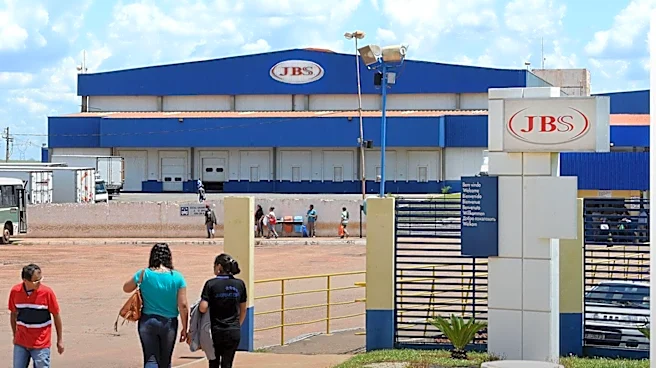
JBS, the world's largest meat processor, has officially abandoned its commitment to achieve net-zero greenhouse gas emissions by 2040. This decision was revealed in the company's latest Non-Financial Disclosure Report for 2025, which omitted any mention
of Scope 3 emissions targets. Scope 3 emissions, which account for the majority of JBS's carbon footprint, include indirect emissions from the entire supply chain, such as livestock rearing. The company had initially pledged in 2021 to reduce its global Scope 1 and 2 emission intensity by 30% by 2030, with a $1 billion investment in emissions reduction projects. However, JBS's global chief sustainability officer, Jason Weller, clarified that the net-zero target was an 'aspiration' rather than a firm promise. The company now aims for a 70% reduction in Scope 1 and 2 emissions by 2050, but has not set new targets for Scope 3 emissions.
Why It's Important?
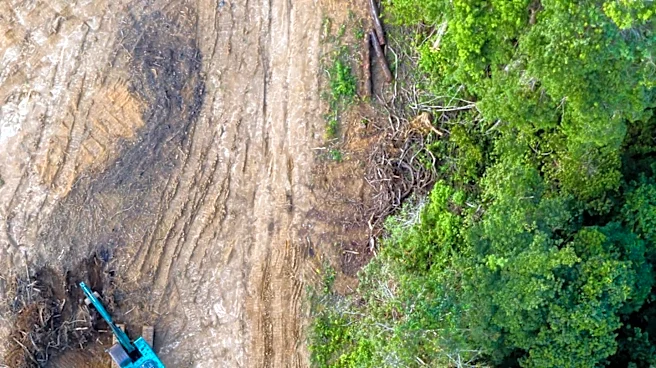
The decision by JBS to drop its net-zero by 2040 target has significant implications for environmental sustainability and corporate accountability. As a major player in the meat industry, JBS's operations contribute substantially to global greenhouse gas emissions, particularly through methane emissions from cattle. The lack of commitment to addressing Scope 3 emissions, which constitute the bulk of its carbon footprint, raises concerns about the company's environmental impact and its role in climate change. This move may also influence other companies in the industry, potentially undermining broader efforts to combat global warming. Environmental advocacy groups have criticized JBS for its environmental record, including deforestation and pollution, and this decision may further damage its reputation among consumers and investors who prioritize sustainability.
What's Next?
JBS's revised sustainability strategy focuses on actions it can directly manage, such as reducing Scope 1 and 2 emissions. However, the absence of Scope 3 targets leaves a significant gap in its climate strategy. Moving forward, JBS may face increased scrutiny from environmental groups, regulators, and investors demanding more comprehensive climate action. The company may need to engage more actively with its supply chain to address indirect emissions and explore innovative solutions to reduce its overall carbon footprint. Additionally, JBS's decision could prompt discussions within the industry about the feasibility and accountability of corporate climate commitments, potentially leading to new regulatory measures or industry standards.
Beyond the Headlines
The abandonment of the net-zero target by JBS highlights broader challenges in the meat industry regarding sustainability and climate responsibility. The industry's reliance on livestock, a major source of methane emissions, poses significant environmental challenges. JBS's decision may prompt a reevaluation of how companies set and communicate their climate goals, emphasizing the need for transparency and accountability. This development also underscores the importance of consumer and investor pressure in driving corporate sustainability efforts. As awareness of climate change grows, companies may face increasing demands for genuine and measurable environmental commitments, potentially reshaping industry practices and priorities.