
What's Happening?
Six Flags Entertainment plans to move its corporate headquarters from Charlotte, North Carolina, to Arlington, Texas, with the transition expected to be completed by March 2027. The company's top leadership
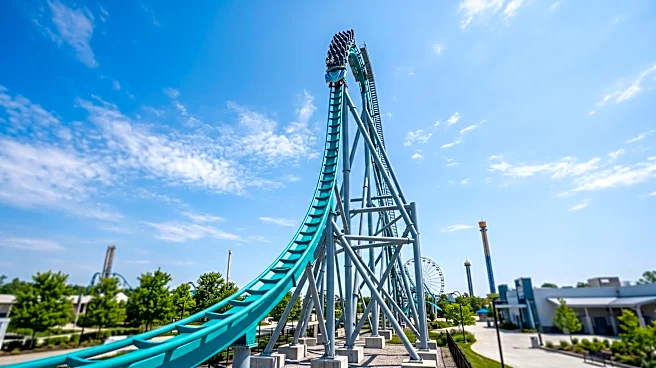
and shared business functions will consolidate at its existing Arlington office at Choctaw Stadium, which has housed part of Six Flags' corporate workforce since 2020. This move marks a return to Arlington for Six Flags, as the city is where Six Flags Over Texas, the company's first park, opened over 60 years ago. The relocation aims to streamline corporate functions, accelerate decision-making, and bring leadership closer to park operations. Six Flags operates 34 parks and nine resort properties across North America, and the Arlington office will serve as the primary base for corporate leadership and shared services. The company recently invested in its Arlington presence with the opening of 'Tormenta: Rampaging Run' at Six Flags Over Texas, described as the world's first giga dive coaster, intended to boost visitation and tourism in the region. Six Flags will maintain a significant presence in the Charlotte area through Carowinds and Carolina Harbor, and an office in Sandusky, Ohio.
Why It's Important?
This relocation is significant for Six Flags as it seeks to enhance operational efficiency and strengthen its corporate culture by centralizing leadership closer to its core operations, particularly its five Texas parks. By consolidating in Arlington, the company anticipates improved collaboration across functions and better coordination among its executive leaders. For Arlington, the move adds another major corporate presence to its growing entertainment district, which already includes prominent venues like AT&T Stadium and Globe Life Field. This influx of corporate activity is expected to create job opportunities, as Six Flags plans to expand its existing Arlington workforce and leverage the broader Dallas-Fort Worth talent pool for long-term growth. The decision also underscores a broader trend of companies, including major players like Hewlett-Packard and Charles Schwab, relocating to Texas, highlighting the state's business-friendly environment and its appeal for corporate headquarters. This move could further solidify Arlington's reputation as a hub for entertainment and corporate operations, potentially attracting more businesses and investment to the region.
What's Next?
Six Flags will proceed with the relocation of its corporate headquarters to Arlington, Texas, with the full transition anticipated by March 2027. The company is expected to expand its workforce in Arlington, tapping into the local talent pool to support its consolidated operations. This move will likely involve a strategic integration of corporate functions and leadership teams within the new Arlington base. Six Flags will continue to manage its 34 parks and nine resort properties across North America from this central location, aiming for a more responsive and efficient organizational structure. The company's ongoing investments, such as the new giga dive coaster at Six Flags Over Texas, suggest a continued focus on enhancing park attractions and visitor experiences. The relocation may also prompt further engagement with local government and business communities in Arlington, potentially leading to new partnerships or initiatives within the entertainment district. Six Flags will also need to manage its continued presence in Charlotte and Sandusky, ensuring smooth operations in those regions despite the headquarters shift.
Beyond the Headlines
The decision by Six Flags to return its headquarters to Arlington, the birthplace of its first park, carries a symbolic weight that extends beyond mere operational efficiency. It represents a strategic re-alignment with the company's historical roots and a potential re-emphasis on the foundational elements of its brand. This move could foster a stronger sense of identity and purpose within the organization, drawing on the legacy of Six Flags Over Texas. Furthermore, the consolidation of leadership in a vibrant entertainment district like Arlington could lead to more innovative and integrated entertainment offerings, as corporate strategy becomes more directly influenced by the dynamic environment of its flagship parks. The broader trend of companies moving to Texas, as exemplified by Six Flags, suggests a significant shift in corporate geographical preferences, driven by factors such as business incentives, talent availability, and quality of life. This could have long-term implications for regional economic development, potentially creating new centers of corporate power and innovation outside traditional hubs. The emphasis on a 'leaner, more responsive organization' also reflects a modern corporate imperative to adapt quickly to market changes and consumer demands, highlighting a strategic pivot towards agility in the competitive entertainment industry.