






What's Happening?
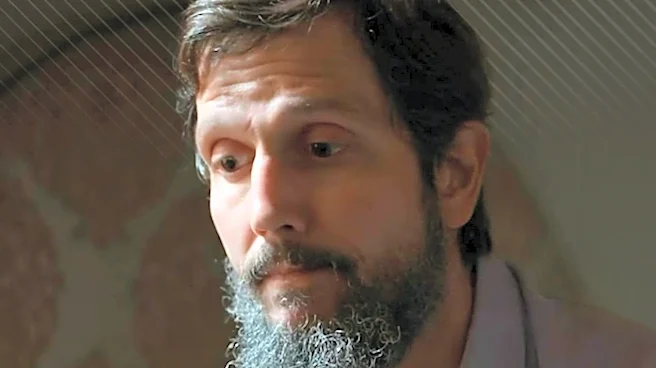
François Ozon directed the 2006 film "Time to Leave," which centers on a handsome and successful fashion photographer who receives a terminal cancer diagnosis. The protagonist chooses to conceal his illness from his family and boyfriend. However, during
a brief stay with his grandmother, he confides in her about his secret. The film, rated 7.1/10 on IMDb, is categorized as a drama with LGBTQ+ themes. It runs for 1 hour and 17 minutes and features Melvil Poupaud, Valéria Bruni-Tedeschi, and Jeanne Moreau in its cast. Olivier Delbosc and Marc Missonnier served as producers for the film.
Why It's Important?
The film "Time to Leave" delves into the complex emotional and psychological impact of a terminal illness, particularly when an individual chooses to keep such a profound secret from their closest relations. This narrative explores themes of mortality, family dynamics, and the burden of unspoken truths, which resonate with universal human experiences. The LGBTQ+ aspect of the protagonist's life adds another layer of complexity, potentially highlighting the unique challenges and support systems within that community when facing life-altering health crises. The film's exploration of these sensitive topics can foster empathy and understanding among viewers, prompting reflection on communication, honesty, and end-of-life decisions within families and relationships.
What's Next?
As an existing film, "Time to Leave" continues to be available for viewing on platforms like Prime Video. Its themes of terminal illness, family secrets, and LGBTQ+ relationships ensure its continued relevance for audiences interested in character-driven dramas. The film may also be used in academic settings or film studies to analyze Ozon's directorial style, narrative choices, and the portrayal of sensitive subjects. Future discussions or retrospectives on François Ozon's body of work will likely include "Time to Leave" as a significant piece, given its critical reception and thematic depth. The film's availability on streaming services means it can reach new audiences over time, contributing to ongoing conversations about its subject matter.
Beyond the Headlines
Beyond its immediate narrative, "Time to Leave" touches upon the broader societal discomfort with death and dying, and the often-difficult conversations surrounding terminal diagnoses. The protagonist's decision to hide his illness from most of his loved ones reflects a common human tendency to protect others from pain, or perhaps to avoid confronting one's own mortality directly. The film subtly questions the ethics of such secrecy and the potential for isolation it creates, while also exploring the unique bond and understanding that can exist between generations, as seen in the protagonist's relationship with his grandmother. This dynamic suggests that sometimes, unexpected sources of comfort and acceptance emerge during times of crisis, challenging conventional family structures and communication patterns.