





What's Happening?
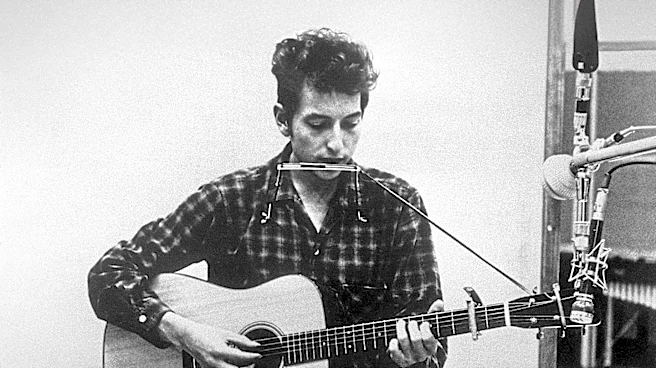
Bob Dylan's 1965 single, 'Positively 4th Street,' is highlighted as a direct response to the backlash he faced from the folk music community after his shift to electric music. This period, marked by his appearance at the Newport Folk Festival with a Stratocaster,
was seen by many folk purists as a betrayal. The song, recorded during the sessions for his album 'Highway 61 Revisited,' is described as a 'chorus-free diatribe' that channeled Dylan's scorn for former friends and critics. According to historian Elijah Wald in his book 'Dylan Goes Electric!', many in the folk scene felt their world was threatened by the rise of The Beatles in 1964 and Dylan's embrace of rock and roll. Dylan's earlier album, 'Bringing It All Back Home,' released in April 1965, had already signaled his new direction with its electric sound, further alienating some of his traditional folk audience. The song 'Positively 4th Street' became a significant statement, reflecting Dylan's deep hurt from the venom directed at him for expanding his musical style.
Why It's Important?
The release of 'Positively 4th Street' and the surrounding controversy underscore a pivotal moment in American music history, illustrating the rigid genre boundaries and artistic expectations of the mid-1960s. Dylan's decision to 'go electric' challenged the established norms of the folk scene, which viewed rock and roll as a lesser art form. This artistic defiance not only solidified Dylan's reputation as an independent and evolving artist but also contributed to the broader cultural shift that blurred lines between musical genres. The song's personal and accusatory lyrics resonated deeply within the Greenwich Village folk community, causing many to question if they were the target of Dylan's ire. This event highlights the tension between artistic integrity and audience expectations, demonstrating how an artist's evolution can lead to both alienation and the creation of enduring, impactful work. The song's success, reaching the top ten in the US Billboard Chart, further validated Dylan's artistic choices despite the internal strife.
What's Next?
While 'Positively 4th Street' was a standalone single, its impact continued to shape Bob Dylan's career and artistic approach. The song marked a departure from his previous writing style, which had not typically focused on settling personal scores. This period of artistic exploration and defiance led to some of his most acclaimed works, including the double album 'Blonde on Blonde,' which concluded his 'rock' phase. Dylan's continued commitment to doing things on his own terms, regardless of public or critical opinion, became a hallmark of his career. The song's legacy also influenced other artists, such as Carly Simon, who reportedly took notes from Dylan's direct and personal songwriting style. The episode serves as a historical precedent for artists navigating creative evolution in the face of traditionalist resistance, suggesting that such bold moves can lead to both controversy and lasting artistic achievement.
Beyond the Headlines
The deeper implications of Bob Dylan's 'electric' period and the song 'Positively 4th Street' extend beyond musical innovation, touching upon themes of authenticity, betrayal, and the nature of artistic freedom. The song's raw honesty and direct address to his critics reveal the personal cost of artistic evolution. It highlights the ethical dilemma faced by artists who must choose between adhering to the expectations of their initial audience and pursuing their own creative vision. The reaction from the folk community, particularly the feeling of betrayal, underscores the strong emotional connection audiences can form with artists and the difficulty of accepting change. Furthermore, the song's enduring relevance speaks to the universal experience of feeling misunderstood or wronged by those once considered friends, making it a powerful commentary on human relationships within the context of fame and artistic success. It also subtly critiques the perceived hypocrisy of some idealists who proved to be as 'fickle and changeable' as the politicians they criticized.