





What's Happening?
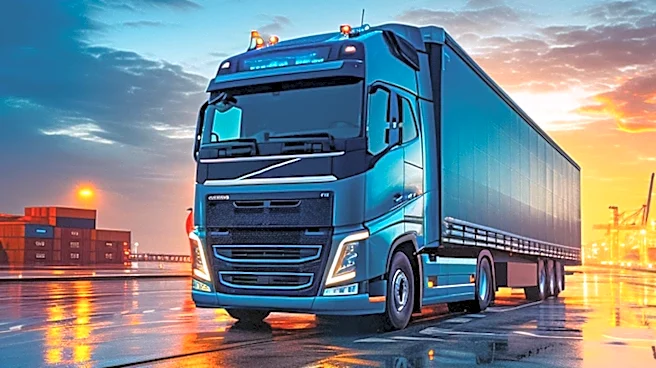
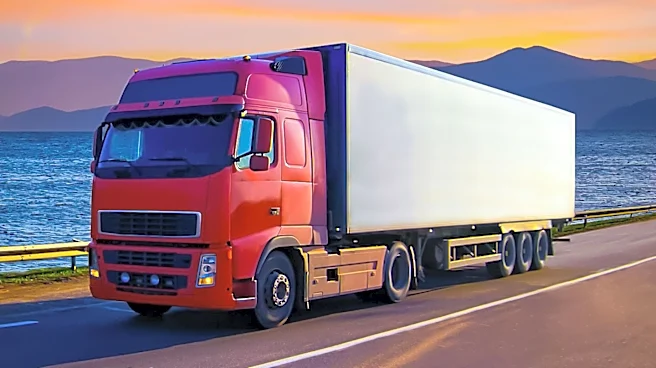
The truckload market in the U.S. has seen a resurgence in carrier leverage due to reduced over-the-road capacity and rising spot and contract rates. This recovery, described as the strongest since the post-pandemic surge, benefits carriers but poses challenges
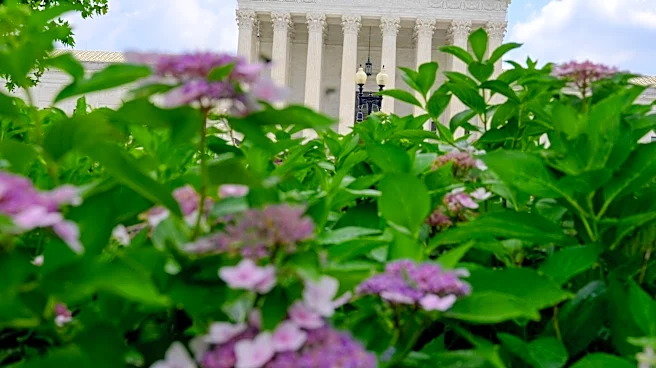
for shippers. Larger, well-capitalized carriers are favored in this market cycle, raising barriers to entry for smaller carriers. The market conditions have been influenced by factors such as FMCSA enforcement actions, a gradual freight recovery, and a Supreme Court ruling affecting broker liability. Industry experts suggest that shippers need to adapt to these changes by forming strategic partnerships and considering alternative transportation methods.
Why It's Important?
The shift in leverage towards carriers in the truckload market has significant implications for the logistics industry. Carriers are now in a stronger position to negotiate rates, which could lead to increased costs for shippers. This change may drive shippers to seek more reliable and cost-effective transportation solutions, potentially leading to a reevaluation of logistics strategies. The market dynamics also highlight the importance of compliance and safety in the industry, as regulatory actions continue to shape the competitive landscape. For smaller carriers, the increased barriers to entry could limit their market participation, potentially reducing competition.
What's Next?
As the truckload market continues to evolve, shippers and carriers will need to navigate the challenges of tight capacity and rising rates. Shippers may explore long-term contracts with core carriers or shift some freight to rail-based intermodal solutions. The industry will also be watching for further regulatory developments and their impact on market conditions. Additionally, the potential for technological advancements, such as AI and autonomous vehicles, could further transform the logistics landscape, offering new opportunities and challenges for industry stakeholders.