







What's Happening?
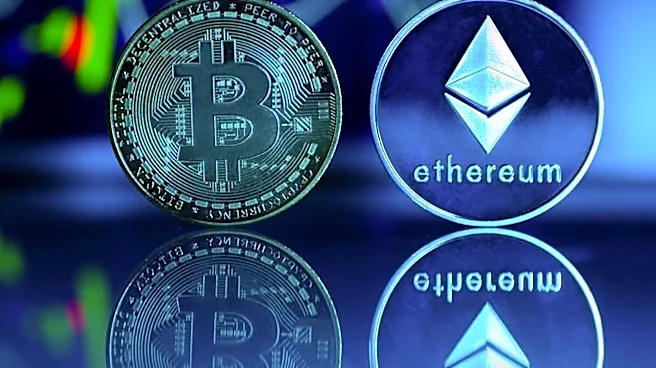
Bitcoin.com is enabling users to buy Ethereum (ETH) directly with credit or debit cards, as well as through bank transfers in supported regions. The platform allows users to specify the amount of ETH they wish to purchase, choose a payment method, and
select a wallet for receiving the cryptocurrency. The process includes identity verification, which may be required by the payment provider depending on the location, transaction size, and payment method. Users are shown an estimated amount of ETH they will receive, along with exchange rates and fees, before confirming their purchase. Once the payment is processed, the ETH is sent to the user's chosen wallet. The platform emphasizes that ETH is divisible to 18 decimal places, allowing for fractional purchases, and transactions start from $30. Bitcoin.com also provides information on what users can do with their ETH after purchase, such as holding it in a self-custody wallet, sending it to other addresses, using it on-chain with Ethereum applications, or swapping/selling it for other cryptocurrencies or fiat currency.
Why It's Important?
This development is significant for the broader adoption and accessibility of cryptocurrency in the U.S. and globally. By simplifying the purchase process for Ethereum, Bitcoin.com is lowering the barrier to entry for new investors and users who may be unfamiliar with more complex crypto exchanges. The ability to use common payment methods like credit and debit cards makes cryptocurrency acquisition as straightforward as any other online purchase, potentially attracting a wider demographic beyond early adopters. This increased accessibility could lead to greater liquidity and demand for ETH, impacting its market value and the overall cryptocurrency ecosystem. Furthermore, the emphasis on self-custody wallets empowers users with direct control over their assets, aligning with the decentralized ethos of blockchain technology and potentially reducing reliance on centralized exchanges. This move could also influence other platforms to streamline their purchasing processes, fostering a more user-friendly crypto environment.
What's Next?
Following this initiative, it is likely that more individuals will engage with Ethereum, potentially increasing its user base and transaction volume. Bitcoin.com will continue to process purchases, with identity verification remaining a key step for regulatory compliance. Users will need to decide how to manage their newly acquired ETH, whether through holding, staking, or utilizing it within the Ethereum ecosystem. The platform will also need to continuously adapt to evolving payment regulations and security standards to ensure a smooth and secure user experience. Other cryptocurrency platforms may observe the success of this simplified purchasing model and implement similar features, further democratizing access to digital assets. The ongoing development of the Ethereum network, including upgrades and new applications, will also influence how users interact with their ETH.
Beyond the Headlines
The simplification of cryptocurrency purchases through traditional payment rails highlights a growing convergence between conventional finance and the digital asset space. This trend could lead to increased regulatory scrutiny as governments and financial institutions seek to integrate cryptocurrencies into existing frameworks while mitigating risks such as fraud and money laundering. The emphasis on self-custody also underscores a fundamental shift in asset ownership, moving from reliance on intermediaries to individual responsibility. This paradigm shift has profound implications for financial literacy and personal security, as users must understand the importance of safeguarding their private keys. Moreover, the increased ease of access to ETH could accelerate the development and adoption of decentralized applications (dApps) and decentralized finance (DeFi) protocols, as more users will have the necessary assets to participate in these ecosystems. This could ultimately reshape traditional financial services and create new economic opportunities.