




What's Happening?
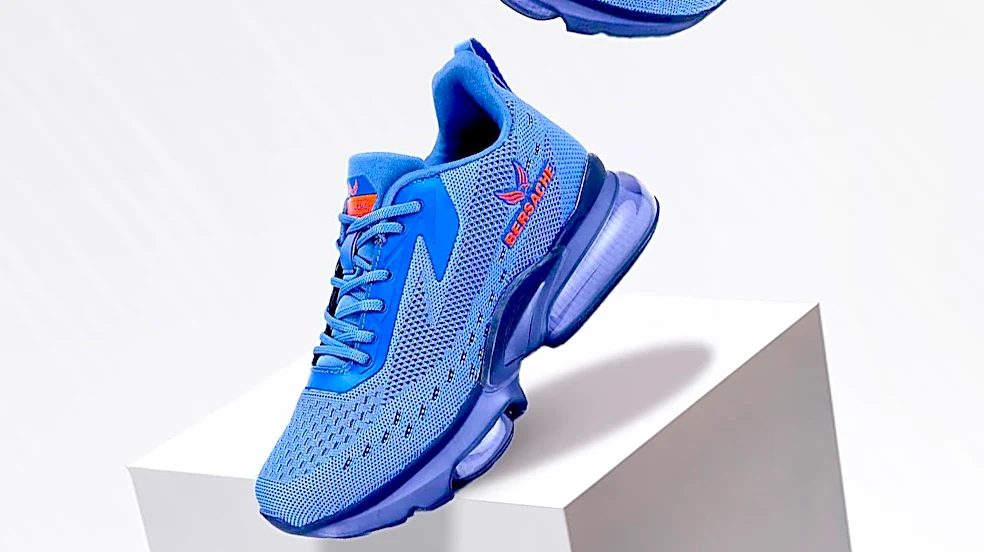
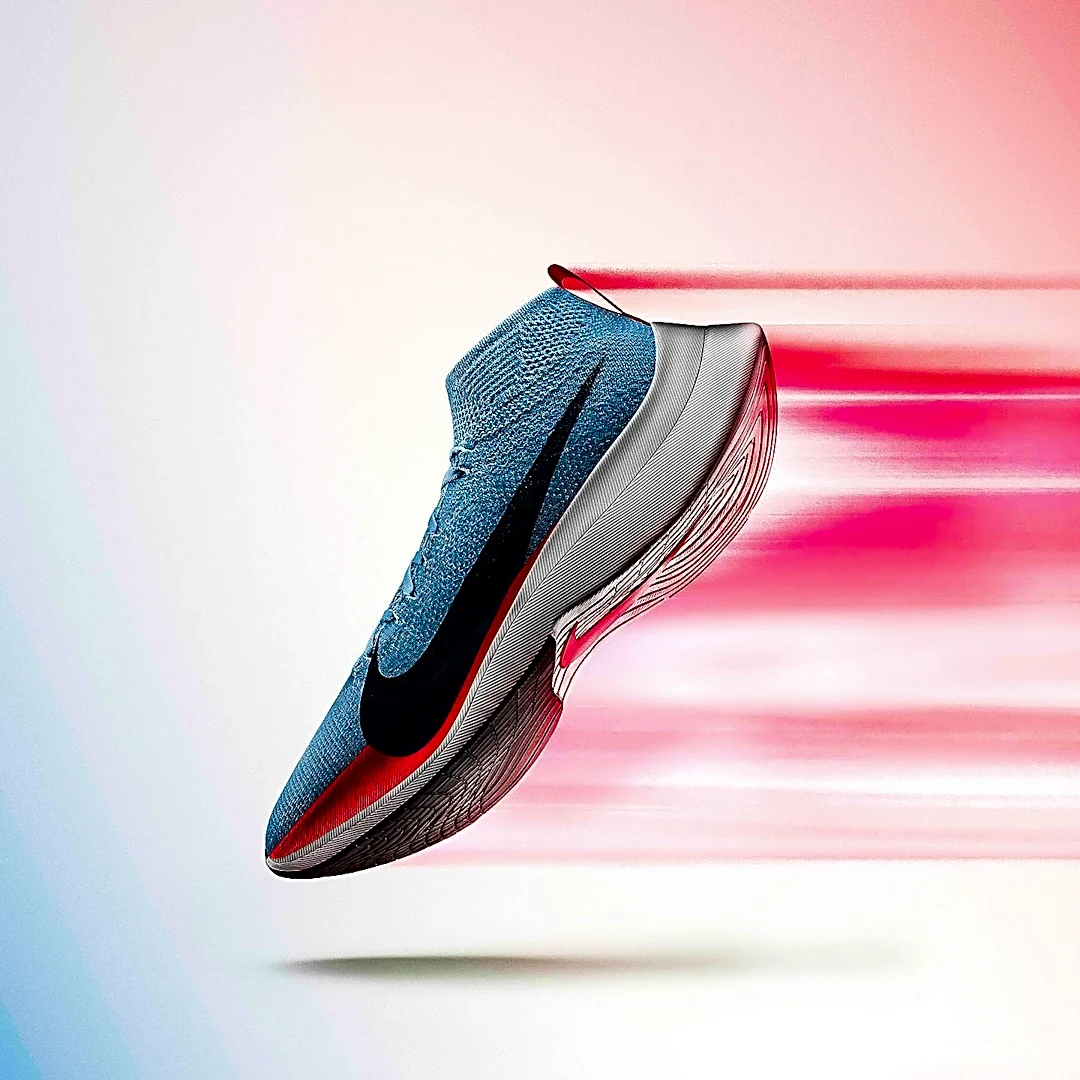
Nike has launched its new Air Max Portal sneaker, a chunky lifestyle shoe that draws inspiration from retro runners like the Air Max SNDR. The design combines a sleek, rippled upper with a chunky outsole and an oval-shaped midsole for comfort. A key feature
of the Air Max Portal is the inclusion of a visible Air Unit at the rear, complemented by traditional foam cushioning in the front. The sneaker is available for purchase on Nike's website for $160. Notably, the Air Max Portal is constructed with recycled materials, positioning it as an eco-conscious option within Nike's footwear lineup. This release aims to blend vintage aesthetics with modern sustainability efforts, offering a shoe that is both bold and sleek, new and old, according to Highsnobiety.
Why It's Important?
The release of the Air Max Portal with recycled materials signifies Nike's continued push towards sustainability in its product offerings. This move is important for the U.S. retail and apparel industry as it responds to growing consumer demand for environmentally friendly products. By integrating recycled content into popular sneaker lines, Nike can influence broader industry trends and encourage other brands to adopt similar practices. For consumers, it offers an option to purchase fashionable footwear with a reduced environmental footprint, potentially driving sales among eco-conscious buyers. The blend of retro design with modern materials also highlights a strategic approach to product development, appealing to both nostalgia and contemporary values. This could set a precedent for how major brands balance aesthetic appeal with ecological responsibility, impacting supply chains and manufacturing processes across the sector.
What's Next?
Following the launch of the Air Max Portal, Nike is likely to continue integrating sustainable materials into more of its product lines, potentially expanding the use of recycled content across various sneaker models and apparel. The success of this eco-conscious approach could lead to increased investment in research and development for new sustainable materials and manufacturing processes. Consumers can expect to see more marketing campaigns highlighting the environmental benefits of Nike's products, further solidifying the brand's commitment to sustainability. Other footwear companies may observe the market reception of the Air Max Portal and adjust their own strategies to incorporate more recycled materials, fostering a competitive environment for sustainable fashion. This could also lead to new partnerships between material science companies and footwear brands, driving innovation in eco-friendly production.
Beyond the Headlines
The introduction of the Air Max Portal with recycled materials touches upon broader themes of corporate responsibility and consumer ethics in the fashion industry. Beyond the immediate environmental benefits, this trend reflects a shift in consumer values, where purchasing decisions are increasingly influenced by a brand's ethical stance. This could lead to a re-evaluation of 'fast fashion' practices and a greater emphasis on product longevity and circular economy principles. The use of recycled materials also presents a challenge and opportunity for innovation in design and manufacturing, pushing companies to develop new aesthetic and performance standards for sustainable products. Ultimately, this development contributes to a larger cultural conversation about consumption, waste, and the role of corporations in addressing global environmental challenges, potentially reshaping industry norms and consumer expectations for years to come.