




What's Happening?
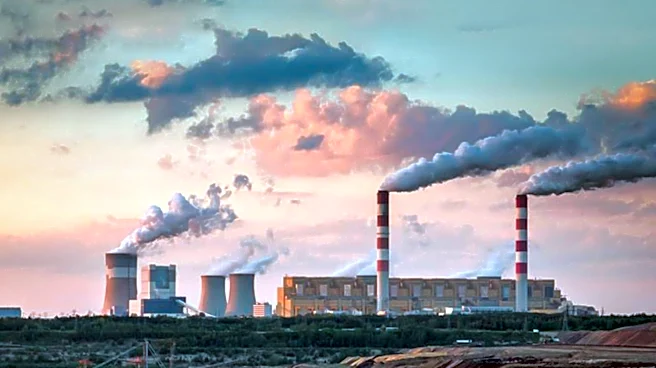
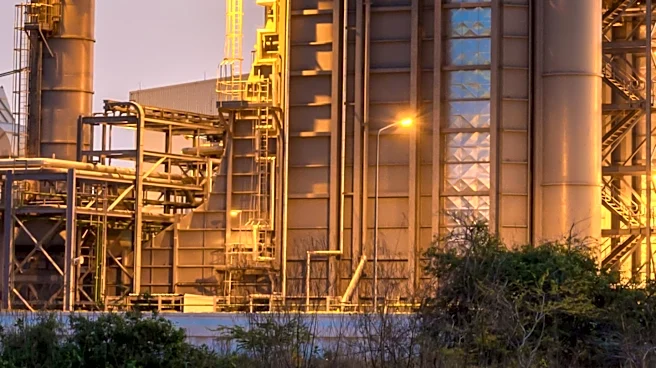
Global orders for gas turbines have reached a record high, driven by a surge in power demand, according to JP Morgan. In the second quarter, new gas turbine orders totaled 38 GW, marking a 29% increase from the first quarter and a 71% rise year-over-year.
Siemens Energy, General Electric, and Mitsubishi Power are the leading manufacturers, with the United States accounting for half of the new orders. The demand is fueled by the proliferation of data centers and the need for new electricity generation capacity to support advancements in artificial intelligence and manufacturing. This has resulted in shortages and extended lead times for new gas power plants, with costs rising significantly.
Why It's Important?
The increase in gas turbine orders highlights the growing demand for electricity, particularly in the United States, as industries expand and technological advancements drive energy consumption. This trend underscores the critical need for infrastructure development to support economic growth and technological innovation. The rising costs and extended lead times for gas power plants pose challenges for energy providers and could impact the pace of industrial expansion. The situation also reflects broader energy market dynamics, including the transition towards more sustainable energy sources and the balancing of supply and demand in a rapidly evolving landscape.
What's Next?
As demand for electricity continues to grow, energy companies may need to explore alternative solutions to meet capacity needs, such as investing in renewable energy sources or enhancing energy efficiency measures. The industry may also face pressure to address supply chain constraints and manage rising costs to ensure the timely delivery of new power generation capacity. Policymakers and industry stakeholders will likely focus on strategies to support energy infrastructure development and address potential bottlenecks in the supply chain.
Beyond the Headlines
The surge in gas turbine orders and the associated challenges highlight the complex interplay between energy demand, technological advancement, and infrastructure development. The situation raises questions about the sustainability of current energy practices and the need for a balanced approach to energy policy that considers environmental, economic, and social factors. The transition to a more sustainable energy future will require coordinated efforts from industry, government, and society to address these multifaceted challenges.