






What's Happening?
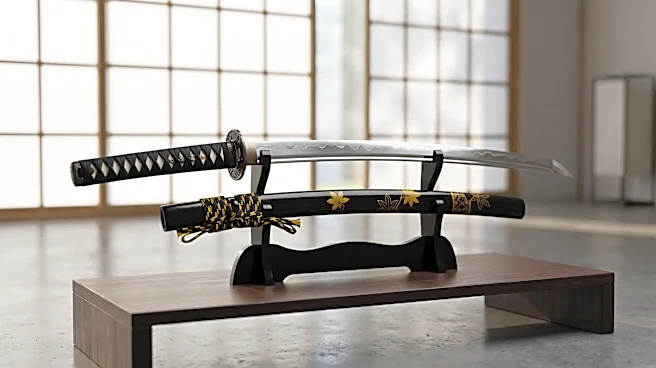
The Hattori Hanzo Sword, famously wielded by Beatrix Kiddo (The Bride) in Quentin Tarantino’s 2003 film 'Kill Bill,' has become a highly sought-after collectible. This legendary blade, though a fictional creation within the movie, has transcended its
cinematic origins to become a symbol in popular culture, blending Japanese sword culture, samurai spirit, and cinematic aesthetics. The film portrays Hattori Hanzo as a master swordsmith who, after retiring due to his creations being linked to violence, forges one final, exceptional katana for Beatrix Kiddo's revenge mission against Bill and the Deadly Viper Assassination Squad. The sword is central to Beatrix's journey, representing her transformation from a victim to a determined warrior, embodying themes of revenge, strength, and redemption. Replicas of this iconic weapon are popular among movie enthusiasts, katana collectors, and fans of Japanese samurai culture, often featuring high-quality materials like 1095 High Carbon Steel, 1060 Carbon Steel, and T10 Steel for enhanced durability and craftsmanship.
Why It's Important?
The enduring popularity of the Kill Bill Sword Replica highlights the significant cultural impact of cinema and its ability to elevate fictional objects into tangible symbols. This phenomenon affects the collectibles market, driving demand for high-quality reproductions that cater to a diverse audience, including film buffs, martial arts enthusiasts, and collectors. The meticulous attention to detail in these replicas, such as the use of specific carbon steels, reflects a broader appreciation for craftsmanship and authenticity, even in fictional contexts. Furthermore, the sword's symbolic representation of honor, discipline, and determination, rooted in traditional Japanese samurai culture, resonates with consumers, making it more than just a movie prop. This trend underscores how storytelling can influence consumer behavior and create niche markets for items that embody deeper cultural or narrative significance, impacting manufacturing and retail sectors specializing in movie memorabilia and historical weapon reproductions.
What's Next?
The continued demand for cinematic weapon replicas, particularly those with strong narrative and cultural ties like the Hattori Hanzo Sword, suggests a sustained market for such collectibles. Manufacturers are likely to continue innovating with materials and production techniques to meet collector expectations for authenticity and quality. This could lead to the development of more advanced replica technologies and a broader range of cinematic weapons being reproduced. Additionally, the cultural resonance of the 'Kill Bill' sword may inspire other filmmakers and creators to imbue their fictional weapons with similar symbolic depth, potentially influencing future trends in movie prop design and the associated merchandise market. The community of collectors and enthusiasts will likely continue to grow, fostering online forums, conventions, and specialized retailers dedicated to these iconic items, further solidifying their place in popular culture and the collectibles industry.
Beyond the Headlines
The fascination with the Kill Bill Sword extends beyond its aesthetic appeal, touching upon deeper psychological and cultural dimensions. It symbolizes the human desire for justice and self-reclamation, as Beatrix Kiddo's journey resonates with universal themes of overcoming adversity and asserting control over one's destiny. The sword's connection to traditional Japanese samurai culture introduces ethical considerations regarding the glorification of violence versus the appreciation of historical craftsmanship and martial arts discipline. It prompts reflection on how fictional narratives can shape perceptions of power, revenge, and honor. Moreover, the commercial success of such replicas raises questions about the commodification of cultural symbols and the balance between artistic homage and commercial exploitation. This phenomenon also highlights the evolving nature of fandom, where engagement extends beyond passive consumption to active participation through collecting and embodying aspects of beloved stories, influencing identity and community formation among enthusiasts.