




What's Happening?
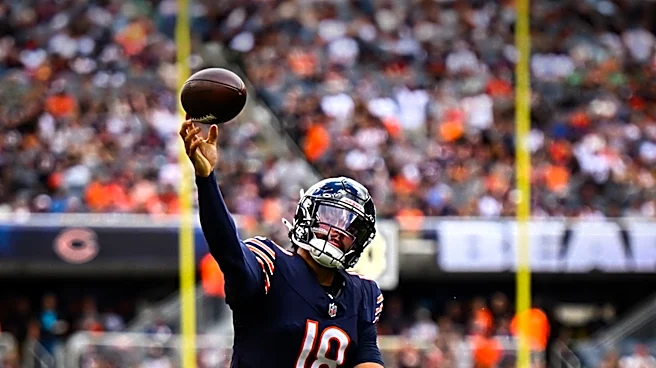
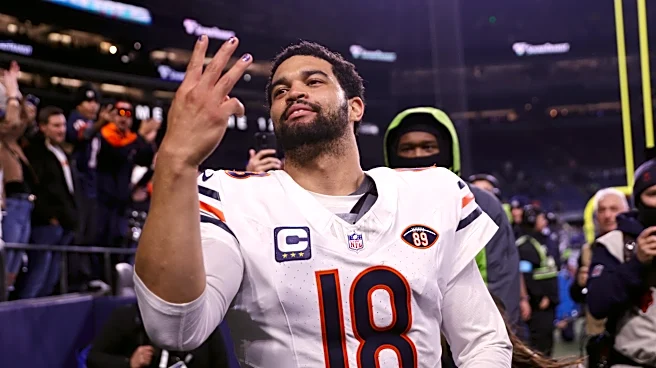
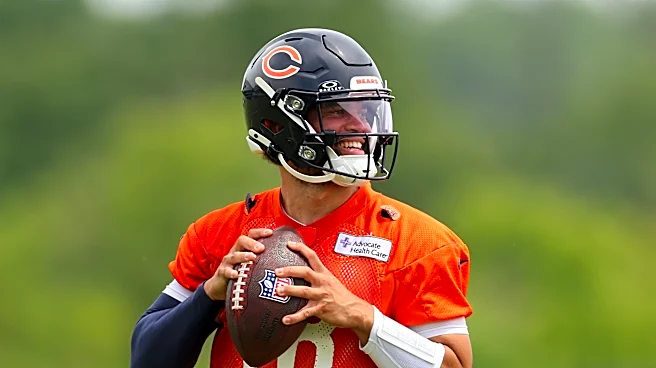
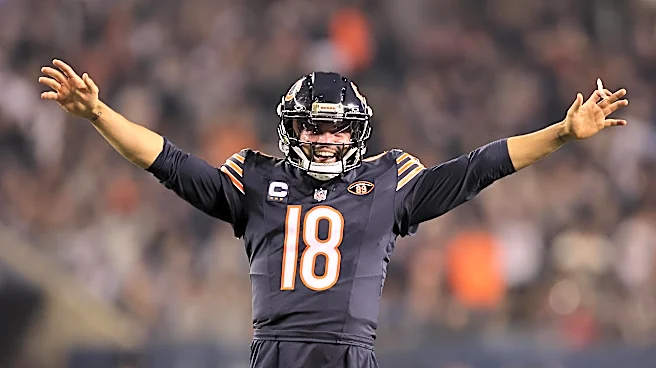
NFL quarterback Caleb Williams has been fined a total of $35,823 by the league for wearing unapproved Caddix cleats during games. The fines, issued in Week 6 ($11,941) and Week 7 ($23,882), were imposed because the cleats' logo was not covered, violating
NFL rules that mandate logos of non-official partners be obscured. Williams stated that he wears Caddix cleats due to their 'SmartStuds' technology, which he claims helps with joint, ankle, and knee health, particularly after a hamstring injury earlier in the year. Caddix CEO Jack Rasmussen has offered to pay Williams' fines, viewing the situation as significant marketing for his company. Rasmussen also acknowledged the NFL's stance on protecting its official sponsors, Nike, Adidas, and Under Armour, who collectively pay between $230 million and $240 million annually for apparel partnerships. While Caddix cleats have passed NFL health and safety testing, the company is not yet an official league partner due to the high cost.
Why It's Important?
This incident highlights a tension between player well-being, personal choice, and the NFL's lucrative sponsorship agreements. For players like Caleb Williams, the ability to choose equipment that potentially reduces injury risk is paramount, even if it means incurring fines. The situation also underscores the power of grassroots marketing, as Caddix has gained significant exposure and increased sales from the controversy, effectively turning a penalty into a promotional opportunity. The NFL's strict enforcement of its sponsorship rules, while financially beneficial for the league and its partners, can create friction with players who prioritize health benefits from non-partnered brands. This scenario could prompt further discussions within the league regarding player equipment choices and the balance between commercial interests and athlete welfare.
What's Next?
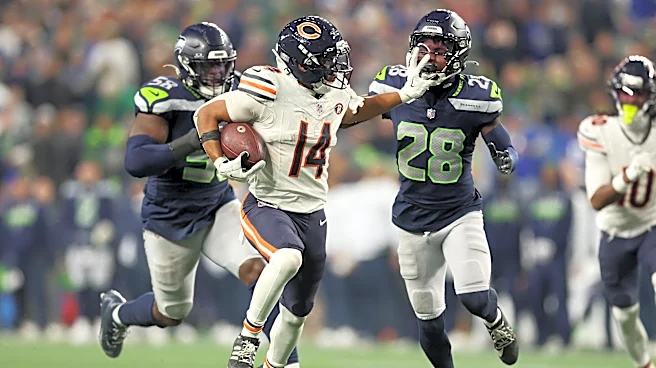
Caleb Williams has reportedly compromised by continuing to wear his preferred Caddix cleats but covering the logos, as seen in a recent game against Seattle. This action allows him to maintain his joint health benefits while adhering to NFL regulations, avoiding further fines. Caddix CEO Jack Rasmussen has expressed a long-term goal of becoming an official NFL partner, though he acknowledges the substantial financial commitment required. The increased visibility and sales generated by this incident may accelerate Caddix's growth, potentially enabling them to pursue official partnership status in the future. The NFL may face continued scrutiny over its equipment policies, especially if more players publicly advocate for non-partnered brands that offer perceived health advantages.
Beyond the Headlines
The controversy surrounding Caleb Williams' cleats delves into the broader ethical and economic implications of professional sports. It raises questions about whether leagues should prioritize player health and safety innovations over exclusive sponsorship deals. The 'David-and-Goliath' narrative of a startup like Caddix challenging established giants like Nike and Adidas resonates with consumers and athletes alike, suggesting a potential shift in how product endorsements and player choices are perceived. This event could set a precedent for how emerging sports technology companies gain traction and how leagues manage the intersection of athlete welfare, technological advancement, and corporate partnerships in the future. It also highlights the power of individual athletes to influence market trends and challenge established norms within highly commercialized sports leagues.