










What's Happening?
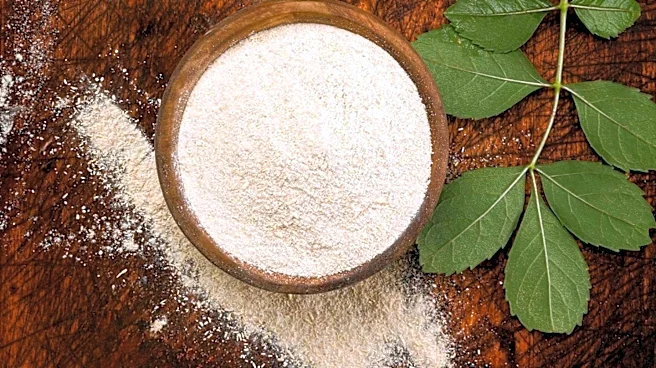
Ashwagandha, a plant used in traditional Indian medicine, is gaining attention in the U.S. for its potential benefits in managing anxiety and stress. Known scientifically as Withania somnifera, this evergreen shrub has been used medicinally for thousands
of years. The supplement form of ashwagandha is often referred to as an adaptogen, believed to help the body and mind manage stress. Recent studies, including a 2026 phase III clinical trial, have shown promising results in reducing anxiety and stress among participants. However, the research is still in its early stages, with many studies having small sample sizes or potential biases. Despite these limitations, ashwagandha is being marketed for its potential to boost mood, enhance sleep, and improve energy levels.
Why It's Important?
The growing interest in ashwagandha supplements reflects a broader trend towards natural and alternative treatments for mental health issues in the U.S. With increasing awareness and diagnosis of anxiety disorders, many individuals are seeking non-pharmaceutical options to manage their symptoms. Ashwagandha's potential benefits could offer a complementary approach to traditional treatments, potentially reducing reliance on medications with more severe side effects. However, the lack of extensive research and regulation poses challenges, as consumers must navigate claims made by supplement companies. The potential interactions with medications and the need for more comprehensive studies highlight the importance of consulting healthcare professionals before use.
What's Next?
Further research is needed to establish the efficacy and safety of ashwagandha supplements, particularly in long-term use. As interest grows, more clinical trials with larger sample sizes and rigorous methodologies are likely to be conducted. Regulatory bodies may also increase scrutiny on supplement claims, ensuring consumer protection. Healthcare providers and dietitians will play a crucial role in guiding patients on the safe use of ashwagandha, considering potential interactions with other medications. The supplement industry may see increased demand for products verified by third-party organizations, providing consumers with more confidence in their choices.
Beyond the Headlines
The rise of ashwagandha supplements highlights a cultural shift towards holistic wellness and the integration of traditional medicine into modern healthcare practices. This trend may influence the development of new products and therapies that combine ancient wisdom with contemporary science. Ethical considerations around the sourcing and sustainability of ashwagandha, primarily grown in India, Africa, and the Middle East, may also come to the forefront as demand increases. The conversation around mental health and natural remedies is likely to expand, encouraging more open discussions and reducing stigma associated with mental health issues.