







What's Happening?
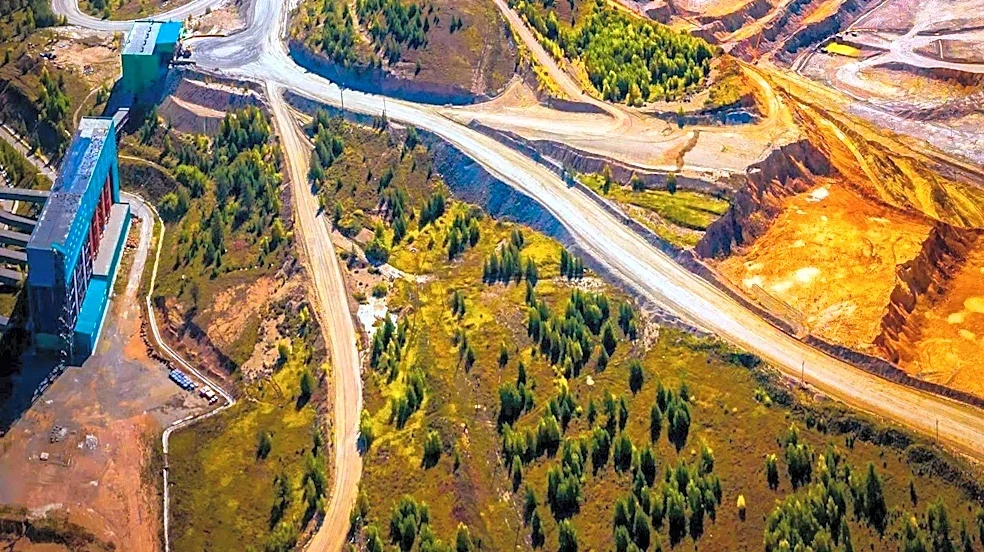
Brazil's Supreme Federal Court has temporarily suspended the installation license for Belo Sun Mining's $300 million Volta Grande gold project in Pará state. Supreme Court Justice Edson Fachin issued the ruling, citing uncertainty regarding the proper
assessment of the project's potential effects on nearby Indigenous communities. The decision postpones work on what could become Brazil's largest open-pit gold mine and prolongs legal uncertainty for the Canadian company. The suspension will remain in effect until a settlement between Belo Sun and Brazil's National Foundation of Indigenous Peoples (Funai) receives judicial approval. The dispute stems from a civil lawsuit filed by federal prosecutors in 2014, seeking to void the project's preliminary environmental license and halt licensing until a comprehensive Indigenous Component Study, meeting Funai's requirements, was completed.
Why It's Important?
This ruling underscores the growing legal and social challenges faced by large-scale mining projects in regions with significant Indigenous populations and environmental sensitivities. The suspension highlights the Brazilian judiciary's increasing scrutiny of environmental licensing processes, particularly concerning the rights and well-being of Indigenous communities. For Belo Sun Mining, the decision means continued delays and increased costs, impacting investor confidence and the project's overall viability. More broadly, it sets a precedent for future development projects in Brazil, emphasizing the need for thorough and culturally sensitive impact assessments and genuine consultation with affected communities. The case also reflects the ongoing tension between economic development and environmental protection, particularly in the Amazon region, where cumulative environmental pressures from projects like the Belo Monte hydroelectric dam are already a concern.
What's Next?
The immediate next step involves the judicial approval of the settlement between Belo Sun and Funai. Belo Sun CEO Clovis Torres expressed confidence in securing an agreement that satisfies all stakeholders, noting substantial progress in talks. However, the court's decision ensures that no physical interventions at the project site will occur until this approval is granted. The ruling also suggests that future legal challenges could arise if the settlement is deemed insufficient or if new concerns emerge regarding the project's environmental or social impacts. The case will continue to be closely watched by other mining companies, environmental organizations, and Indigenous rights advocates, as its outcome could influence the regulatory landscape for resource extraction in Brazil and potentially other countries with similar challenges.
Beyond the Headlines
The Volta Grande project's ongoing legal battles reveal deeper societal and ethical considerations surrounding resource extraction in ecologically sensitive areas. The involvement of international figures like Leonardo DiCaprio, who urged the suspension of the permitting process, highlights the global attention on the Amazon's fate and the rights of its Indigenous inhabitants. This case is not merely about a gold mine; it represents a broader struggle over land rights, cultural preservation, and the definition of sustainable development. It forces a confrontation with the question of who benefits from such projects and who bears the costs, often disproportionately falling on marginalized communities. The legal uncertainty surrounding Volta Grande reflects a shifting paradigm where environmental and social governance (ESG) factors are becoming increasingly critical for project approval and long-term success, challenging traditional models of resource exploitation.