

What's Happening?
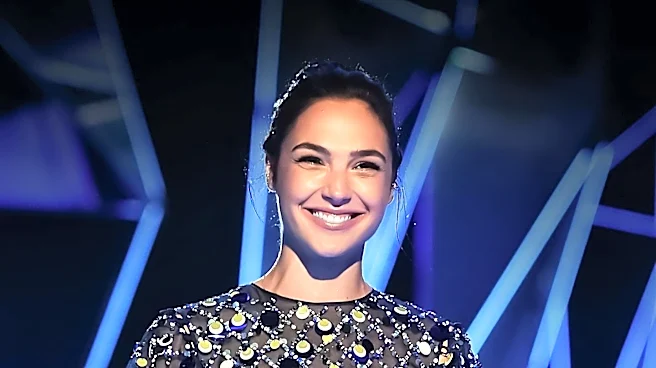
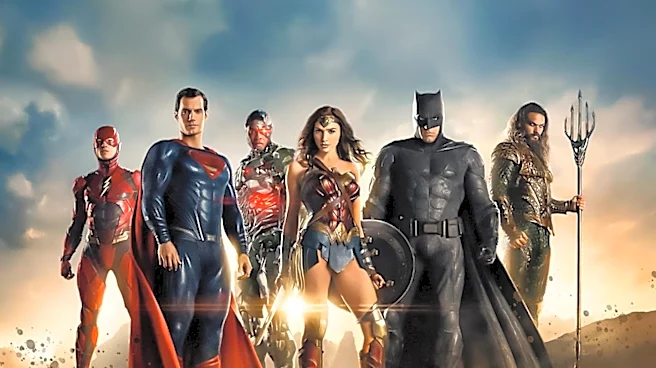
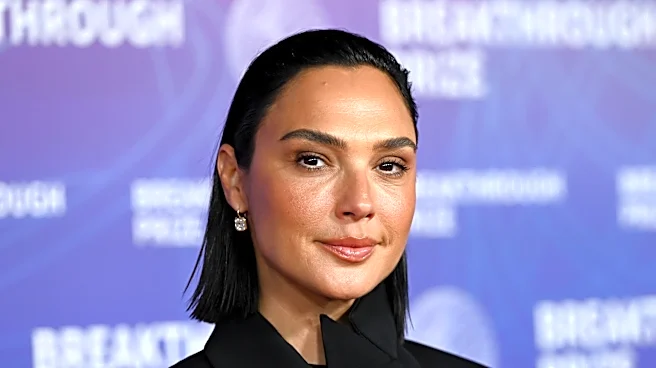
Gal Gadot, known for her role as Wonder Woman, has publicly stated that the cancellation of 'Wonder Woman 3' and Henry Cavill's exit as Superman were not handled elegantly by DC Studios. Gadot revealed that James Gunn and Peter Safran, the new heads of DC Studios,
initially led her to believe that a third Wonder Woman film would be developed with her. She recounted conversations where she was explicitly told, 'We’re going to develop it with you. The third [movie].' This contradicts later reports from sources close to the situation in 2023, which indicated that 'Wonder Woman 3' was not in development and no promises had been made to Gadot regarding a sequel. The planned third film, which Patty Jenkins was developing, was abandoned in December 2022 after Warner Bros. leadership rejected Jenkins’ treatment. Gadot also noted the similar abruptness in Henry Cavill's departure as Superman, despite his return in a post-credits scene of 'Black Adam' in October 2022, which had created expectations for his continued role. David Corenswet has since been cast as the new Superman in James Gunn's upcoming film.
Why It's Important?
This situation highlights the significant challenges and often abrupt transitions within major film franchises, particularly during leadership changes and creative reboots. For the entertainment industry, it underscores the potential for miscommunication or shifting priorities between studio executives and talent, which can impact actor morale and public perception. The handling of these high-profile exits can influence how other actors and filmmakers view working with the studio in the future. For fans, the lack of a clear and consistent narrative regarding beloved characters like Wonder Woman and Superman can lead to frustration and a sense of disconnect from the franchise. The decision to reboot the DC Universe with new actors, such as David Corenswet as Superman, signifies a major strategic shift for DC Studios, aiming to establish a cohesive new direction. This move could either revitalize the franchise or alienate existing fan bases, depending on its execution and the perceived respect for the legacy characters and actors.
What's Next?
The DC Universe is moving forward with a new creative direction under James Gunn and Peter Safran, with David Corenswet taking on the role of Superman in an upcoming film. This signifies a clear break from the previous iteration of the DC Extended Universe. While Gal Gadot has expressed understanding of the need for new creative direction, her comments suggest that a return to the role of Wonder Woman may not be in her immediate future, partly due to personal and family commitments. The studio will likely focus on establishing its new slate of films and television series, aiming to build a more unified and successful cinematic universe. The public and critical reception of the new 'Superman' film will be crucial in determining the success of this reboot and the future trajectory of the DC franchise. Further statements or actions from DC Studios regarding the handling of past talent transitions could also emerge as they continue to shape their public image and future collaborations.
Beyond the Headlines
The narrative surrounding the departures of Gal Gadot and Henry Cavill from their iconic superhero roles delves into broader themes of creative control, corporate restructuring, and the human element within large-scale entertainment productions. It raises questions about the ethical responsibilities of studios towards their talent, especially when significant changes in direction occur. The 'not elegantly handled' comment suggests a lack of transparency or consideration, which can erode trust within the industry. Furthermore, Gadot's mention of her family responsibilities as a factor in potentially not returning to the demanding role of Wonder Woman highlights the evolving landscape for female leads in Hollywood, balancing career with personal life. This situation also reflects the inherent tension between artistic vision and commercial viability in franchise filmmaking, where studio decisions often prioritize long-term strategic goals over individual character arcs or actor commitments. The public discourse around these changes often becomes a barometer for fan engagement and the perceived integrity of the creative process.