





What's Happening?
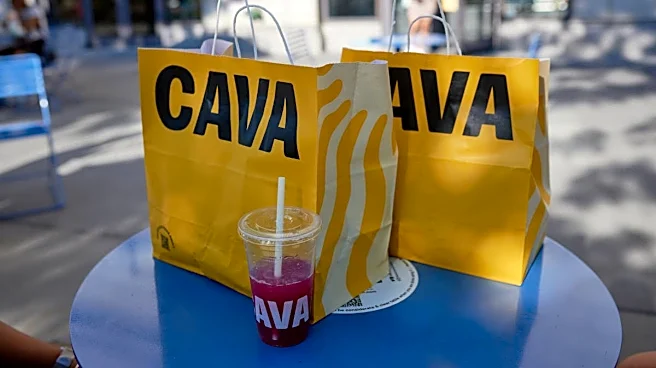
Restaurants, including national brands, regional chains, and independent locations, are increasingly implementing and enhancing loyalty programs to foster customer engagement. Unlike the more standardized loyalty schemes seen in airlines, hotels, and banking,
dining loyalty programs exhibit significant variation, with individual programs innovating to attract a broader customer base. This approach allows them to differentiate themselves rather than conforming to industry norms, which often benefits customers. Even when programs undergo devaluations, such as Starbucks' Star Rewards, they often still provide tangible benefits like free drinks. Beyond traditional points systems, many restaurants offer birthday perks, sometimes even without requiring prior loyalty, and credit card issuers are integrating more dining-related benefits into their products, such as Amex's Resy and Uber Eats options or Chase's DoorDash partnerships. The ability to stack various savings methods, including discounted gift cards and elite status within restaurant programs, further enhances customer value.
Why It's Important?
The innovation in dining loyalty programs is significant for the U.S. restaurant industry as it represents a strategic shift towards personalized customer retention in a competitive market. By offering diverse and unique rewards, restaurants can cultivate stronger brand loyalty and encourage repeat business, which is crucial for sustained growth. This trend also impacts credit card companies, as they increasingly integrate dining benefits to attract and retain cardholders, thereby influencing consumer spending habits. For consumers, these varied programs offer substantial opportunities for savings on everyday expenses, making dining out more accessible and rewarding. The emphasis on innovation over devaluation, as noted in the source, suggests a healthier competitive landscape compared to other loyalty sectors, potentially leading to more valuable and customer-centric offerings across the industry. The ability to combine multiple saving strategies empowers consumers to maximize their benefits, fostering a more engaged and value-conscious customer base.
What's Next?
The trend of innovating dining loyalty programs is expected to continue, with restaurants likely exploring more personalized and AI-driven strategies to enhance customer experiences. As payment providers expand their AI capabilities and loyalty solutions, there will be increased integration between restaurant loyalty programs and financial services, offering more seamless and tailored rewards. Consumers can anticipate a wider array of unique benefits and stacking opportunities as programs continue to differentiate themselves. The focus on direct customer relationships and personalized experiences will likely intensify, driven by the evolving landscape of AI-powered shopping assistants and changing consumer expectations. This could lead to more dynamic reward structures, exclusive member-only events, and deeper integration with other lifestyle benefits, further solidifying customer engagement and brand loyalty in the dining sector.
Beyond the Headlines
The evolution of dining loyalty programs reflects a broader shift in consumer behavior and market dynamics, highlighting the increasing importance of experiential value and personalized engagement. Beyond mere discounts, these programs tap into psychological aspects of loyalty, making customers feel valued and recognized, which can foster a deeper emotional connection to a brand. The competitive innovation in this sector, as opposed to a 'race to the bottom' seen in some travel programs, suggests a more sustainable model for customer retention. This approach could influence other industries to rethink their loyalty strategies, moving towards more creative and customer-centric models. Furthermore, the integration of credit card benefits and discounted gift cards into these programs blurs the lines between financial services and retail, creating a complex ecosystem where consumers can strategically optimize their spending and rewards across various platforms, ultimately reshaping how value is perceived and exchanged in the modern economy.