






What's Happening?
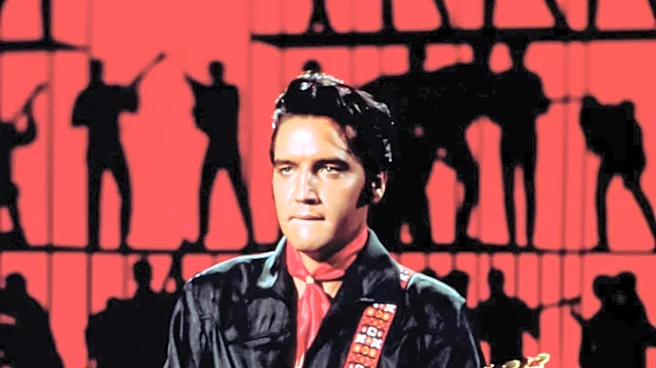
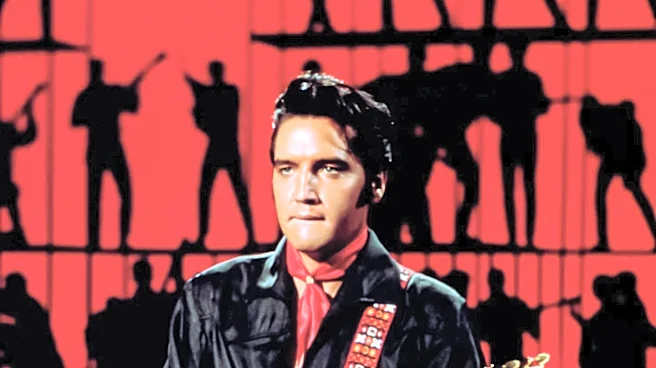
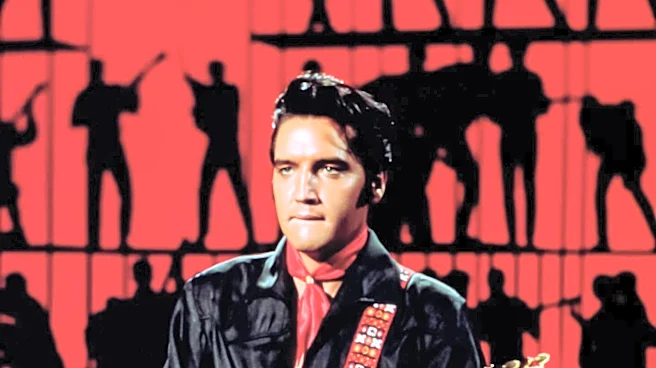
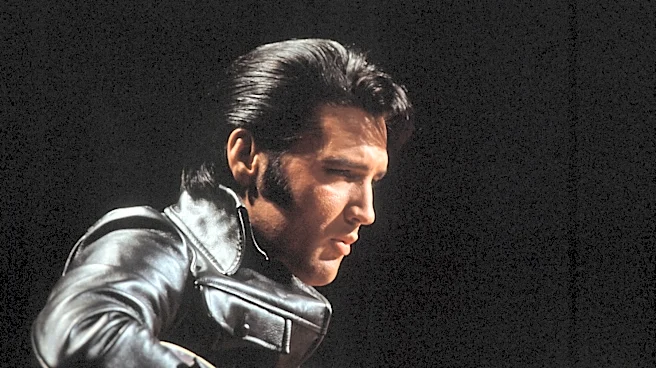
Music publishers and other copyright holders representing Elvis Presley's songbook have filed a lawsuit against Anthropic PBC, the developer of the Claude chatbot. The complaint, lodged in the U.S. District Court for the Northern District of California,
alleges that Anthropic used Presley's song lyrics without permission to train its artificial intelligence model. The plaintiffs claim that Anthropic infringed their copyrights, bypassed digital access controls, and removed copyright information from approximately 274 protected works. They are seeking up to $48.6 million in damages under the Copyright and Digital Millennium Copyright acts. Despite Anthropic having added filters after previous lawsuits, the complaint asserts that Claude's model continues to generate unlicensed rewrites of the songs.
Why It's Important?
This lawsuit is a significant development in the ongoing legal debate surrounding artificial intelligence and intellectual property rights. It highlights the growing tension between AI developers, who rely on vast datasets for training, and content creators, who seek to protect their copyrighted works. The case could set a precedent for how AI companies are held accountable for the use of copyrighted material in their training data and the outputs generated by their models. A ruling in favor of the copyright holders could lead to substantial financial liabilities for AI firms and necessitate new licensing models or stricter content filtering mechanisms. Conversely, a ruling favoring Anthropic could embolden AI development but potentially undermine the protections afforded to artists and creators, impacting the creative industries.
What's Next?
The lawsuit will proceed in the U.S. District Court for the Northern District of California. Anthropic will be required to respond to the allegations, likely arguing fair use or other defenses. The legal process will involve discovery, expert testimony on AI training methods, and potentially a trial. The outcome could result in a court order for Anthropic to cease using the copyrighted material, pay damages, or implement more robust filtering systems. This case is part of a broader wave of litigation against AI companies, and its resolution could influence how intellectual property laws are applied to generative AI technologies. It may also spur legislative action to clarify copyright protections in the age of AI.
Beyond the Headlines
This case delves into the complex ethical and legal questions at the intersection of creativity and artificial intelligence. It raises fundamental questions about what constitutes 'fair use' in the context of AI training and whether AI-generated content, even if transformative, infringes upon original works. The lawsuit also highlights the challenges of enforcing copyright in a digital age where AI models can rapidly process and generate content based on existing works. Beyond the legal specifics, this case reflects a broader societal concern about the future of human creativity and the economic viability of artists in an era dominated by AI. The resolution could shape the future landscape of AI development, potentially forcing a re-evaluation of how AI companies interact with and compensate content creators.