







What's Happening?
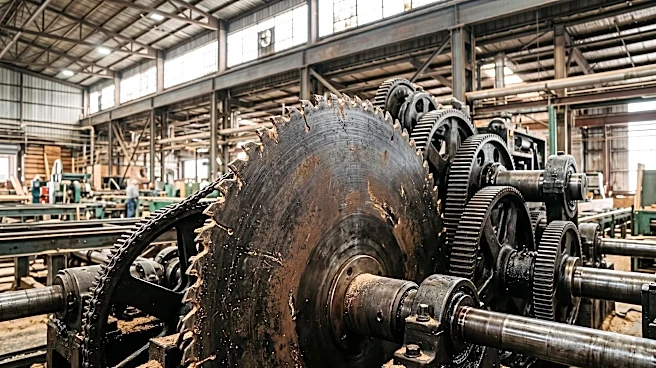
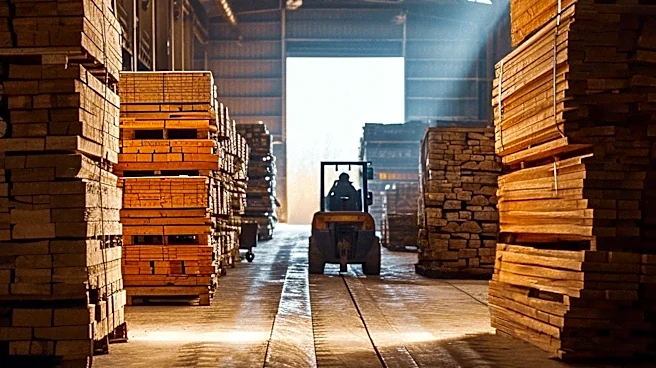
A Canadian coalition comprising local managers, unionized workers, and First Nations groups is actively pursuing the acquisition of RYAM’s Témiscaming mill located in Quebec. The primary objective of this initiative is to safeguard regional employment
and industrial expertise within the forestry sector. The coalition aims to determine the necessary steps to restart the mill's operations, which are crucial for the local economy. Unifor National President Lana Payne has expressed strong support for this locally rooted Canadian ownership, emphasizing its importance for the community. Quebec Director Daniel Cloutier further highlighted the mill's significance to forestry processing, its suppliers, and the skilled workforce. Local 233 President Stéphane Lefebvre stressed the value of workers' knowledge in developing a viable restart plan. This proposed acquisition is currently under discussion and has not yet been finalized.
Why It's Important?
This effort to acquire RYAM’s Témiscaming mill is significant for several reasons, particularly concerning regional economic stability and labor interests in Canada. The coalition's focus on protecting local jobs and industrial expertise underscores the critical role such facilities play in the economic fabric of their communities. The involvement of unionized workers and First Nations groups highlights a collaborative approach to economic development that prioritizes local stakeholders. The historical context of the mill, which was successfully reopened in 1973 under the Tembec name after a previous closure, demonstrates the potential for community-led initiatives to revive industrial operations. For the U.S., while directly impacting Canada, such efforts can serve as a case study for community and labor-led initiatives to preserve industrial capacity and employment in sectors facing economic challenges, potentially influencing cross-border labor and trade discussions.
What's Next?
The coalition is expected to release further details as discussions regarding the acquisition and restart plan for RYAM’s Témiscaming mill progress. The success of this initiative will depend on the feasibility of the proposed restart plan and the ability of the diverse coalition members to secure the necessary funding and operational agreements. The involvement of Unifor, representing approximately 320,000 workers across Canada, including 55,000 in Quebec, indicates strong labor backing, which will be a crucial factor in negotiations and future operations. The outcome of these discussions will determine the future of the mill and its impact on regional employment and the forestry industry in Quebec. This situation will be closely watched by other communities and labor organizations facing similar industrial closures, as it could set a precedent for community-driven economic revitalization.
Beyond the Headlines
Beyond the immediate economic implications, this coalition's attempt to acquire and restart the Témiscaming mill touches upon deeper themes of community resilience, local control over industrial assets, and the evolving role of labor unions and Indigenous communities in economic development. The historical precedent of the mill's reopening in 1973, driven by workers and community members, suggests a strong local identity and commitment to the facility. This initiative challenges traditional models of corporate ownership and decision-making, advocating for a more inclusive and community-centric approach. It also highlights the increasing recognition of First Nations' interests in resource-based industries and their potential to contribute to sustainable economic solutions. The success or failure of this endeavor could influence policy discussions around industrial heritage, regional development, and the empowerment of local stakeholders in economic transitions, potentially inspiring similar movements in other regions facing industrial decline.