



What's Happening?
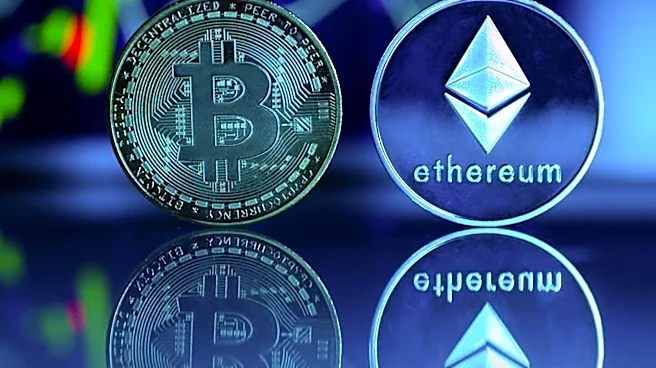
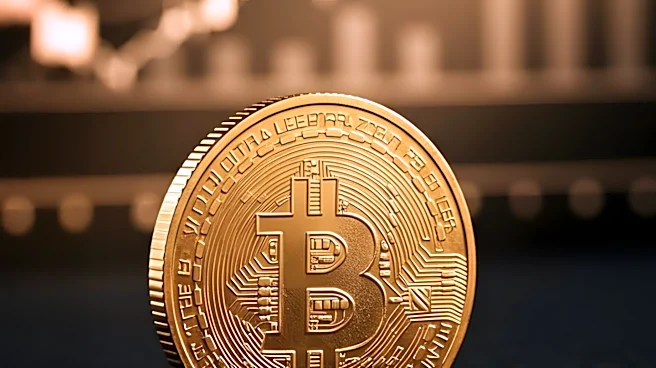
Cash App, a popular payment application, has broadened its cryptocurrency support beyond its long-standing Bitcoin-first strategy. In May 2026, the platform rolled out support for USD Coin (USDC). Furthermore, an August 2026 partnership with MoonPay has enabled
Cash App users to access and purchase additional tokens, including Ethereum and Solana. While Cash App's native crypto infrastructure remains focused on Bitcoin, these new integrations signify a move towards offering a more diverse range of digital assets to its user base. The platform operates as a custodial service, meaning it controls the private keys for users' cryptocurrencies, requiring identity verification for withdrawals to external wallets. Users can buy, sell, and hold Bitcoin and USDC directly, with other altcoins available through the MoonPay partnership.
Why It's Important?
This expansion by Cash App is significant for the broader adoption and accessibility of cryptocurrencies in the U.S. By integrating USDC and popular altcoins like Ethereum and Solana, Cash App is making these digital assets available to its large user base, many of whom may be new to the crypto space. This move could increase mainstream engagement with a wider variety of cryptocurrencies beyond just Bitcoin, potentially driving demand and liquidity for these assets. For users, it offers increased convenience by allowing them to manage a more diverse crypto portfolio within a familiar application, reducing the need for separate dedicated crypto exchanges. However, the custodial nature of Cash App means users do not control their private keys, which carries implications for security and autonomy, contrasting with non-custodial wallet options.
What's Next?
The introduction of USDC and altcoin access through MoonPay suggests Cash App may continue to explore further integrations and expand its cryptocurrency offerings. Users can expect to see continued efforts to simplify the process of buying and selling these new assets within the app. However, the platform's custodial model and fee structure, which includes a spread built into the displayed price rather than itemized, may prompt some users to consider dedicated crypto exchanges for greater transparency, lower fees, or full control over their private keys. Future developments might include enhanced features for these new cryptocurrencies or clearer fee disclosures, potentially in response to user feedback or competitive pressures in the evolving crypto market.
Beyond the Headlines
Cash App's strategic shift from a strictly Bitcoin-first approach to including USDC and other altcoins reflects a growing trend in the financial technology sector to cater to increasing consumer interest in a broader range of digital assets. This move could normalize the ownership of various cryptocurrencies for millions of users, potentially influencing how traditional financial services perceive and integrate digital assets. The custodial nature of Cash App's crypto holdings also highlights an ongoing debate within the crypto community regarding user control versus ease of use. While custodial services offer simplicity and security for many, they also centralize control, which runs counter to the decentralized ethos of much of the cryptocurrency movement. This balance between accessibility and self-custody will likely remain a critical discussion point as crypto adoption grows.