



What's Happening?
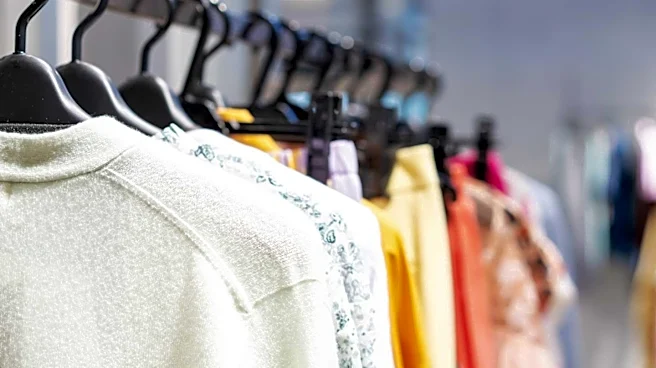
The fashion industry is confronting significant challenges related to textile waste and the pursuit of sustainability. According to the European Environment Agency, the European Union alone generated approximately 6.94 million tonnes of textile waste in 2022,
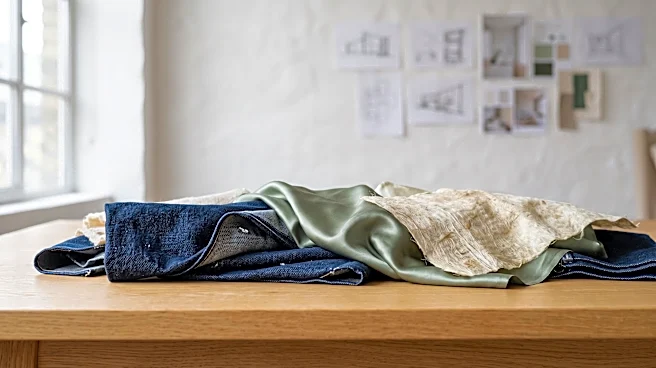
equating to about 16 kilograms per person. This figure encompasses both clothing and other textiles, highlighting the vast scale of discarded materials. The issue of waste extends beyond post-consumer disposal, beginning much earlier in the production cycle with fabric discarded during cutting, samples that never become garments, and large quantities of clothing manufactured without a guaranteed market. The industry's current model often prioritizes abundance and constant newness, contributing to this substantial waste. Efforts to address this include working with existing materials, such as deadstock and surplus fabrics, and exploring innovative design techniques like engineered knitwear to minimize cutting waste. The focus is shifting towards a more mindful approach to garment creation and consumption.
Why It's Important?
The immense volume of textile waste has profound environmental and economic implications for the U.S. and globally. Environmentally, landfills are burdened with non-biodegradable synthetic fibers and chemically treated natural fabrics, leading to soil and water pollution. The production of new textiles also consumes vast amounts of resources, including water, energy, and raw materials, contributing to carbon emissions and resource depletion. Economically, the 'fast fashion' model, which encourages rapid consumption and disposal, creates a cycle of low-cost, low-quality goods that can undermine sustainable practices and fair labor. For U.S. consumers, this means a constant pressure to buy new items, often at the expense of durability and ethical production. Businesses that fail to adapt to more sustainable practices risk facing increasing regulatory scrutiny, consumer backlash, and potential financial penalties. Conversely, companies embracing sustainability can gain a competitive advantage, attract environmentally conscious consumers, and contribute to a more circular economy.
What's Next?
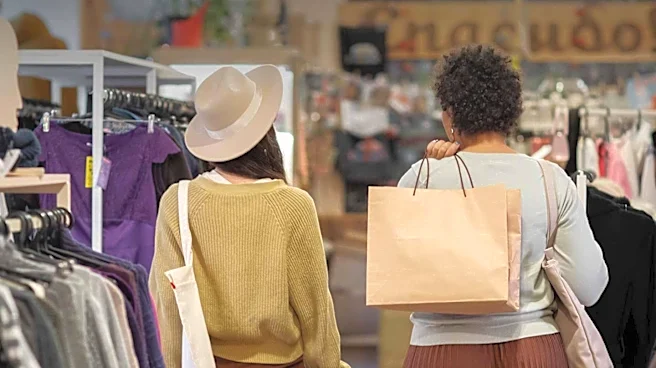
The future of the fashion industry will likely see continued innovation in sustainable practices and materials. This includes further development of plant-based alternatives to traditional materials, increased adoption of circular design principles, and greater emphasis on repairing, customizing, and upcycling existing garments. Regulatory bodies, similar to the EU's Ecodesign for Sustainable Products Regulation, may introduce more stringent rules to curb waste, such as banning the incineration of unsold clothes. Consumers are expected to play a crucial role by demanding more transparent and ethical production processes, and by extending the lifespan of their clothing through care, repair, and donation. Educational initiatives, like university workshops on sustainable fashion, will become more prevalent to foster a new generation of designers and consumers who prioritize environmental responsibility. The industry will also need to balance creative expression with the imperative to reduce its ecological footprint.
Beyond the Headlines
Beyond the immediate concerns of waste reduction, the sustainable fashion movement touches upon deeper ethical and cultural dimensions. It challenges the prevailing consumerist culture that equates newness with value and encourages disposable consumption. The shift towards valuing existing materials and craftsmanship can foster a renewed appreciation for the artistry and labor involved in garment creation. Ethically, it prompts questions about the true cost of cheap clothing, including the environmental impact and the working conditions of those in the supply chain. Culturally, it could lead to a redefinition of fashion itself, moving away from fleeting trends towards timeless, durable pieces that can be cherished and maintained. This evolution could also empower consumers to become more active participants in their clothing's lifecycle, transforming them from passive buyers into conscious curators of their wardrobes, thereby fostering a more personal and meaningful relationship with what they wear.