



What's Happening?
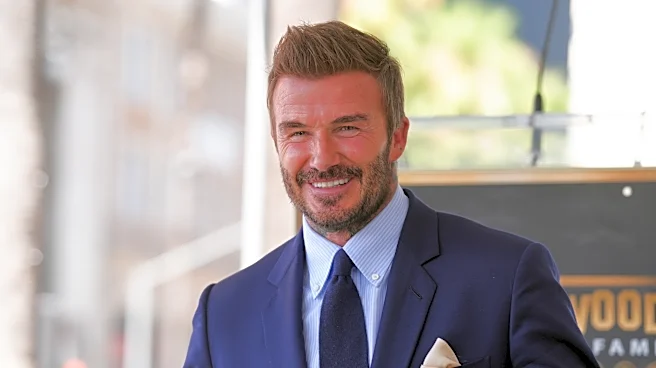
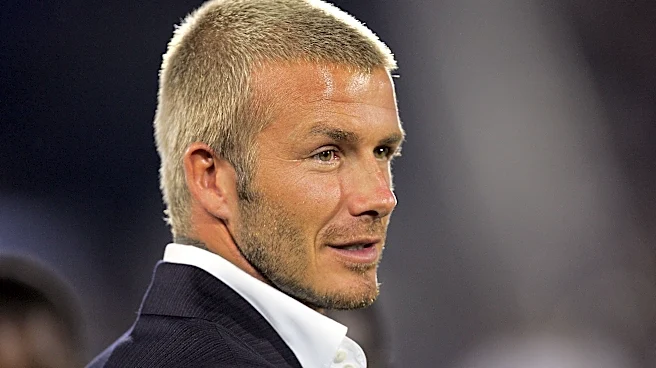
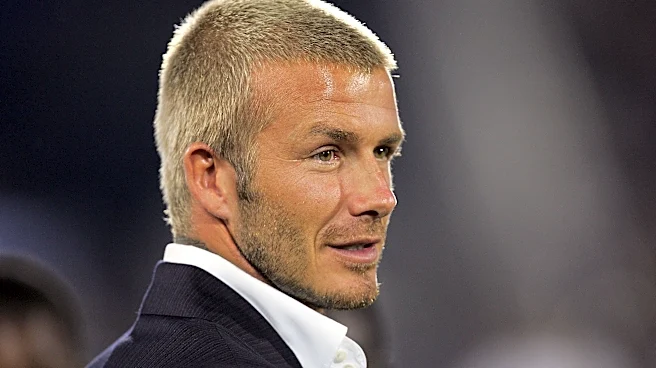
DB Ventures, the commercial investment company of David Beckham, has filed a lawsuit in the New York Supreme Court against German beauty group Coty. The lawsuit seeks $41 million in damages, alleging that Coty, the distributor of David Beckham's luxury
fragrance brand products, allowed these products to be sold at unauthorized retailers. Specifically, DB Ventures discovered its fragrances, including the Classic and Instinct lines and the eau de toilette Intimately and Exquisite Leather, being sold in a gas station's sale section and at the British discount store Poundland. The court filing emphasizes David Beckham's brand as synonymous with 'excellence and refinement,' and expresses 'shock and dismay' at finding the products in such outlets, which DB Ventures claims associates the brand with 'cheap, discount products.' Coty has requested the lawsuit's dismissal, arguing that New York courts lack jurisdiction and suggesting that DB Ventures is attempting to prematurely exit its contract to transfer it to another firm.
Why It's Important?
This lawsuit highlights the critical importance of brand control and intellectual property protection for high-profile individuals and their associated businesses. For David Beckham, whose brand is meticulously cultivated and valued at an estimated 1.2 billion pounds (CAD$2.25 billion) with his wife Victoria Beckham, the unauthorized distribution undermines the luxury image and perceived value of his fragrance lines. The sale of these products in discount stores and gas stations could dilute the brand's exclusivity and appeal, potentially leading to a loss of consumer trust and market positioning. This case also underscores the complexities of licensing agreements and the need for stringent clauses to safeguard brand integrity. For Coty, a major beauty group, the lawsuit could damage its reputation as a reliable distributor and lead to significant financial penalties if DB Ventures prevails, impacting its relationships with other celebrity and luxury brands.
What's Next?
The legal proceedings will continue in the New York Supreme Court, with Coty's motion to dismiss the lawsuit based on jurisdiction being a key initial point of contention. If the court determines it has jurisdiction, the case will proceed to address the allegations of breach of licensing agreement and the requested $41 million in damages. The outcome could set a precedent for how celebrity brand licensing agreements are enforced and the responsibilities of distributors in maintaining brand image. Both parties will likely present evidence regarding the terms of their agreement and the impact of the alleged unauthorized sales. The resolution of this case will be closely watched by other high-profile individuals and companies involved in similar licensing deals, as it could influence future contract negotiations and brand protection strategies.
Beyond the Headlines
Beyond the immediate financial and legal implications, this case touches upon the broader phenomenon of brand dilution in the age of mass distribution. For celebrity brands, maintaining an aura of exclusivity and quality is paramount to their commercial success. The perceived 'cheapening' of a luxury product through its retail environment can have long-lasting effects on consumer perception, far beyond the direct financial losses from discounted sales. This incident also raises questions about the due diligence performed by distributors and the effectiveness of contractual safeguards in preventing such occurrences. It underscores the constant tension between expanding market reach and preserving brand prestige, a challenge faced by many luxury and celebrity-backed ventures in a globalized marketplace. The case could prompt a re-evaluation of distribution channels and brand protection strategies across the industry.