





What's Happening?
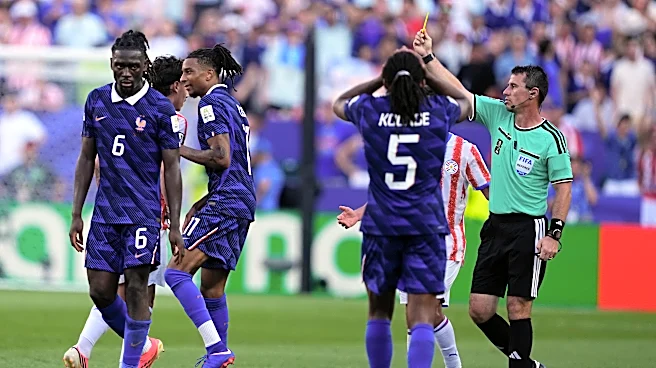
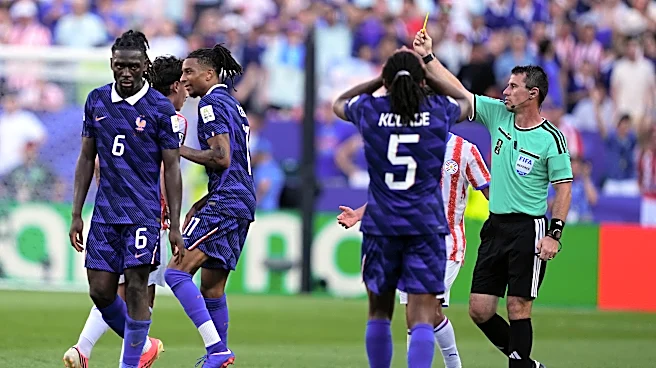
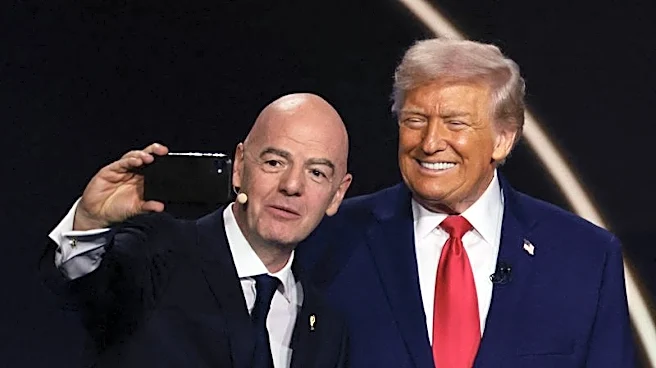
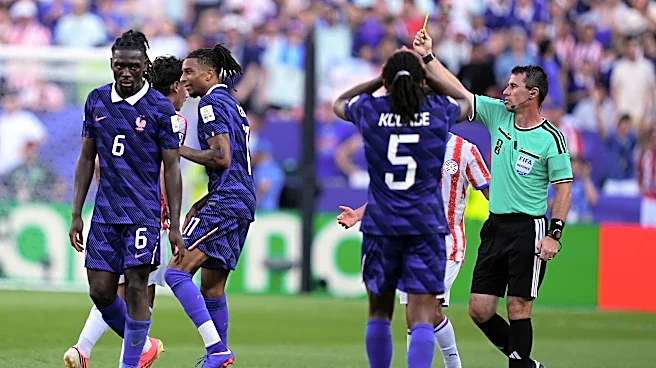
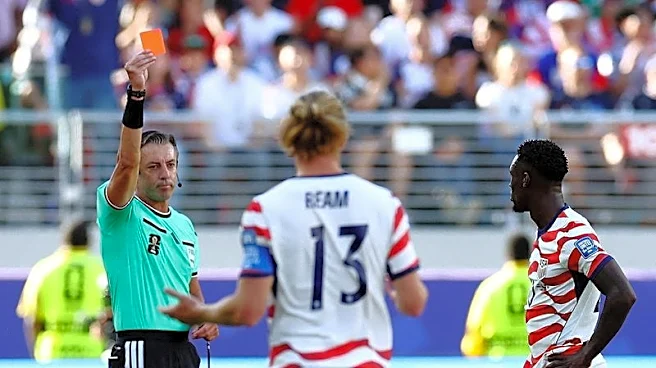
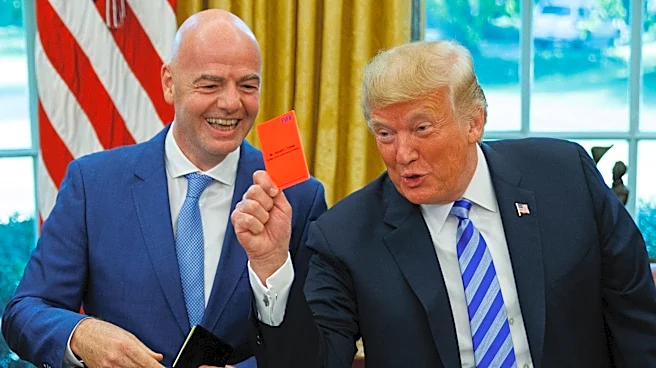
FIFA's decision to allow U.S. striker Folarin Balogun to play in a World Cup match despite a red card has sparked controversy. President Trump reportedly intervened with FIFA President Gianni Infantino, leading to the lifting of Balogun's suspension.
This move has been criticized as political interference, undermining FIFA's integrity. UEFA condemned the decision, and Belgium challenged the ruling. The incident reflects a broader trend where institutions face pressure to accommodate political power, raising concerns about their independence and legitimacy.
Why It's Important?
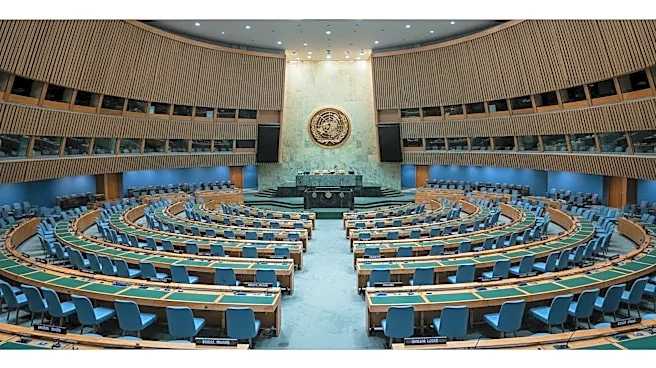
The controversy surrounding FIFA's decision underscores the challenges institutions face in maintaining independence amid political pressure. This incident is part of a larger pattern where institutions, including courts and regulatory bodies, are perceived as bending rules under political influence. Such actions can erode public trust and the credibility of these institutions. The situation highlights the need for clear boundaries between politics and institutional governance to ensure fairness and integrity in decision-making processes.
Beyond the Headlines
The FIFA incident raises questions about the role of political influence in international sports and other institutions. It highlights the potential for political leaders to leverage their power to achieve favorable outcomes, which can compromise the principles of fairness and equality. This trend could lead to a gradual erosion of institutional integrity, where rules become negotiable under political pressure. The long-term implications could include diminished public confidence in institutions and challenges in upholding democratic principles.