



What's Happening?
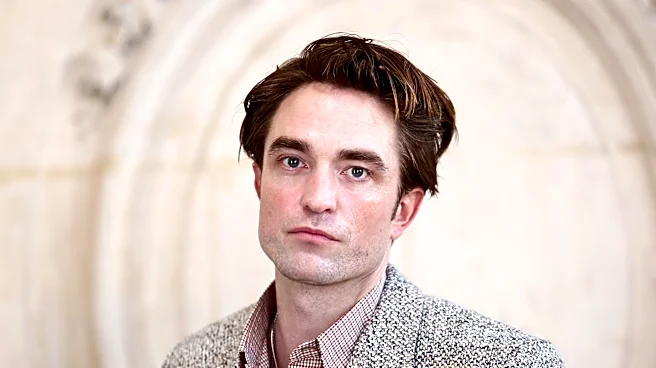
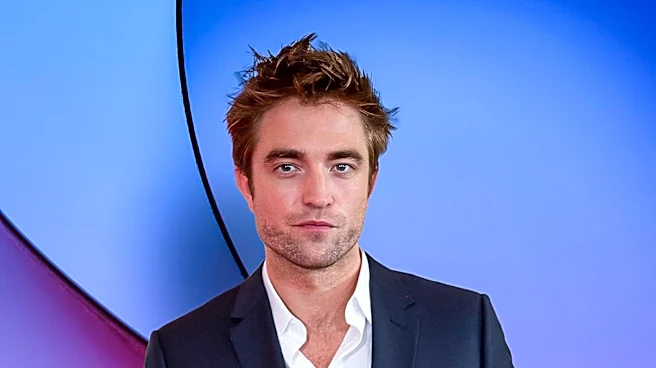
Robert Pattinson has been cast as the new James Bond, a decision that has generated significant discussion within Hollywood and among audiences. The announcement has led to a mixed reaction, with some expressing surprise and others using the opportunity
to critique what they perceive as a trend of studios repeatedly casting the same group of A-list actors. Initial online commentary quickly shifted from Pattinson's suitability for the role to satirical speculation about other frequently cast stars, such as Zendaya, Florence Pugh, Dakota Johnson, Pedro Pascal, and Dwayne Johnson, potentially joining the franchise. This reaction highlights a broader sentiment among viewers that major studio productions often rely on a limited pool of recognizable talent, leading to a sense of predictability in casting choices. Despite the humor, the conversation also reflects genuine intrigue about the direction of the Bond franchise and the potential for fresh faces.
Why It's Important?
This casting decision and the subsequent public reaction underscore a significant tension in the contemporary entertainment industry. While Robert Pattinson is a respected actor with a proven range, the immediate pivot to jokes about other ubiquitous stars reveals a growing audience fatigue with perceived casting predictability. This sentiment could influence future studio strategies, potentially encouraging them to take more risks on emerging talent rather than consistently relying on established names. The debate also highlights the power of fan engagement and social media in shaping narratives around major film franchises. For Hollywood, understanding this audience sentiment is crucial for maintaining viewer interest and ensuring the long-term appeal of tentpole productions. The discussion around Pattinson's casting, therefore, serves as a barometer for audience expectations regarding originality and diversity in casting.
What's Next?
The immediate next step for the James Bond franchise will be the announcement of the rest of the cast, particularly the Bond girls and villains. The ongoing public discussion suggests that audiences will be closely scrutinizing these choices, hoping for unexpected selections rather than a continuation of the perceived trend of casting familiar faces. If the studio opts for more established, frequently cast actors, it could intensify the existing criticism regarding Hollywood's reliance on a narrow talent pool. Conversely, introducing fresh or less ubiquitous talent could be met with positive reception, potentially signaling a shift in casting strategies for major franchises. The performance of Pattinson in the role, and the overall reception of the new Bond film, will ultimately determine the success of this casting decision and could influence future franchise directions.
Beyond the Headlines
Beyond the immediate casting news, this situation touches upon deeper issues within the film industry concerning creative risk-taking versus commercial viability. Studios often gravitate towards established stars due to their proven box-office draw, which is seen as a safer investment for high-budget productions. However, the public's reaction to Pattinson's casting, particularly the satirical commentary on repetitive casting, suggests that this strategy may be leading to audience disengagement rather than guaranteed success. This could prompt a re-evaluation of casting models, encouraging studios to balance star power with the introduction of new talent to maintain freshness and audience interest. The debate also reflects a broader cultural conversation about representation and the desire for more diverse and unexpected choices in mainstream media, pushing the industry to consider both artistic merit and audience perception more holistically.